
The Financial Times has reported that Prime Minister Sir Keir Starmer is in final negotiations with ministers over plans to raise defence investment, funded in part through reductions to capital budgets across Whitehall. A 1% cut in infrastructure-related spending could raise around £6bn by 2030, with the transport and energy departments expected to face deeper reductions than most.
The Times has reported that Transport Secretary Heidi Alexander has resisted larger cuts, citing concerns over infrastructure.
The government has not confirmed which projects, if any, would be delayed or scaled back.
The timing is linked to the government’s Defence Investment Plan, which is expected to be published before the NATO summit on 7 July. Starmer confirmed on 5 June that UK defence spending would rise to 2.6% of GDP — what he described as the largest sustained increase since the Cold War.
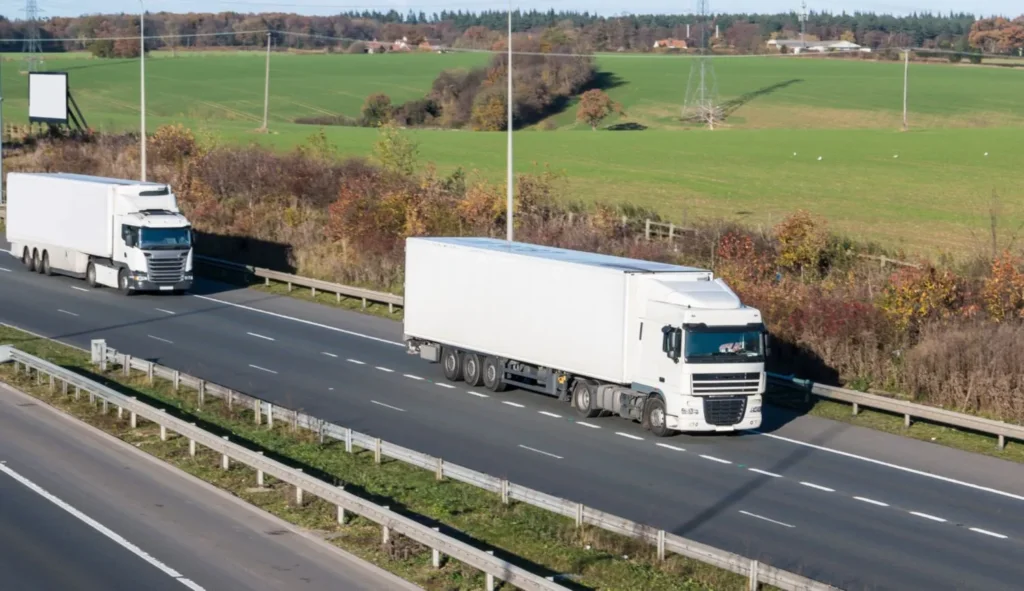
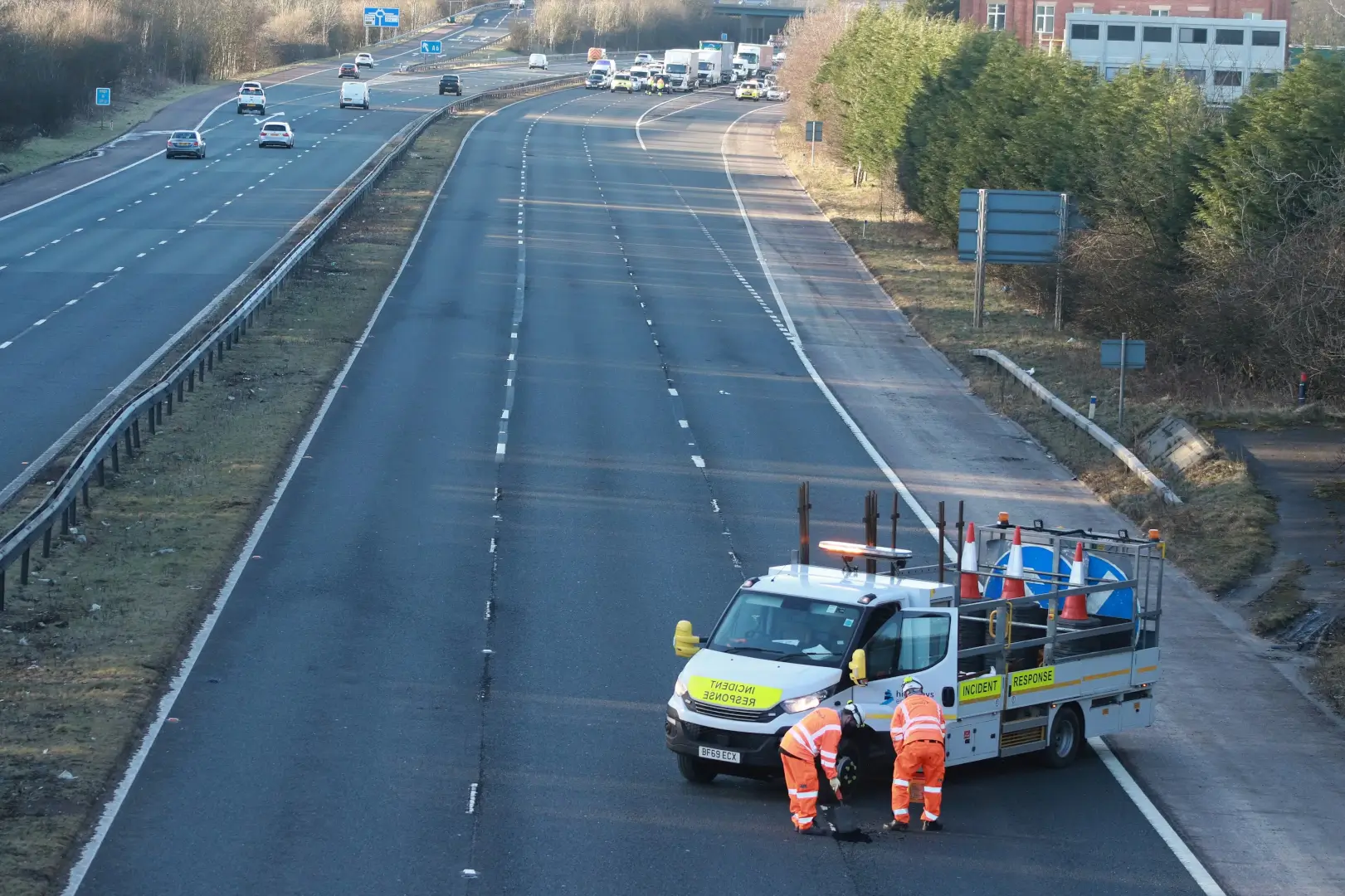
What does this mean for road freight? Any reduction in capital spending could increase pressure on roads, rail links, port access and freight-related infrastructure at a time when the sector is already contending with congestion, rising costs and decarbonisation requirements.
Logistics UK has warned that framing the decision as a choice between defence and transport investment misunderstands the role infrastructure plays in national security.
“Both defence and transport infrastructure are fundamental to the UK’s security and economic strength, and it would be a mistake to frame budget allocation decisions as a simple choice between the two,” said chief executive Ben Fletcher.
He added:
“The transport networks that underpin businesses, communities and public services are the same networks that are critical for the defence industries to be able to increase production, and the country will need for moving resources during any future mobilisation.”