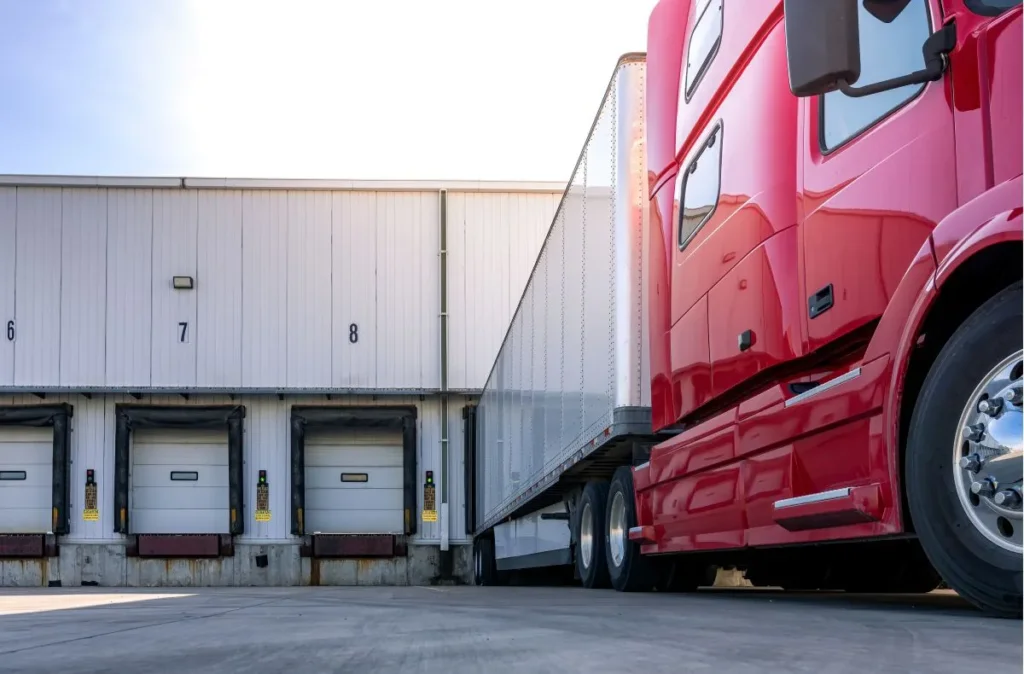
- In France, a cyberattack affected network-connected refrigeration systems in hundreds of stores operated by several major retailers. In some locations, temperatures reportedly climbed as high as 50°C, causing food to spoil and, in some cases, triggering fires.
- Intermarché reported problems at around 150 stores. Coopérative U confirmed on 13 October 2026 that 80 of its roughly 2,000 locations had been affected.
- Ahold Delhaize confirmed a cybersecurity incident in its network on 12 October 2026 and said that some systems had been shut down as a precaution. The disruption affected Albert Heijn in the Netherlands and Delhaize’s services in Belgium.
- Albert Heijn also took logistics systems offline and suspended online grocery deliveries until further notice.
- Both incidents show how quickly digital disruption can affect the physical flow of goods, from lost inventory to problems receiving and delivering products. There is no confirmation that the incidents in France and at Ahold Delhaize are connected.
In France, the attack directly affected refrigeration infrastructure inside stores. According to Reuters, hackers raised the temperature in refrigerators and freezers across hundreds of supermarkets, in some cases to as high as 50°C. The result was food spoilage and fires involving refrigeration equipment.
The affected retailers included Intermarché, Coopérative U, Carrefour and Monoprix. Intermarché said that around 150 stores had experienced problems, while Coopérative U reported an incident at 80 locations out of approximately 2,000 stores in its network.
For grocery logistics, this creates a particularly difficult operational problem. When a store can no longer safely hold chilled or frozen products, the issue goes far beyond a technical fault. The location may temporarily lose the ability to receive temperature-controlled deliveries safely.
That can force carriers and retailers to revise schedules, redirect shipments or pause transport until the infrastructure is operational again.
The biggest challenge: fresh goods cannot wait
For shelf-stable products, a delivery can often be postponed by several hours or even a few days. The margin for error is much smaller in the cold chain.
Meat, dairy products, fresh fruit and vegetables, and frozen food all require specific temperature conditions during transport and storage. If a store cannot safely accept a shipment, teams may need to decide quickly whether to change the delivery destination, place the goods in temporary storage or determine what to do with a vehicle already on the road.
The load may need to be redirected to another warehouse, store or distribution centre. With short-life products, every additional hour reduces the number of workable options.
The French incident therefore demonstrates that a cyberattack can disrupt the cold chain without targeting trucks or transport management systems. Losing control of infrastructure at the receiving point may be enough.
At Albert Heijn, the disruption hit the logistics flow itself
The Ahold Delhaize incident followed a different path. On 12 October 2026, the group confirmed a security problem within its network and said that some systems had been shut down as part of its protective response. Its physical stores remained open.
At Albert Heijn, however, logistics systems were also taken offline. As a result, the retailer suspended online grocery deliveries until further notice. Its websites, apps and customer-service channels were also unavailable.
This illustrates another supply-chain vulnerability. The goods may be available, the warehouse may be operating, and trucks and drivers may be ready, but if the systems cannot process orders, routes, goods receipts or dispatches, the operation can still come to a standstill.
Dutch media reported that operations at some Albert Heijn distribution centres had been disrupted and that product availability could vary between stores. Fresh goods appeared to face the greatest risk. These details came from media reports and were not included in Ahold Delhaize’s official statement.
One outcome, two critical failure points
The incidents differ technically, but they create a similar supply-chain problem: physical goods can no longer move normally even though the disruption starts in the digital environment. In France, the weak point was in-store refrigeration infrastructure. At Albert Heijn, the affected systems were those used to run the logistics operation.
For carriers and logistics providers, this means that business-continuity planning must cover much more than vehicle breakdowns, driver shortages or warehouse closures.
Key questions now include whether deliveries can be replanned without access to core IT systems, whether alternative unloading locations are available and how long fresh goods can remain in transit if the receiver loses the ability to accept them.
Restoring systems may trigger a second wave of disruption
Getting systems back online does not necessarily mean an immediate return to normal operations. If deliveries have been held, rescheduled or cancelled, backlogged orders may coincide with current orders once operations resume.
For grocery logistics, that could overload loading bays, warehouses and distribution fleets. It may also require retailers to prioritise product categories. For fresh goods, remaining shelf life and temperature requirements could help determine which shipments are handled first.
This remains a potential consequence. Neither Ahold Delhaize nor the French retailers has yet provided a complete picture of how the incidents affected subsequent logistics operations.
Cybersecurity is becoming a transport operations issue
A few years ago, a cyber incident affecting a retailer might have been viewed mainly as an IT, e-commerce or data-protection problem. In the transport and logistics sector, cyber incidents are becoming increasingly common, and their effects are reaching beyond the digital environment into day-to-day physical operations.
Digital systems now control temperature, inventory, orders, delivery windows, routes, goods receipts and dispatches. Disrupting any one of these functions can quickly leave trucks waiting without a place to unload, create unused delivery slots or leave goods that can no longer be safely placed on sale.
For transport and logistics companies, cyber resilience is therefore not only about protecting data. It is also about keeping the physical flow of goods moving.