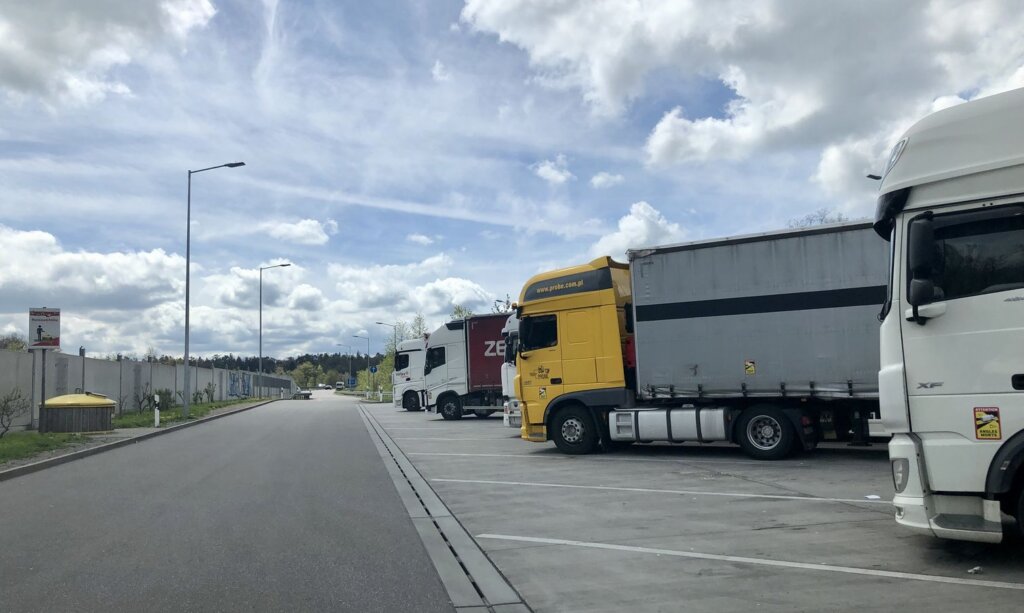
The Dutch House of Representatives approved the so-called Flach motion on Thursday, following a debate on high energy and fuel costs. The motion calls on the government to lower the truck toll tariff “as soon as possible”, according to the Dutch Parliament’s published motion text.
The new truck toll is scheduled to start on 1 July 2026 and will apply to lorries using motorways and selected provincial and municipal roads. The charge will be calculated per kilometre, using on-board equipment fitted to the vehicle.
Transport association TLN welcomed the vote, saying it provides political support for lowering costs for transport companies facing high fuel and energy prices and liquidity pressure. However, TLN stressed that the toll’s launch date has not changed.
“The introduction on 1 July will go ahead,” TLN said, adding that it is not yet known when the reduction will apply or how large it will be.
Read more: Unions win power to push up Dutch fines
Cut approved, but details still missing
The vote means the tariff cut now has parliamentary backing, but the practical details remain open.
According to TTM, the Ministry of Infrastructure and Water Management has said the cabinet will now work out temporary lower rates and examine when they can be introduced. The ministry also clarified that the toll itself will still start on 1 July.
That leaves hauliers in an awkward position. They still need to prepare for the start of the scheme, including contracts with service providers and work on board equipment, but the tariff they will ultimately pay may change shortly before or after the launch.
No delay to 2027
The vote also caused confusion because MPs backed a separate motion to postpone the truck toll until 1 January 2027. However, TTM reports that the government has interpreted that vote in the context of the tariff reduction rather than as an actual delay to the scheme.
In practical terms, the message from the ministry and TLN is clear: operators should still prepare for the Dutch truck toll to begin on 1 July 2026.
TLN wants relief for all hauliers
TLN says any reduction should apply to all liable trucks and all transport companies, without exceptions. The association also wants the so-called terugsluis mechanism to remain intact, meaning revenues from the toll should continue to flow back into the sector.
The issue is sensitive because lower toll rates would ease short-term cost pressure but could also reduce the funding available for sector investments, including sustainability measures. TTM reports that evofenedex has warned that cutting tariffs could put money for innovation and cleaner transport under pressure.