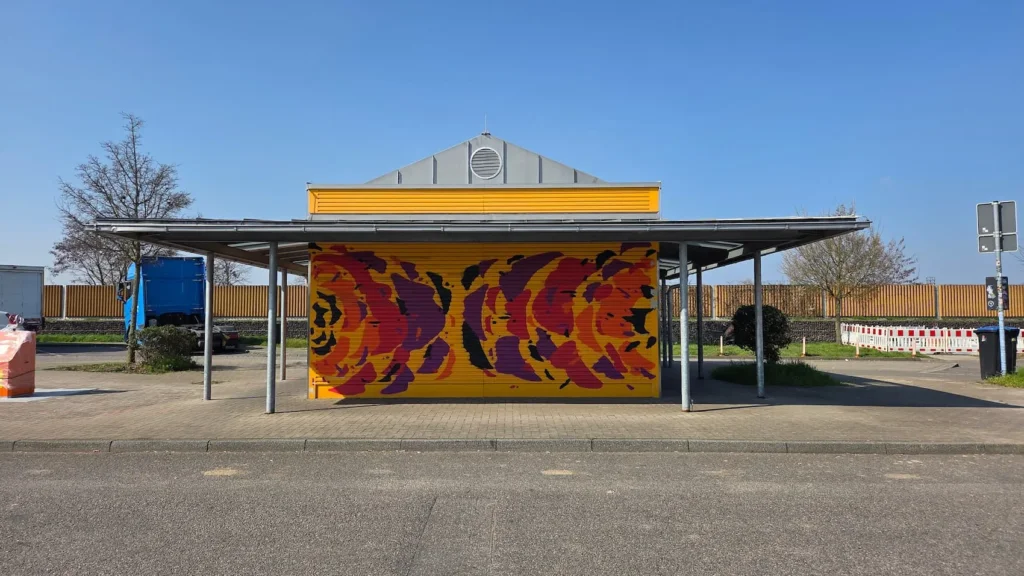
Drivers have long complained about the condition of some service areas on Germany’s motorways. A recent inspection by ADAC suggests the problem is widespread, with the harshest ratings given to sanitary facilities at sites without fuel stations or food outlets.
Autobahn GmbH, the state-owned company that has managed Germany’s motorways since 2021, says many facilities are outdated and require extensive reconstruction. The company estimates that modernisation over the coming years will cost around €500m, with funding expected to come from the federal budget.
100 rest areas flagged for urgent work
In the short term, Autobahn GmbH says roughly 100 motorway rest areas require modernisation. The scope is not limited to sanitary fittings and equipment.
Planned works also cover rest zones as well as traffic routes and parking surfaces within the sites. The operator says many locations are so dated that they require comprehensive upgrades rather than temporary repairs.
Autobahn GmbH said it is taking ADAC’s inspection findings “very seriously”, and that the investment plan reflects the issues identified.
ADAC inspection points to major shortcomings
ADAC checked 50 motorway parking areas that had neither fuel stations nor food services. Nearly half of the sites received a negative overall rating, largely due to the condition of the toilets.
The sanitation results were weaker still. In almost two thirds of cases, ADAC rated the facilities as inadequate or very inadequate.
Inspectors reported issues including closed toilets, missing toilet paper and soap dispensers, and broken hand dryers. Many locations were also criticised for poor cleanliness.
A single standard for new sanitation buildings
As part of the modernisation programme, Autobahn GmbH also wants to standardise new sanitation buildings. For construction and refurbishment, it plans to use a modular building type that can be deployed at motorway rest areas across Germany.
The concept includes enclosed cubicles, insulation and interiors designed to make cleaning easier. The number of cubicles would be adjusted to the size of each site and local traffic volumes.
Autobahn GmbH says the aim is to speed up delivery and reduce disparities between locations in terms of equipment and technical condition.
Implications for truck drivers
The condition of motorway rest areas also affects truck drivers, who must comply with mandatory breaks and rest periods. When sanitary facilities are dirty, unavailable or out of order, working conditions in road transport deteriorate—particularly on long-distance routes.
The planned spending underlines the scale of the backlog. Autobahn GmbH says the €500m is intended primarily to bring existing sites back to an acceptable standard rather than expand the network.
The pace of work will depend on federal budget funding. Autobahn GmbH indicates, however, that modernisation of the 100 most urgent locations is expected to begin first.