



Key takeaways at a glance
- ADAC rated 46% of the unattended motorway rest areas tested as “poor” or “very poor”.
- At 62% of locations, sanitary facilities showed serious shortcomings.
- Not a single rest area achieved a “very good” overall score.
- The ADAC test does not assess the shortage of truck parking spaces. However, the findings still matter to professional drivers because many unattended sites are used for breaks and rest periods.
Nearly one in two sites rated “poor” or “very poor”
ADAC revisited 50 unattended motorway rest areas that had already been assessed in 2022 and inspected them again. This time, the results were noticeably weaker.
Overall, 46% of the locations received a “poor” or “very poor” rating. Meanwhile, the share of rest areas scoring “good” fell sharply, from 40% to 18%. None of the sites achieved the top grade of “very good”.
Compared with 2022, almost two-thirds of the facilities performed worse, while only 8% improved their score.
Toilets remain the biggest weak spot
The most persistent problem, ADAC says, continues to be the condition of the toilets. In this category, 62% of rest areas were graded “poor” or “very poor”.
At six locations, testers recorded a “knock-out” (or “partial knock-out”) result because toilets were fully or partly closed. Common issues included missing toilet paper, broken soap dispensers or hand dryers, and shortcomings in cleanliness and accessibility.
A user survey conducted alongside the inspections points in the same direction: for most travellers, cleanliness is the number one factor at a rest area. Yet 42% of respondents said they were dissatisfied or very dissatisfied with the facilities.
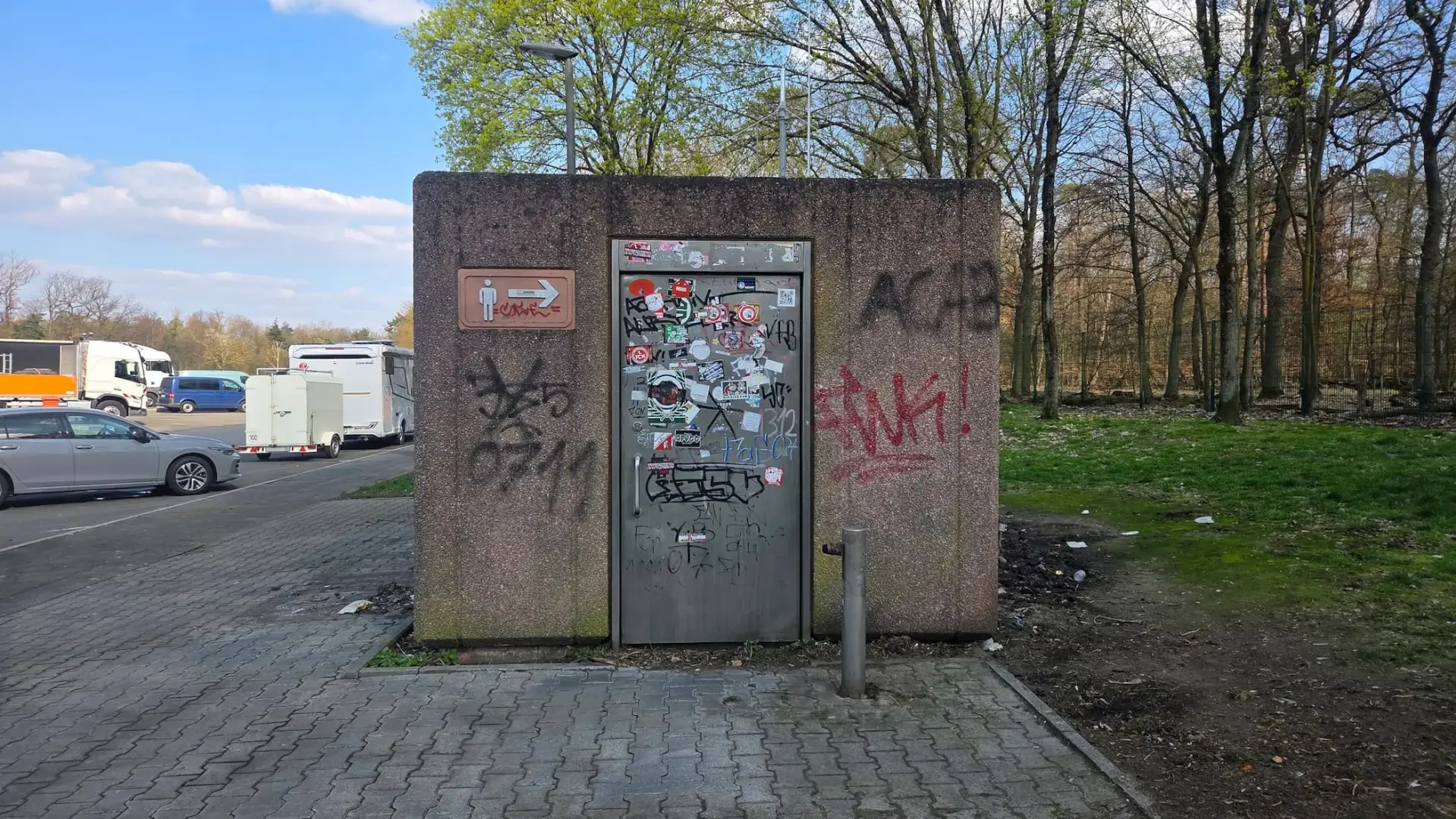
Worst overall result: Stadtwald rest area on the A3 in Hesse. Source: ADAC
Truck parking shortage not assessed – but the findings still affect drivers
In ADAC’s scoring, the best-performing area overall was “traffic and parking”. The main criticism in this category focused on a lack of spaces for cars with trailers, motorhomes and similar vehicle combinations.
The long-running shortage of truck parking spaces, however, was not part of the test.
Even so, the results remain relevant for professional drivers: availability is only part of the problem. At many unattended rest areas, the standard of toilets and the overall level of comfort are often inadequate for longer rest periods.
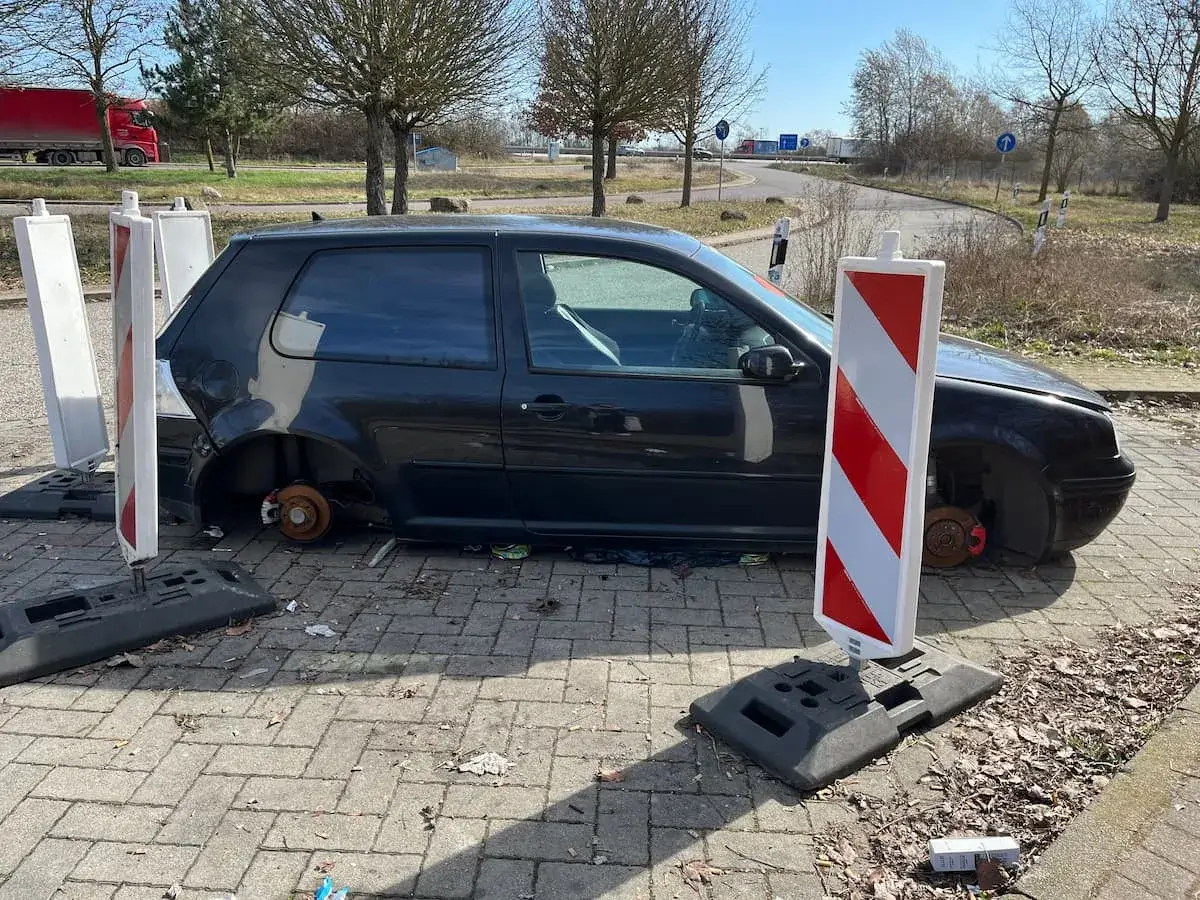
Abandoned vehicle at the Kappelenberg service area (A9, Saxony-Anhalt). Source: ADAC
Rest-area standards are becoming a broader infrastructure issue
Separate from the ADAC test, the DEKRA Road Safety Report 2026 has highlighted the consequences of too few secure truck parking spaces. According to the report, many drivers have to cover extra kilometres searching for a free spot or resort to unsuitable stopping places to comply with driving and rest-time rules, similar to other operational bottlenecks such as 12-hour Dover queues predicted: UK presses France to relax EES checks.
ADAC concludes that unattended rest areas generally still serve their basic purpose, but that there is clear need for action on sanitary facilities, safety and equipment. Responsibility for these sites lies with the regional units of Autobahn GmbH des Bundes.
For road freight, the message is straightforward: alongside the well-known lack of truck parking, the quality of existing rest infrastructure is deteriorating in many places. This not only makes it harder to take legally required breaks properly, but also further undermines working conditions for professional drivers—an issue also reflected in measures such as Romania to fine firms for forcing drivers to load/unload and wider safety-focused rule changes such as Spain rewrites road rules: rescue lanes and wider clearance become mandatory.


