Key points:
- Portsmouth’s border control post cost £23 million, including £17.1 million from the Port Infrastructure Fund.
- It was designed for about 80 trailer checks a day, but averages around two.
- The UK-EU deal on food and agricultural trade is expected to take effect in spring 2028.
- The port and the city council want compensation, and demolition is being considered.
- The Common User Charge for imports through the port is also expected to end.
A £23 million building with little to do
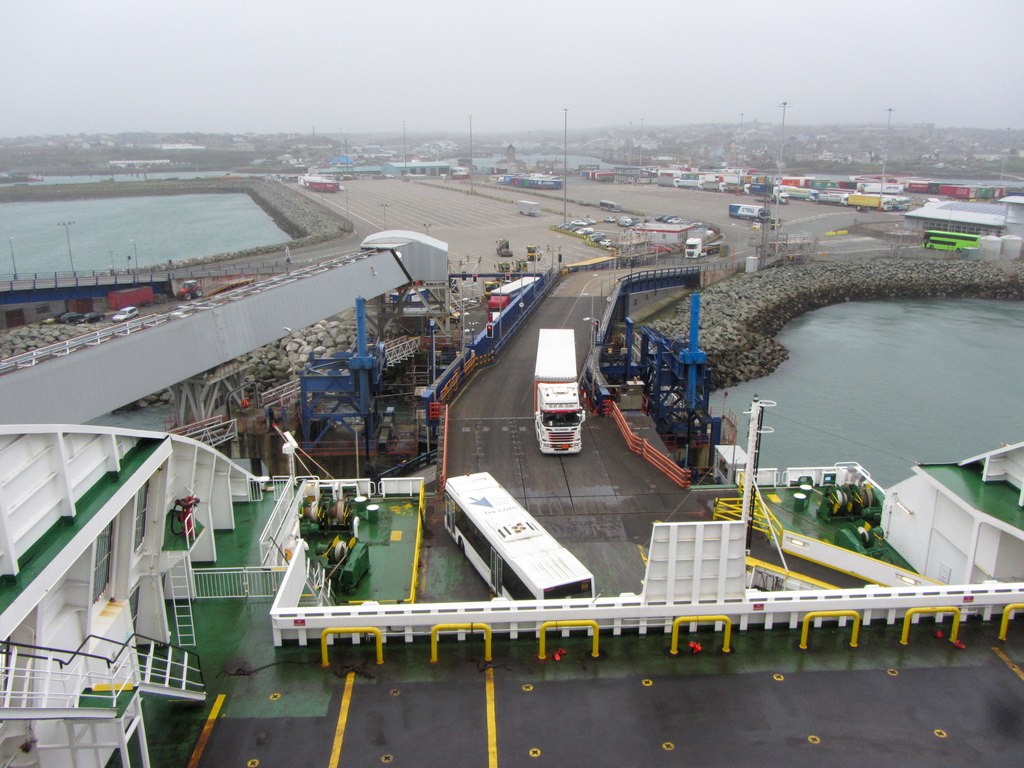
According to the BBC, the border control post (BCP) cost £23 million to build. Portsmouth City Council, which owns the port, put in about £6 million, while £17.1 million came from the government’s Port Infrastructure Fund.
The 4,500 square metre building has 14 loading bays and 17 inspection chambers. It was built in 2021 and planned for around 80 trailer checks a day, based on estimates from the Department for Environment, Food and Rural Affairs (Defra).
However, physical checks on EU imports were postponed several times. A risk-based system started in August 2023, and checks at the port only began on 30 April 2024. Since then, the facility has handled an average of about two checks a day.
“100% we need compensation”
The UK and the EU have agreed a draft deal that aligns UK food and animal standards with the EU’s in exchange for removing most checks and certificates. The port expects that, once it takes effect in spring 2028, the BCP will no longer be needed. The Common User Charge, which importers pay for consignments passing through BCPs, would also end.
“So 100% we need compensation for the amount of money that’s been put into this,” said Mike Sellers, director of Portsmouth International Port.
Steve Pitt, the Liberal Democrat leader of Portsmouth City Council, said the council would seek to recover its financial shortfall. If inspections are no longer needed, “we may have to consider demolishing a building that is less than four years old,” he added.
Too specialised to reuse
According to the port, the building is too specialised to be easily used for something else. It could be repurposed or demolished to free up two acres of operational land, and the port wants government help with either option.
The port says the facility could only be scaled down to seven bays and eight chambers. If it were built today, based on current data, it would have no more than four bays and six chambers.
The government said it was building a “close relationship” with the EU, but did not directly respond to the calls for compensation. More than 40 ports had to build a BCP after Brexit.
What it means for hauliers
For hauliers and importers, the end of SPS checks would mean fewer delays at the border and no Common User Charge. Logistics UK has estimated that the deal could save £150 to £250 per consignment.
Until the agreement takes effect, however, the current rules still apply. Portsmouth is not the only port with an expensive, underused facility. The government has already scaled back plans at other sites, including Sevington, where checks are set to move to ports.