At the same time, long-running cases over the effects of the unlawful price-fixing arrangements involving some of the industry’s biggest groups are still continuing. Further judgments and settlements are emerging, while questions remain over the true scale of the losses suffered by truck buyers.
Court says claims are not time-barred
In a judgment dated 15 April 2026, the Amsterdam court rejected the manufacturers’ limitation defence. It held that, in line with the case law of the Court of Justice of the European Union, the limitation period began to run only on 7 April 2017, the date on which the European Commission’s decision was published.
In practice, this means that actions taken as early as July 2017 interrupted the limitation period. The court also found that the maximum 20-year liability period has not yet expired.
Court points to 7% average overcharge
The court also addressed the scale of the potential damage. On the basis of economic analysis, it concluded that truck buyers may have overpaid by an average of around 7% as a result of the cartel.
At the same time, the court noted that the price-fixing arrangement formally remained in place until 18 January 2011, but that its effects may have continued until 30 May 2013. The final amount of compensation will therefore require further analysis.
Some claims relating to delays in the rollout of emissions technologies were dismissed, however, with the court finding that they had not been substantiated sufficiently.
MAN and Deutsche Bahn end long-running dispute
Alongside this ruling, progress is also being made in individual damages cases. After almost a decade, the dispute between Deutsche Bahn and MAN over the effects of the cartel has come to an end.
The parties reached an out-of-court settlement, although its financial terms remain confidential. Both sides said the outcome was beneficial and had been achieved after years of negotiations.
The case was wide-ranging. The original claims brought by Deutsche Bahn, supported by the Bundeswehr and other entities, exceeded €500 million including interest.
Several manufacturers still face proceedings
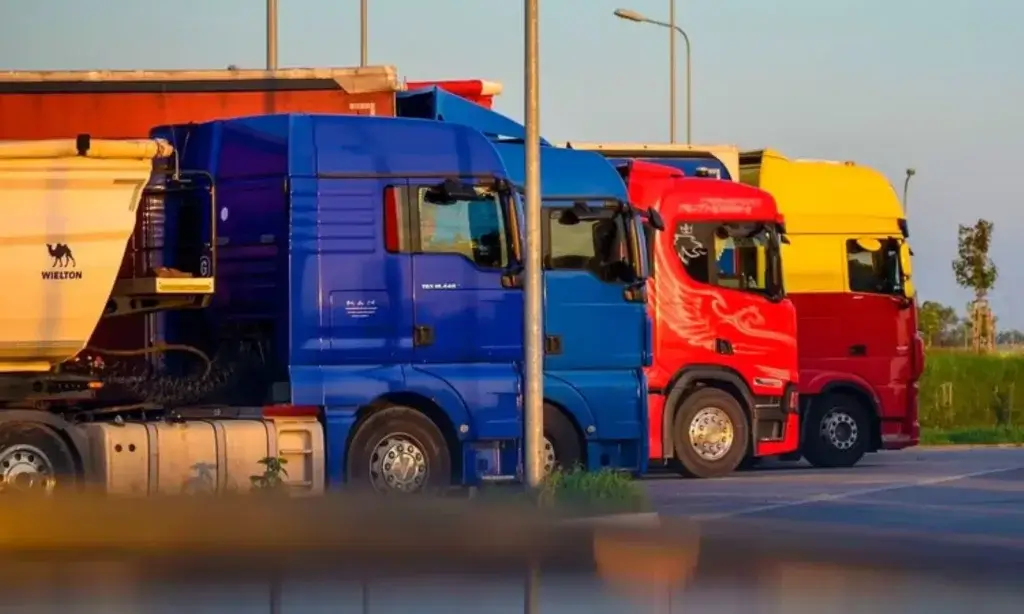
Proceedings linked to the cartel involve several of Europe’s largest truck manufacturers. Alongside MAN and Daimler, the cases also concern Volvo Group, including Renault Trucks, as well as Scania and Iveco.
Earlier settlements were also reached with other manufacturers, including DAF in 2024. In Iveco’s case, proceedings are still ongoing, with claims worth around €70 million still before the court in Munich.
The wider case is far from over
The cartel uncovered by the European Commission in 2016 and 2017 covered price-fixing arrangements dating from 1997 to 2011. The manufacturers were accused not only of coordinating truck prices, but also of agreeing on the timing and passing-on of the costs of new technologies, including emissions-related systems.
The European Commission imposed total fines of around €3.8 billion, making it one of the largest antitrust cases in the history of the sector.
For the transport market, the latest rulings underline one thing: the truck cartel affair is still not closed, and further judgments and settlements are likely to continue shaping claims against manufacturers for years to come.