Volkswagen is apparently looking to tighten its cost-cutting drive significantly. As “Manager Magazin” reports, citing company sources, costs are to fall by 20 percent by the end of 2028. That would correspond to a volume of around 60 billion euros.
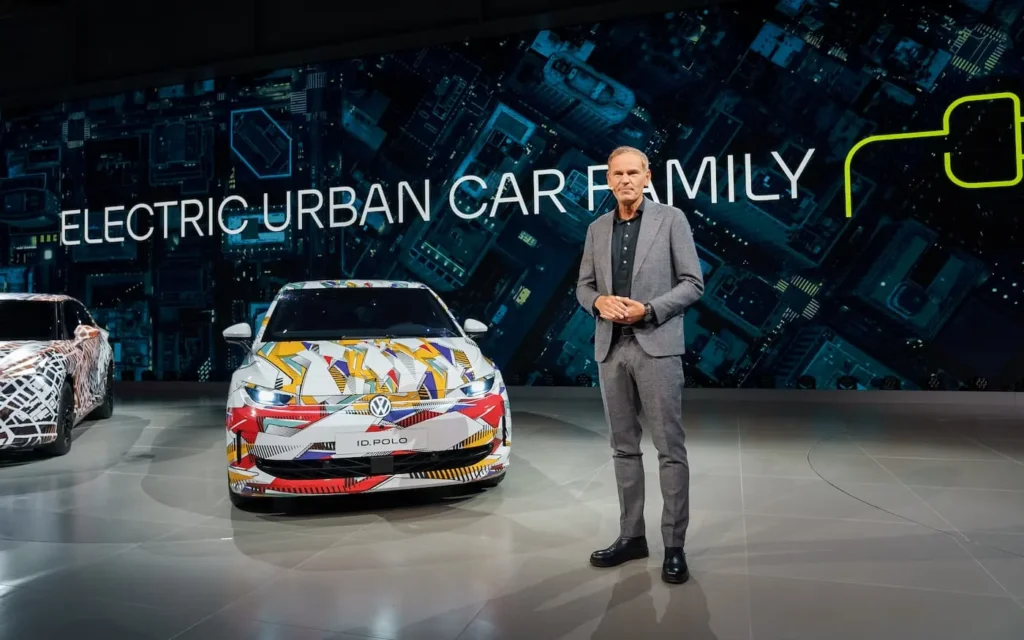
According to the report, CEO Oliver Blume and CFO Arno Antlitz presented the plans to around 120 executives in mid-January. The aim is to noticeably lower the Group’s break-even point. Blume is quoted as saying: “We need to lower the break-even point.” The 20 percent savings target is “the ambition” and applies to all brands and cost categories.
So far, there has been no official confirmation of individual measures. Volkswagen intends to provide an update on the status of its ongoing profitability programmes on 10 March when it presents its 2025 financial statements.
Why the pressure is rising
The Group is currently facing several structural and cyclical pressures:
- declining sales in China;
- intense price competition, particularly from Chinese manufacturers;
- geopolitical uncertainty and US tariff policy;
- high investment in e-mobility and software-based vehicle architectures.
According to the company, savings totalling 33 billion euros have been realised across the Group over the past two years. Nevertheless, the earnings situation remains strained. According to internal statements, the operating margin most recently stood at around three percent—viewed by management as not a sustainable level to finance investments in new technologies from its own resources.
Plant closures back on the agenda?
Whether specific sites could be affected remains officially unclear. According to media reports, plant closures are at least not fundamentally off the table.
The works council responded immediately. “There will be no plant closures with us,” works council chair Daniela Cavallo is quoted as saying. She points to the agreement reached between the company and employee representatives at the end of 2024. It includes reducing employment in Germany by 35,000 by 2030, without compulsory redundancies and without site closures.
This is precisely where the core of the conflict lies: the newly announced cost-cutting drive comes at a time when a socio-political compromise was reached just over a year ago.
The cost-cutting drive has a backstory
As early as 2024, Volkswagen announced a comprehensive restructuring after missing its savings targets. Even then, potential site closures and staff cuts were being discussed. The aim was to save several billion euros and improve profitability.
The 20 per cent reduction now under discussion, therefore, looks less like a change in strategy than another stage in a longer-running consolidation process.
Relocation and restructuring: commercial vehicles also affected
In parallel with the cost debate in the passenger car business, production priorities are shifting within the Group and across the industry.
At Volkswagen Commercial Vehicles, the next generation of the all-electric Crafter is to be produced from 2028 in the Polish city of Września near Poznań. New production halls, a body shop and a battery warehouse are being built there. The plant will be significantly expanded.
At MAN Truck & Bus, a TRATON SE brand in which Volkswagen AG holds a majority stake, production structures are also being realigned. The company is relocating parts of body production from Munich to Kraków. According to internal calculations, the package of measures is expected to improve financial results by up to 935 million euros by 2028. At the same time, the plan is to reduce 2,300 jobs in Germany through natural attrition.
Daimler Truck announced in 2025 that it would cut around 5,000 jobs in Germany by 2030, also without compulsory redundancies. The aim is to reduce the cost base and stabilise profitability.
Industry under structural adjustment pressure
The developments at Volkswagen therefore fit into a broader picture. The passenger car and commercial vehicle industry is under considerable transformation pressure: electrification, software integration, geopolitical uncertainty and intensified global competition are increasing the demands on capital, efficiency and flexibility.
For the transport and logistics sector, these developments are relevant because location decisions and production shifts can have direct impacts on supply chains, transport volumes and regional logistics structures.
More concrete details are likely to emerge on 10 March, when Volkswagen comments on its 2025 financial statements and explains the status of its profitability programmes.