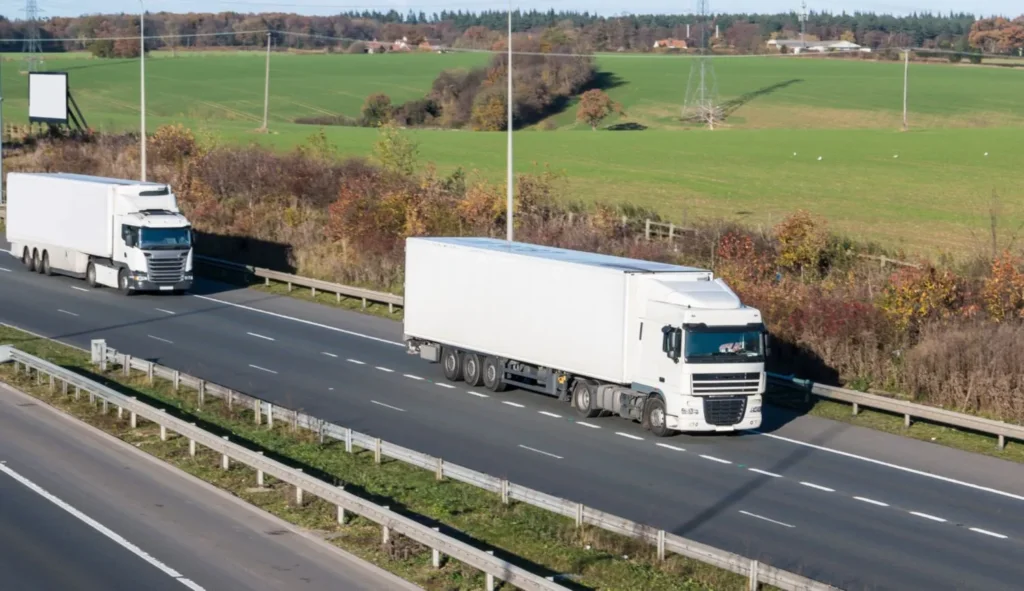
A Frontex official has warned that the EU’s Entry/Exit System may take one or two years to stabilise, an admission that sharpens a cross-party push in Westminster for the UK government to negotiate improved border arrangements, including allowing British HGV drivers to complete biometric registration away from the border.
The warning came at an event hosted by Abta, where the official described first enrolment as the most challenging part of the process. It coincides with Early Day Motion 318, “Reducing trade and mobility barriers between the UK and EU”, tabled on 9 June with 16 signatories, which urges ministers to reduce border friction for British travellers, coach operators, touring artists and the haulage sector.
The motion cites industry warnings that EES and wider post-Brexit border arrangements could impose costs of up to £400 million on the haulage sector. It also calls for expanded e-gate access for UK citizens alongside the off-border biometric registration proposal — a call that echoes a similar Commons motion tabled in April.
EES, which became fully operational on 10 April 2026 after a progressive rollout beginning in October 2025, replaces manual passport stamping with digital records — including facial images, fingerprints and travel document data — for non-EU nationals on short stays. For hauliers, the concern centres on first enrolment adding delays at ports and terminals already under pressure. The UK government’s own guidance confirms that British passport holders may be required to register biometric details on arrival in the Schengen area, with no pre-registration possible before reaching the border.
The motion gives the HGV registration issue a broader parliamentary frame, linking it to a wider push for smoother UK–EU mobility and customs arrangements.