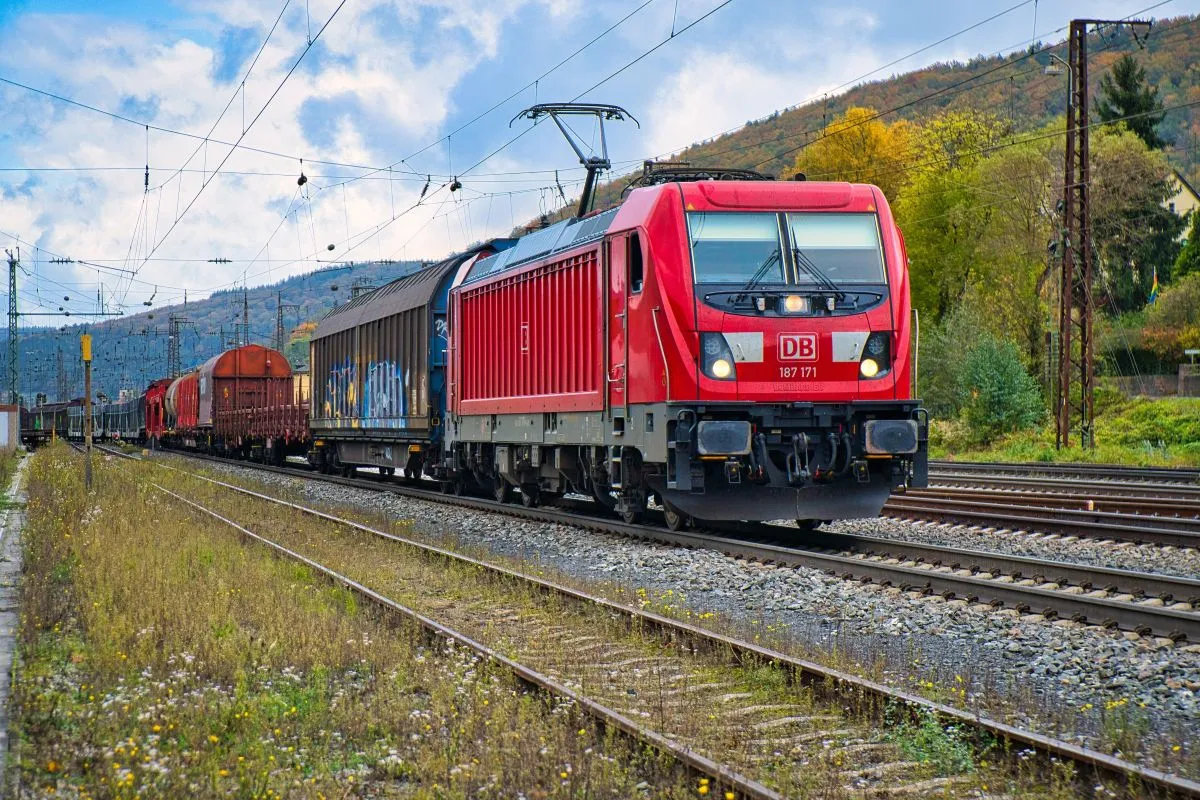

German public broadcaster Tagesschau reported earlier this year that the cuts would affect around 6,200 of DB Cargo’s roughly 14,000 full-time jobs in Germany. The reductions are expected to hit almost all areas of the company, including operations, dispatching, planning, administration, sales and IT.
The restructuring is linked to the European Commission’s approval of German state support for DB Cargo. In November 2024, Brussels approved €1.9 billion in restructuring aid for the company, but made the support conditional on measures intended to restore DB Cargo’s long-term viability by the end of 2026.
DB Cargo has been under pressure after years of losses. Under EU state-aid rules, Deutsche Bahn may no longer simply cover the freight division’s deficits without an approved restructuring plan, as this could distort competition in the European rail freight market.
In May, DB Cargo chief executive Bernhard Osburg told Rheinische Post that the company expected to reach a reconciliation-of-interests agreement with employee representatives by mid-June. He said the job cuts would be implemented by 2030 and that the restructuring programme should deliver around €1 billion in measures by the end of the decade.
A key part of the restructuring concerns DB Cargo’s single-wagonload business, one of the most labour-intensive parts of rail freight. The segment remains important for German industry, including steel, chemicals, automotive and construction, but has long struggled with high costs and uneven utilisation.
DB Cargo’s 2024 integrated report says the company has already started reshaping its single-wagonload network. The plan includes more standardised shuttle services, better capacity utilisation, a stronger focus on longer and more profitable routes, greater bundling of traffic and fewer sorting sidings.