


The intervention follows the European Commission’s second-stage consultation with trade unions and employers on improving job quality across the EU. Published on 20 July, the consultation covers subcontracting, artificial intelligence at work, occupational health and safety, the just transition, enforcement and the role of social partners, ETF says.
The European Transport Workers’ Federation, or ETF, argues that all five areas require binding action rather than voluntary commitments.
Labour shortages linked to deteriorating conditions
Transport has struggled to attract and retain workers for years, with shortages affecting road freight, public transport, aviation, rail and maritime operations.
The ETF says the problem is often described too narrowly. In its view, Europe does not simply face a shortage of available workers, but a shortage of quality transport jobs.
It points to data from the OECD, the European Commission and the European Labour Authority linking persistent vacancies with poor or deteriorating employment conditions. Chronic understaffing, it adds, can also increase fatigue, stress and operational risks.
These pressures are particularly serious in safety-critical roles such as lorry and coach driving, train driving, aviation and seafaring, where long hours and insufficient staffing may directly affect both workers and passengers.
ETF calls for limits on subcontracting
Subcontracting is one of the main areas in which the federation wants the EU to intervene.
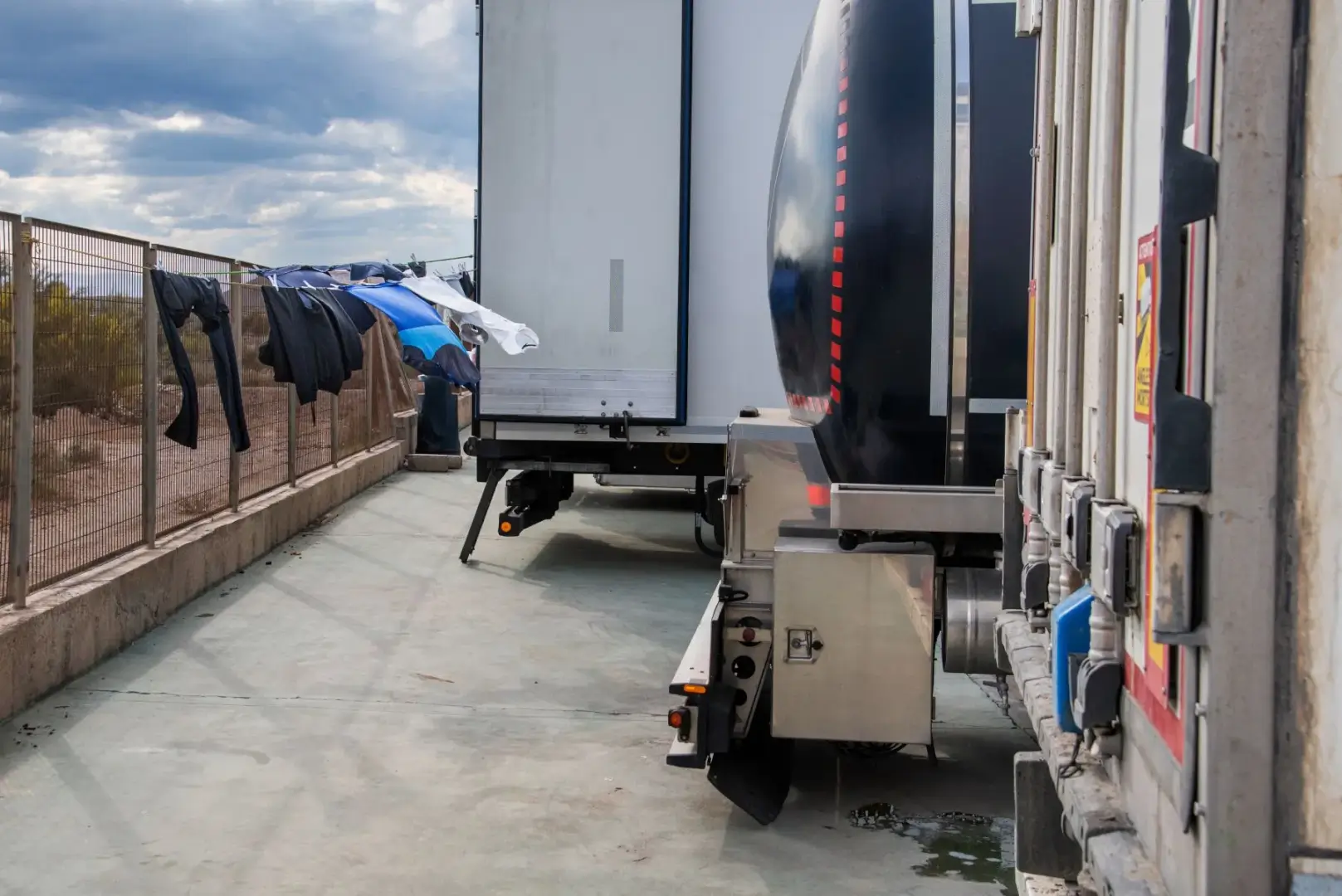
In road freight, subcontracting chains are often cross-border and may involve letterbox companies, posted workers and third-country nationals. According to the ETF, these arrangements can make it difficult to determine responsibility for wages, social security payments, taxes and working conditions.
Warehousing and last-mile delivery face similar problems. The federation says subcontracting has become a standard operating model in some of Europe’s largest logistics markets, contributing to lower pay, unpredictable hours and breaches of labour and occupational safety rules.
Aviation is also affected, particularly in ground handling and through wet-leasing arrangements involving aircraft and crew.
The ETF is calling for subcontracting chains to be limited to a maximum of two levels. It also wants joint and several liability across the entire chain, covering remuneration, social security contributions, taxes, health and safety, and collective bargaining rights.
Its other demands include tighter regulation of labour intermediaries, a ban on agencies and intermediaries in worker-posting arrangements, and stronger enforcement at national and EU level.
Stronger enforcement sought across the EU
The ETF also supports a wider mandate for the European Labour Authority under the planned Fair Labour Mobility Package.
Cross-border enforcement remains difficult because national labour inspectorates are often under-resourced and cooperation between member states can be inconsistent. Long subcontracting chains can make it particularly difficult for workers to identify the company legally responsible for breaches.
Third-country nationals may face additional barriers when seeking unpaid wages or challenging abusive conditions, especially where their immigration status depends on continued employment.
Alongside stronger enforcement, the federation wants worker-centred just transition plans and EU rules addressing the risks created by algorithmic management and artificial intelligence in the workplace.
Its central argument is that Europe will not resolve transport labour shortages through recruitment campaigns alone. Without better pay, safer workplaces and clearer employment responsibility, the sector will continue to struggle to attract and retain workers.


