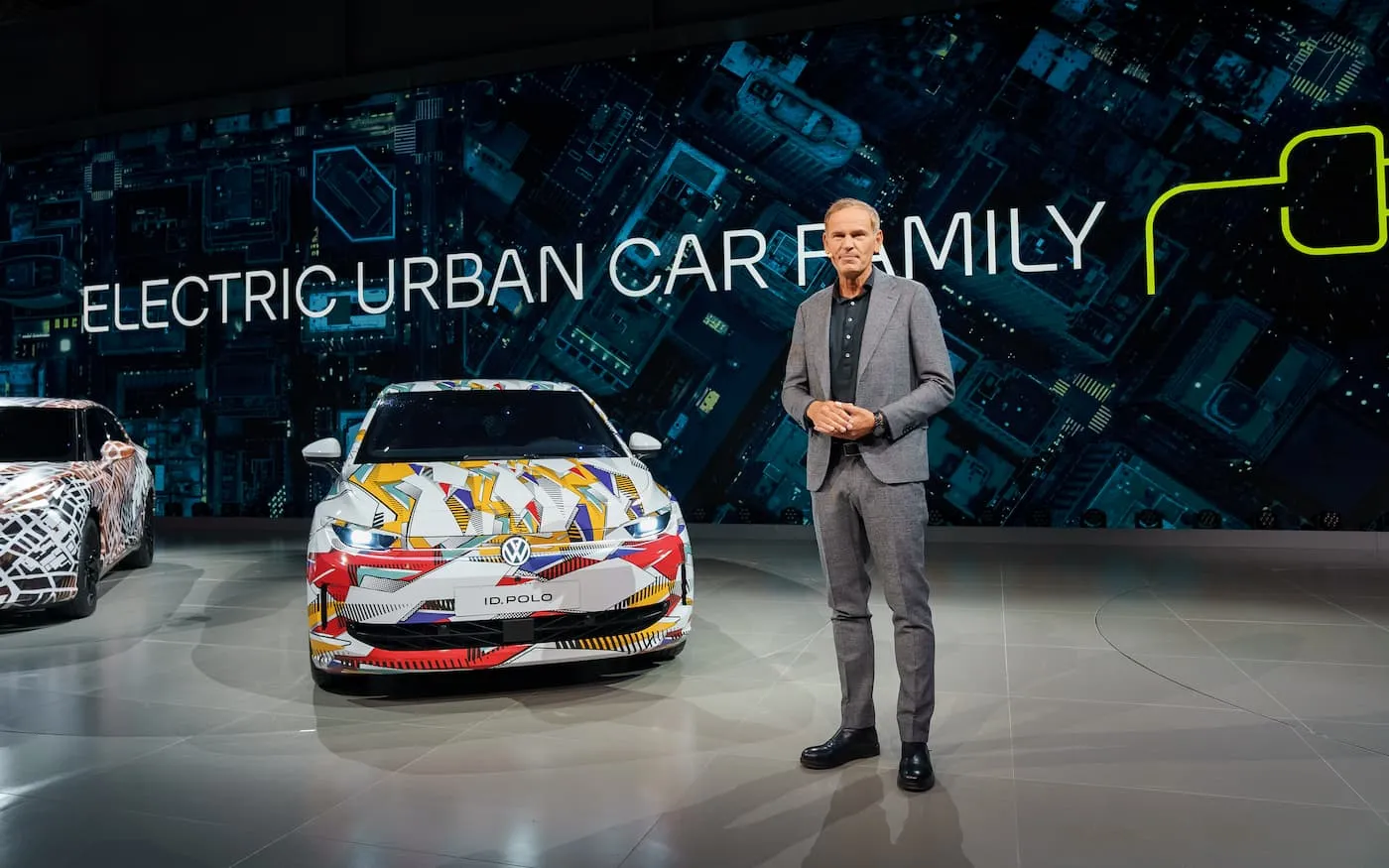

According to Manager Magazin, Volkswagen CEO Oliver Blume and CFO Arno Antlitz are preparing a far-reaching overhaul of the group as part of a new 2030 strategy. The proposals have not been formally approved, and Volkswagen has not confirmed the reported figures.
A Volkswagen spokesperson told Reuters that the automotive industry and Volkswagen Group were undergoing profound transformation and that its current business model no longer worked in the same way across all brands.
The reported plan would represent a significant escalation of Volkswagen’s existing restructuring programme. The new reports suggest the number of jobs affected could rise substantially, with up to 100,000 roles potentially at stake worldwide over the coming years. The plans are also said to include a reduction in planned investment by around 15%, to just over €130bn over five years.
Four German sites have been named in connection with the possible restructuring: Hanover, Zwickau and Emden, as well as Audi’s Neckarsulm plant.
The Hanover site is particularly relevant for Volkswagen’s commercial vehicle business. It produces the T-Series and ID. Buzz, and employs around 14,000 people. Zwickau, which was converted into an electric vehicle site, employs around 8,000 people and produces models including the VW ID. range, Audi Q4 e-tron and Cupra Born. Emden has also been refocused on electric vehicles.
Audi’s Neckarsulm plant employs 15,509 people as of March 2026, according to Audi’s own site profile and Reuters, making it one of the largest employers in the Heilbronn-Franken economic region. The plant produces combustion, hybrid and fully electric vehicles, including the Audi A5, A6, A8 and e-tron GT, and is home to Audi Sport GmbH.
In December 2024, Volkswagen and employee representatives agreed on more than 35,000 job reductions at the company’s German sites by 2030, alongside a lasting cut in German production capacity. The new reports therefore suggest a far broader restructuring scenario than the agreement already reached with labour representatives.
Any closure decision would be politically and commercially sensitive. Volkswagen’s German sites are covered by labour agreements and strong works council representation, while the state of Lower Saxony remains a major shareholder in the company. Previous restructuring efforts have already faced union resistance.
The pressure on Volkswagen reflects wider problems facing European carmakers, including weaker demand in Europe, growing competition from Chinese manufacturers, high costs linked to electrification and new trade barriers. Volkswagen’s own 2025 results showed sales revenue broadly stable at €321.9bn, but operating profit fell sharply to €8.9bn.
For suppliers, logistics providers and regional economies around Volkswagen’s German plants, the significance of the reported plan extends beyond the headline job figures. Neckarsulm sits within an automotive cluster where more than 26,000 people are directly employed in the automotive industry, with thousands more jobs linked to suppliers and service providers in engineering, electronics, parts production, software, logistics and surface treatment.
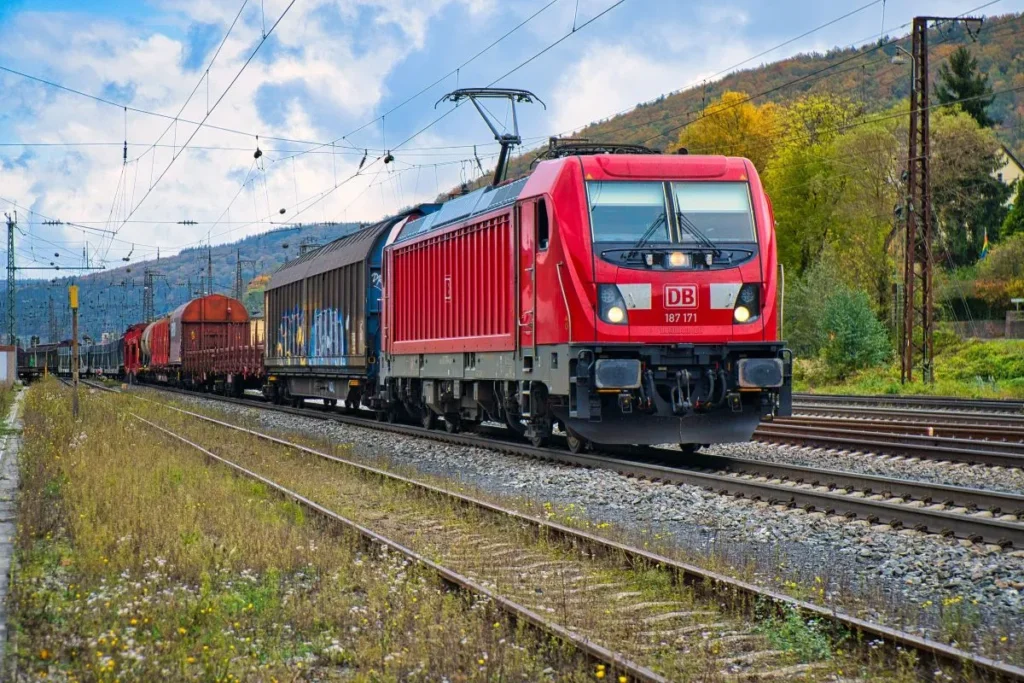
Existing supply-chain connections also illustrate the plant’s wider logistics footprint. DB Cargo Logistics has been moving subframes from Magna Stanztechnik in Salzgitter to Neckarsulm since October 2019, connecting a supplier without its own active rail siding to Audi’s automotive network. A deeper restructuring could therefore affect not only factory employment, but also production flows, component demand, plant utilisation and transport volumes across several German automotive clusters.
The next important date is 9 July, when the proposals are reportedly due to be discussed at Volkswagen’s next scheduled supervisory board meeting. Until then, the 100,000 figure should be treated as a reported management scenario rather than an approved restructuring programme.