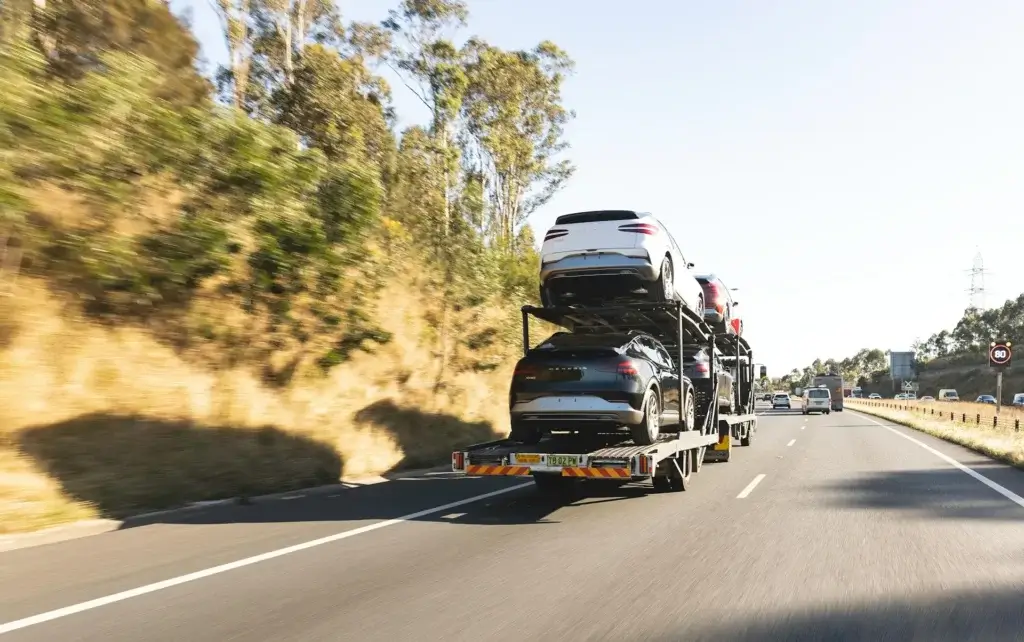
- 75 Dutch bankruptcies: Road freight insolvencies rose from 52 to 75 in the first half of 2026, an increase of more than 44%.
- No further government support: The Dutch government does not plan additional cuts to fuel duty or VAT, pointing to measures already introduced.
- Lower road charges: From September through the end of December 2026, the temporary kilometre charge for trucks is 22.3% lower.
- Higher transport costs: Government analysis suggests the kilometre charge could raise total road freight sector costs by 1–3%.
- Pressure in Romania: Road freight insolvencies increased by 73% in September, and analysts warn that companies could face even greater pressure at the start of 2027.
The Netherlands: more bankruptcies, but not a record
The latest figures for Dutch haulage companies were set out by Vincent Karremans, minister of infrastructure and water management, in response to parliamentary questions from MP Hidde Heutink. The questions focused on the financial health of transport companies facing high diesel prices and new road charges.
According to Statistics Netherlands, CBS, 75 road freight companies were declared bankrupt during the first six months of 2026. The comparable figure for the first half of 2025 was 52, representing an increase of more than 44%.
The figure is also above the levels recorded in the first halves of 2021, 2022 and 2023, when there were 44, 34 and 55 bankruptcies respectively. It does not set a new record, however: 98 companies failed during the first half of 2024.
The figures point to a clear deterioration compared with last year, although the number of bankruptcies remains below the level seen two years earlier.
Importantly, the increase was recorded before the new kilometre-based charging system came into force. The latest bankruptcies therefore cannot be attributed to the new road charge.
Karremans stressed that company failures rarely have a single cause. A business’s financial position and the terms agreed with customers are both important, including whether higher operating costs can be passed on to shippers. In this context, he pointed to fuel surcharge clauses, which allow carriers to adjust their rates when diesel prices change.
Dutch government rules out additional support for now
Despite the worsening statistics, the Dutch government is not preparing another support package for transport companies at present. The minister referred instead to measures already in place or previously announced.
One such measure is a temporary 22.3% reduction in the planned kilometre charge for trucks, covering the period from 1 September to 31 December 2026. As a result, the average tariff has been reduced from approximately €0.191 to around €0.148 per kilometre.
A zero rate of motor vehicle tax also applies from 1 July through the end of December 2026 to trucks with a gross vehicle weight of at least 12 tonnes.
The government also plans to extend the temporary diesel duty reduction for two years. Under the current proposal, the relief would remain in place in 2027 and be gradually scaled back in 2028. This would put diesel duty at approximately €0.55 per litre in 2027, compared with around €0.67 without the extension.
For now, however, the minister sees no justification for further reductions in fuel duty or VAT.
New road charges will also apply to foreign hauliers
The Netherlands’ new distance-based road charging system will apply to trucks with a technically permissible maximum weight above 3.5 tonnes. It will cover almost all motorways as well as selected regional and local roads.
The charge will depend partly on the vehicle’s weight and emissions class. The system applies to both Dutch and foreign carriers, including Polish companies transporting goods to or through the Netherlands.
The government says the change is intended to create a more level playing field. Previously, Dutch companies paid both vehicle tax and the Eurovignette, while foreign hauliers were covered only by the Eurovignette system.
The government acknowledges that the new charges will increase the cost of running a transport business. Pre-launch analysis suggested that total sector costs could rise by 1–3%, although the impact on individual companies will depend on the number of kilometres driven and the types of vehicles they operate.
The minister expects most carriers to pass the additional costs on to their customers.
Smaller operators under pressure
The parliamentary questions also raised concerns that rising operating costs could force smaller transport companies out of the market, leaving the sector increasingly dominated by large operators.
Karremans does not currently expect a threat to competition in the Dutch haulage market. In his view, a company’s ability to remain in business depends not only on fleet size but also on management, financial health and relationships with business partners.
The government says it is monitoring the industry and maintaining contact with its representatives.
The AanZET programme remains one source of support for smaller businesses, helping fund the purchase of zero-emission trucks. During the spring 2026 funding round, smaller companies received 38% of the programme’s available budget.
Carriers can also apply for grants to develop charging infrastructure, helping to limit the cost of switching to electric transport.
Bridge repairs and diversions add to transport costs
Dutch hauliers are also dealing with the deteriorating condition of parts of the road network. The minister acknowledged that an increasing number of bridges and viaducts are nearing the end of their service lives. Repairs, upgrades and unplanned safety closures are becoming necessary.
Examples include restrictions on the Papendrechtsebrug on the N3 and the closure of the Merwedebrug on the A27 motorway.
For transport companies, these disruptions mean diversions, additional kilometres, longer journey times and higher operating costs.
Despite the added burden, the government does not intend to suspend kilometre charges temporarily. It does, however, plan to allocate approximately €18 billion to essential maintenance and upgrades of transport infrastructure.
The Netherlands is not alone: Romanian hauliers also face rising insolvencies
Romanian carriers are also finding it harder to maintain their operations. According to an analysis by Sierra Quadrant, the number of insolvencies in Romania’s road freight sector rose by 73% in September 2026.
Across the Romanian economy, 869 new insolvency cases were recorded that month, the highest monthly total seen in several years. Analysts estimate that the full-year figure could exceed 7,000 cases, with companies potentially facing the greatest pressure during the first quarter of 2027.
Romanian businesses are being affected by high energy costs, weaker consumer spending, rising tax burdens and expensive financing. Liquidity is a particular concern, as many companies fund day-to-day operations by delaying payments to suppliers.
The transport sector is also facing an additional burden from TollRo, the distance-based road charging system for trucks launched on 1 October 2026. Its rollout was accompanied by technical problems, and carriers had previously called for the new rules to be postponed.
As in the Netherlands, the new charging system cannot be considered the cause of the earlier increase in insolvencies.
The figures from the two countries cover different periods and are not directly comparable, but both point to serious difficulties for parts of the transport industry. Dutch road freight bankruptcies rose by 44% in the first half of the year, while Romanian insolvencies increased by 73% in September.
Carriers in both markets are dealing with cost pressure and the risk of losing liquidity. Their governments are responding differently, however. The Dutch government considers its existing measures sufficient and is not planning additional aid, while analysts in Romania warn that elevated insolvency levels could continue in the months ahead.