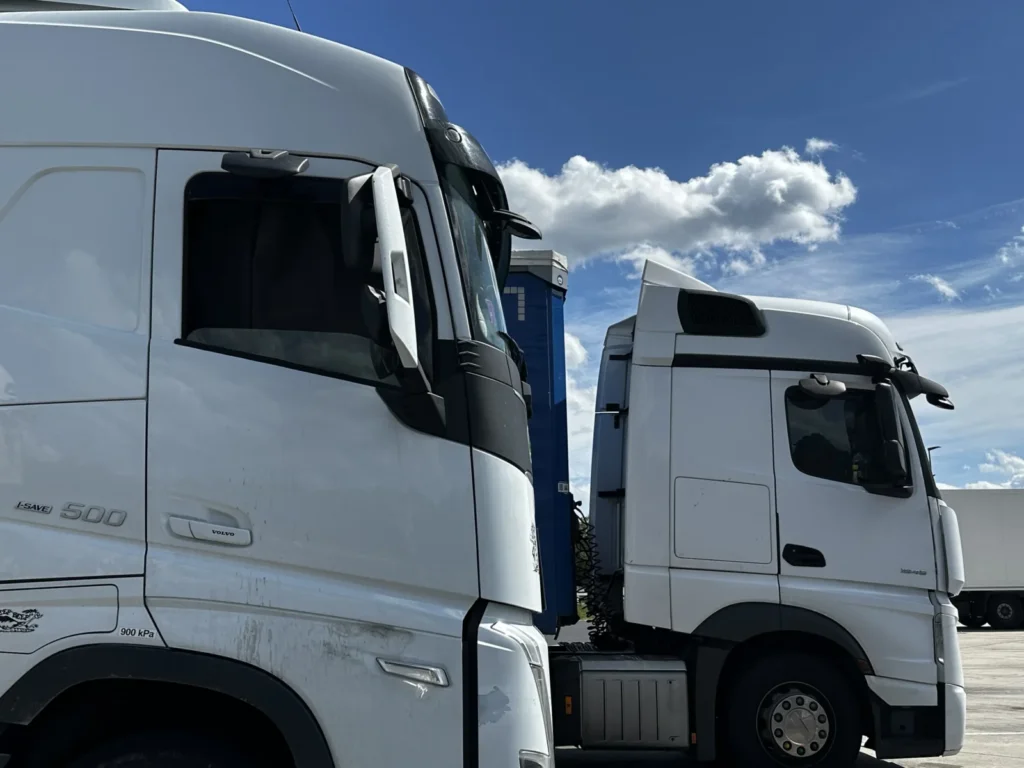
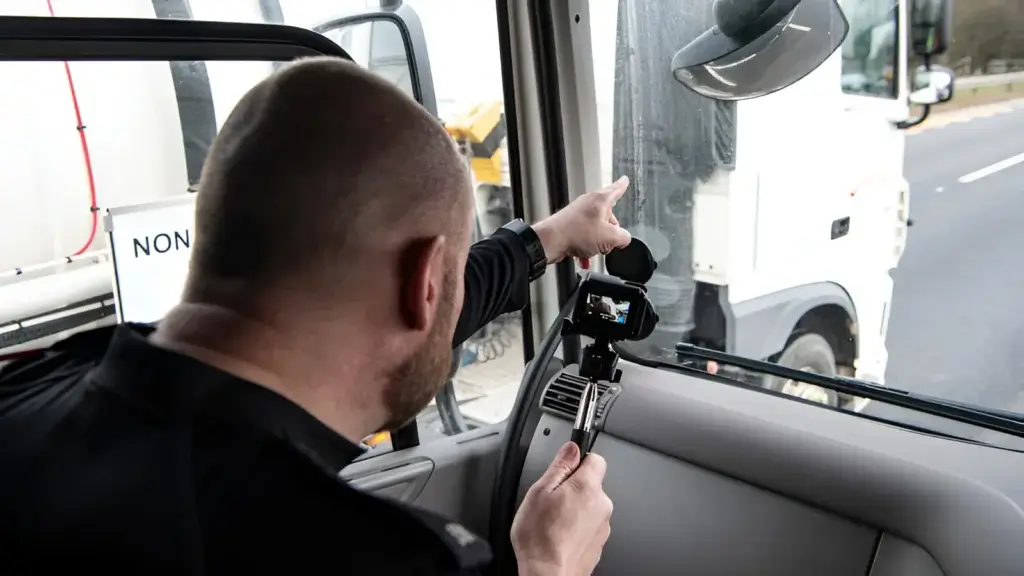
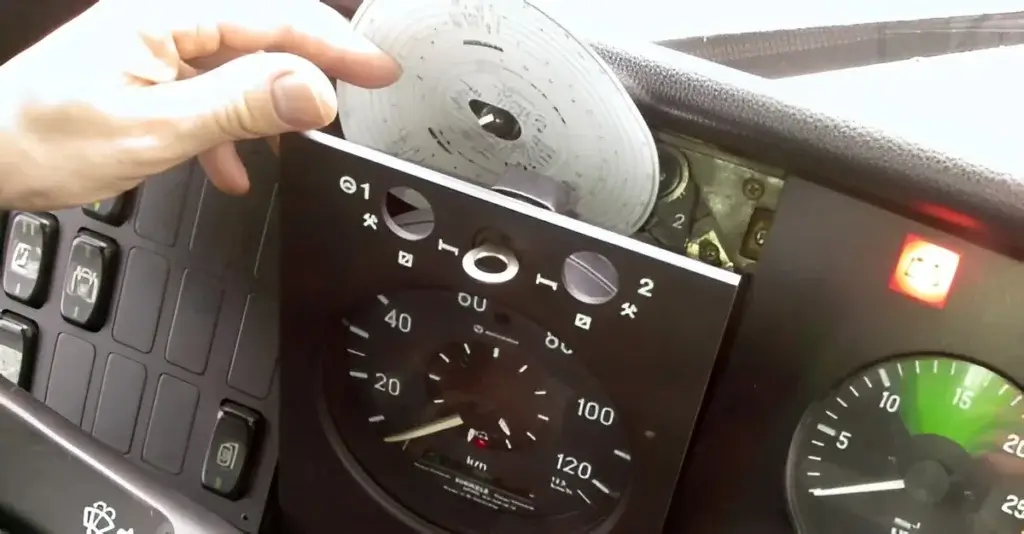
A UK lorry operation has uncovered a troubling mix of serious offences, with 31 drivers caught exceeding their hours or manipulating tachographs in a single crackdown. The findings from South Yorkshire also included drink-driving, speeding and 22 unsafe commercial vehicles, reinforcing concerns that some of the most basic compliance and road safety rules are still being ignored. In the UK, deliberate falsification of tachograph records can carry a fine of up to £5,000, and in some cases a prison sentence.
The South Yorkshire Police operation ran over two weeks and targeted commercial vehicles using the county’s roads. Officers stopped 100 drivers, checked their documents and vehicles, and found two drivers over the drink-drive limit. They also recorded 24 fatal-four offences, including speeding, mobile phone use and seatbelt breaches, while 22 vehicles were found to be in an unfit and unsafe condition and were prohibited from continuing until repaired.
Although the operation covered both lighter commercial vehicles and heavier trucks, the case is highly relevant for the freight sector because it brought together several of the industry’s most serious risk areas in one sweep: drivers’ hours, possible deliberate tachograph abuse, impaired driving and unsafe vehicle condition. South Yorkshire Police said 42 of the vehicles stopped were under 3.5 tonnes, 58 were over 3.5 tonnes, and 53 were foreign-registered. The force did not attribute any specific offence type to foreign operators, but the figures show the mixed and international nature of UK roadside enforcement on freight corridors.
This also fits a wider national pattern. National Highways says that since the launch of Operation Tramline in 2015, police have stopped more than 52,000 vehicles and detected more than 57,574 offences. The two biggest categories are seatbelt offences and mobile phone use, which together account for 55% of all offences identified. National Highways also says 40% of the stopped vehicles were HGVs and 22% were vans.
But the problem does not stop with lorries
While HGV-related offences are an obvious concern for hauliers, DVSA’s latest strategy suggests that the van sector is also under growing scrutiny. In its Light Goods Vehicle strategy, published in August 2025, the agency said it checks around 20,000 LGVs a year, and that more than half of those encounters end in enforcement action for serious defects, insecure loads or significant overloads.
DVSA also said the annual MOT failure rate for LGVs is around four times higher than for HGVs, and that in 2023-24 there were 3,000 LGV incidents involving a fatality or serious injury, compared with fewer than 1,000 involving HGVs. Those figures do not mean van drivers are responsible for every serious incident involving such vehicles, but they do help explain why regulators are stepping up their attention to the sector.
More stories about fines and enforcement:
How a haulage licence bleeds out: Traffic Commissioner suspension explained
Haulier stripped of licence over tyre safety failures and ‘nil defect’ paperwork
Traffic Commissioner puts a price tag on knowingly running overloaded vehicles
UK haulier loses licence over “helping hand” arrangement
Fitness “tarnished”: operator hit with one-month curtailment after DVSA findings