The new provisions are part of a broader act on “simplifying economic life” which—although formally about deregulation—in practice opens a new chapter in the state’s approach to environmental policy and mobility.
The end of ZFE after years of dispute
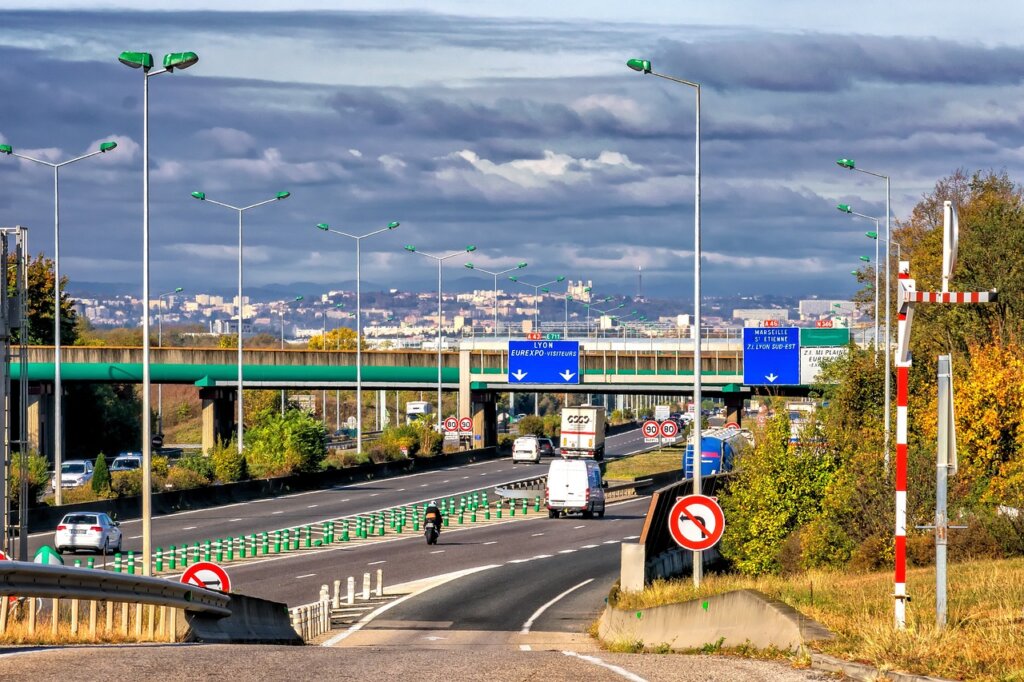
After a long and turbulent legislative process, the French parliament ultimately passed a law that abolishes low-emission zones. The Senate backed it by 224 votes to 100, a day after an earlier vote in the National Assembly. ZFE, introduced in 2019 and expanded in 2021, were intended to restrict the movement of the most polluting vehicles, especially in large metropolitan areas. Their goal was to improve air quality and force changes in the structure of urban transport. In practice, however, the system sparked strong controversy from the outset—it was criticised for its social and economic costs, and some MPs argued that it disproportionately burdened lower-income households that are unable to quickly replace older vehicles.
The decision to abolish them split the political scene, including the governing majority itself. The government tried to soften the rules, among other things by handing decisions over to local authorities, but without success.
France goes against the European trend
Against the backdrop of the European Union as a whole, France’s decision clearly breaks with the broader European trend. For more than a decade, the dominant direction of transport and environmental policy has been unambiguous: expanding and tightening low-emission zones, not abolishing them.
In Germany, the Umweltzone system covers most major cities and has been gradually tightened. Italy has consistently expanded zones in Milan and Rome. The UK is developing London’s ULEZ, and the Benelux countries are systematically restricting access for older vehicles. Against this backdrop, a complete dismantling of a nationwide ZFE system would be unprecedented in a major EU economy. Elsewhere, what has typically been seen are adjustments—longer transition periods, exemptions for selected groups, or softened parameters—but not the full withdrawal of the tool. This is an important distinction. Europe has seen cases of climate policy being “watered down” under social pressure, but France’s decision is the first such clear reversal of course at state level on this scale.
Road transport gets some breathing space
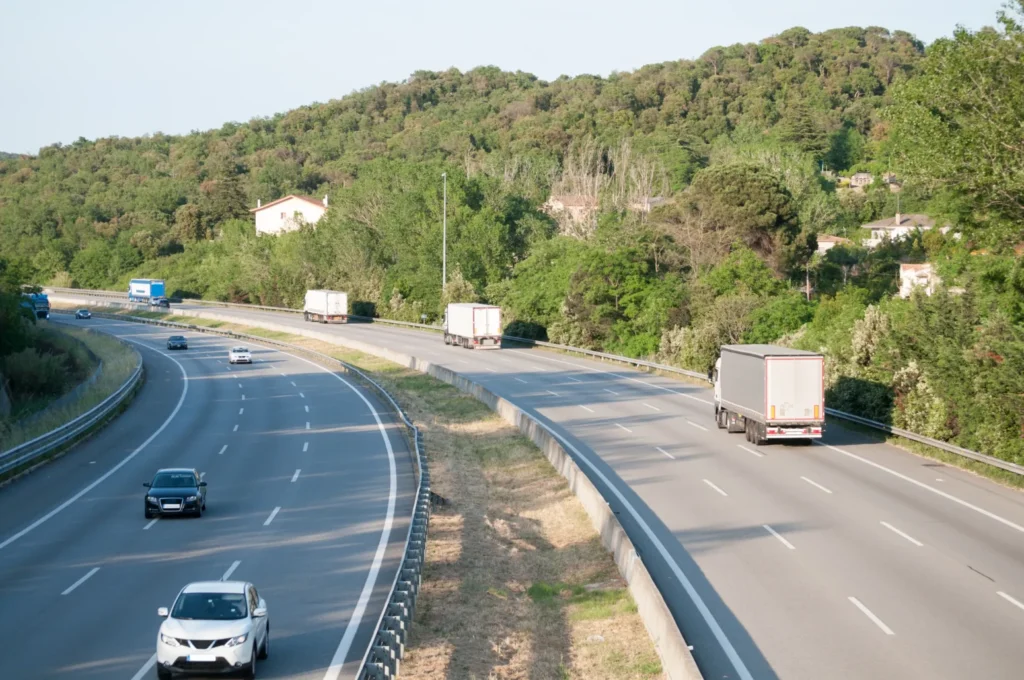
From the perspective of the TSL sector, abolishing ZFE primarily means reduced regulatory pressure on road carriers, especially those operating in urban traffic and last-mile distribution. Until now, the rules have forced companies to invest in lower-emission fleets or reorganise logistics operations. In practice, this meant higher costs, particularly for smaller players and carriers running older vehicles. Removing the zones may therefore improve short-term availability of transport services and reduce operating costs, but it also raises questions about the direction of the sector’s transformation in the longer term.
Air quality under a question mark
Experts have no doubt that ZFE contributed to improved air quality. Data show that in Lyon, road-traffic-related nitrogen oxide emissions fell by 17% in 2018–2021, and in London nitrogen dioxide concentrations have dropped by 44% since 2019. In this context, abolishing the zones could slow positive environmental trends, although the exact effects will also depend on other factors such as diesel prices or the development of public transport. The stakes are high.
Air pollution remains one of the main causes of premature deaths in Europe. In France alone, it accounts for around 40,000 such cases annually, and across the European Union—for at least 239,000.
Poland is moving in the opposite direction
Against this backdrop, the situation in Poland looks particularly interesting: unlike France, the system of clean transport zones is only just developing and is being gradually tightened. From 1 January 2026 a Clean Transport Zone will operate in Kraków—one of the largest in Central and Eastern Europe, covering around 60% of the city’s area. It introduces specific emissions requirements for passenger cars and trucks (including Euro 6 for diesels), and for vehicles that do not meet the standards a system of transitional fees is предусмотрено through 2028.
Warsaw, which launched its zone in 2024, is entering subsequent stages of tightening regulations—gradually raising requirements for vehicles through 2032.
At the same time, more cities—including Katowice, Wrocław and Lublin—are preparing their own solutions, often under regulatory pressure from the European Commission. The Polish model therefore shows something exactly opposite to the French case: gradual, systemic implementation of restrictions, with long transition periods and protective mechanisms for residents and businesses.