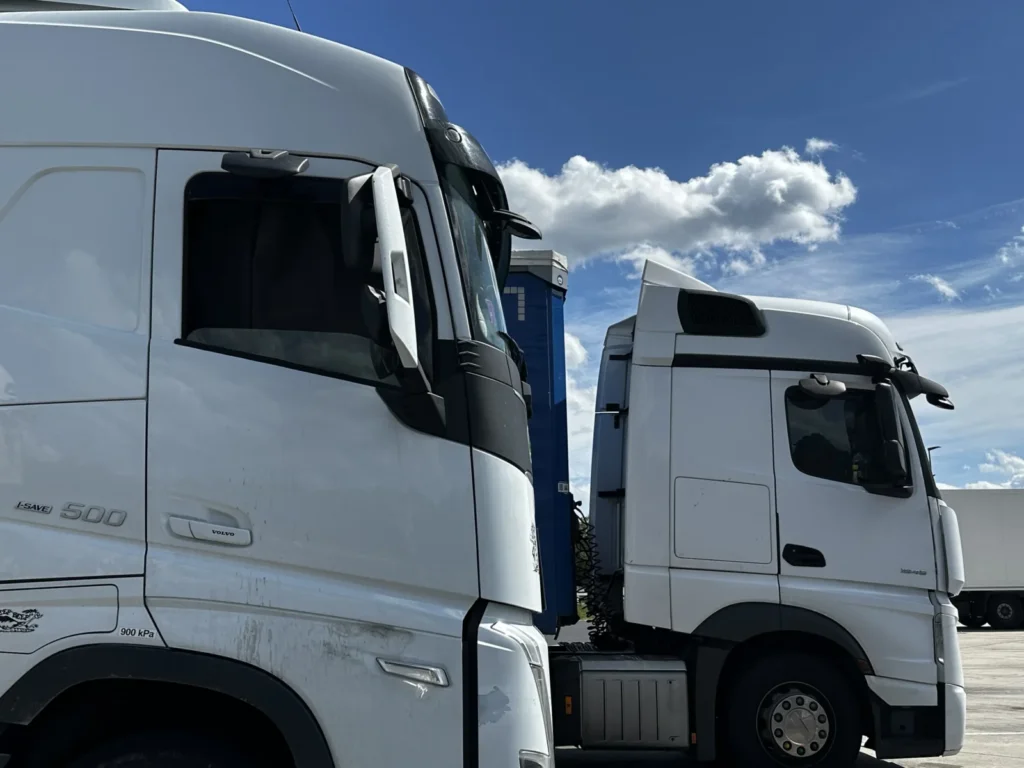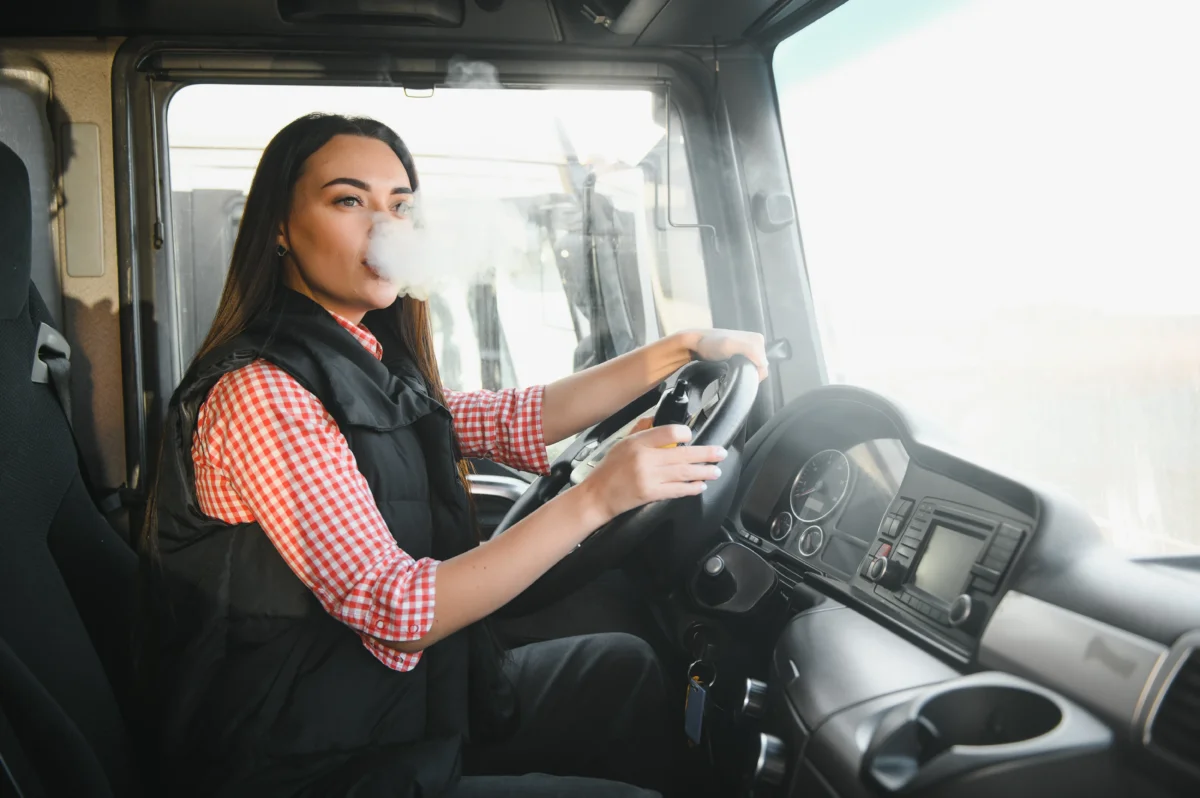

The debate over smoking in trucks has been ongoing in Spain since 2024, when an initial outline of the amendment was presented. Despite opposition from haulage organisations, the ministry has not withdrawn the idea of extending smoking restrictions to vehicles used for professional transport. Industry representatives argue that the measure is disproportionate and does not reflect the realities of road freight work.
The bill moves forward in the legislative process
The Ministry of Health has submitted the draft anti-smoking bill to the Economic and Social Council, which must issue a mandatory opinion before the text can be sent to the Council of Ministers. Only after government approval would the proposal go to parliament.
In its current form, the draft retains a provision that would prohibit smoking in vehicles used for professional transport, which would include truck cabs. At the same time, the bill does not introduce an equivalent ban for private car users.
Fenadismer, the Spanish Federation of National Transport Associations, says this difference is one of its main objections.
Hauliers accuse the government of unequal treatment
Fenadismer argues that the primary purpose of anti-smoking rules should be to protect non-smokers from second-hand smoke, particularly children and other vulnerable groups. In road freight transport, however, drivers typically work alone, and there are generally no third parties present in the cab of a heavy goods vehicle.
The federation says the proposal would restrict professional drivers while leaving private motorists free to smoke in their own cars, including when carrying passengers.
In Fenadismer’s view, this amounts to unequal treatment of professional drivers compared with other road users.
Concerns raised over potential road safety impact
Fenadismer estimates the new rules would apply to around 300,000 truck drivers and 60,000 van drivers.
The organisation says the issue is not only the ban itself, but also potential effects on working conditions. It notes that under current rules, a driver can drive for a maximum of 4.5 hours before a mandatory 45-minute break.
Fenadismer argues that spending many hours behind the wheel without being able to smoke could increase stress and irritability for some drivers. It adds that professional driving is among the more demanding occupations and is often carried out alone for long hours each day.
According to the federation, this could reduce concentration and, as a result, negatively affect road safety.
Where would drivers be allowed to smoke?
Hauliers also point to practical implications. Smoking is already banned in many public places, including bars, restaurants and motorway service areas. The draft law would expand restrictions further, including to terraces and outdoor seating areas at hospitality venues.
Fenadismer argues that drivers who want to smoke during a stop could have fewer legal places to do so. It warns that some may start looking outside dedicated road transport facilities to take a break.
The federation says this could create additional safety risks and may also increase fire risks in certain locations.
Fenadismer calls it an “unnecessary crusade”
Fenadismer has maintained its criticism, describing the proposed ban as an “unnecessary, completely disproportionate and discriminatory crusade” aimed at professional drivers.
The federation says it supports measures designed to protect public health, but argues that any new rules should reflect the specific working conditions of professional drivers in road freight transport.
Hauliers argue that banning smoking in truck cabs would not protect third parties because drivers are most often alone. At the same time, they warn of knock-on effects for work organisation and safety on the roads.
Fenadismer says it will continue pressing for the provision to be removed from the final version of the law. For now, it sees no indication that the Ministry of Health intends to drop the change. With the proposal advancing to the next stage, the road freight sector is preparing for a continued dispute over what it considers the most contentious elements of the draft.