
For international operators active in Sweden, the changes raise compliance risks. Offences that previously resulted mainly in fines may, in many cases, be treated as a criminal offence and could lead to imprisonment. At the same time, the new rules broaden the powers of police and roadside inspectors, giving them additional tools to uncover tachographs manipulation.
Tachograph tampering could mean jail time
A central part of the reform is a new law focused specifically on preventing tachograph fraud and related abuses. Under the updated framework, the following actions can be punished by a fine or up to one year in prison:
- altering, deleting, or making unreadable the information recorded on analogue tachograph charts and on tachograph printouts;
- tampering with, blocking, or deleting data stored in a digital tachograph’s memory or on a driver card;
- operating a vehicle fitted with equipment intended to interfere with the tachograph’s operation — even if inspectors do not find active falsification during the check;
- manufacturing, developing, possessing, distributing, selling, or offering devices and software used to manipulate tachographs.
Swedish lawmakers are also extending criminal liability to preparatory steps taken to commit these offences.
Administrative penalties are also being tightened for transport companies that use driver cards obtained using false information or forged documents. In such cases, the fine will increase from 8,000 to 20,000 Swedish kronor per infringement.
Expanded powers during roadside checks
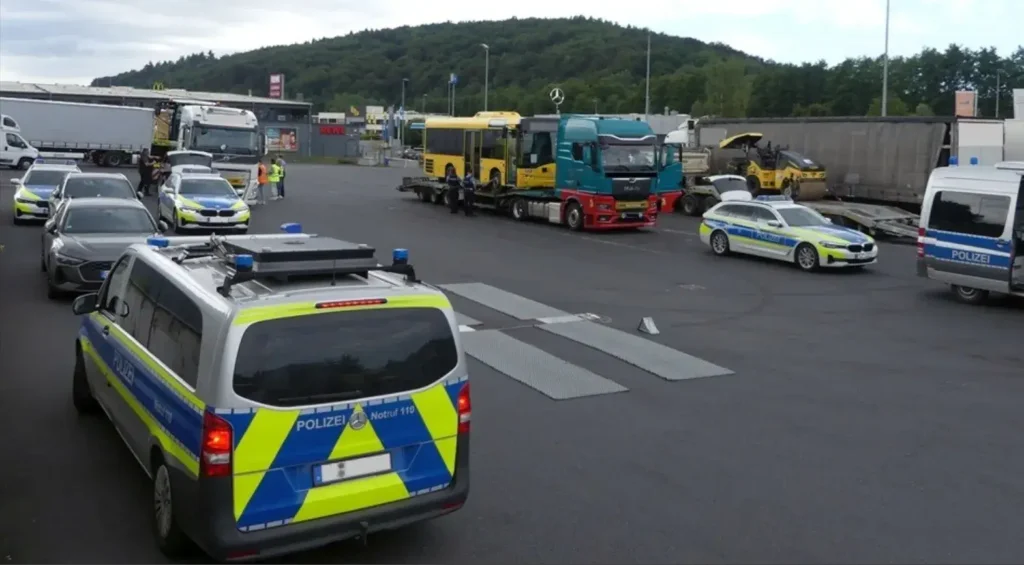
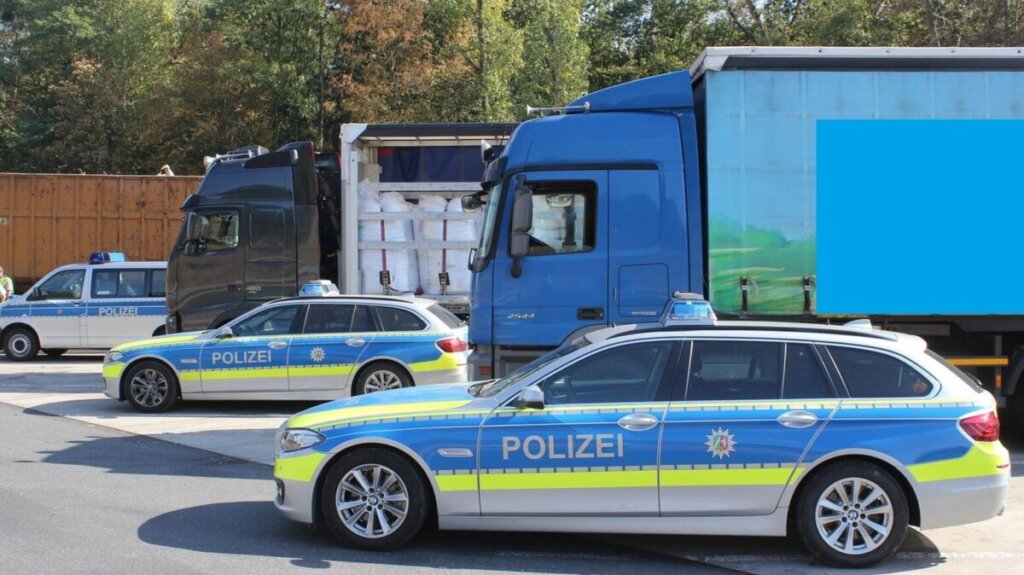
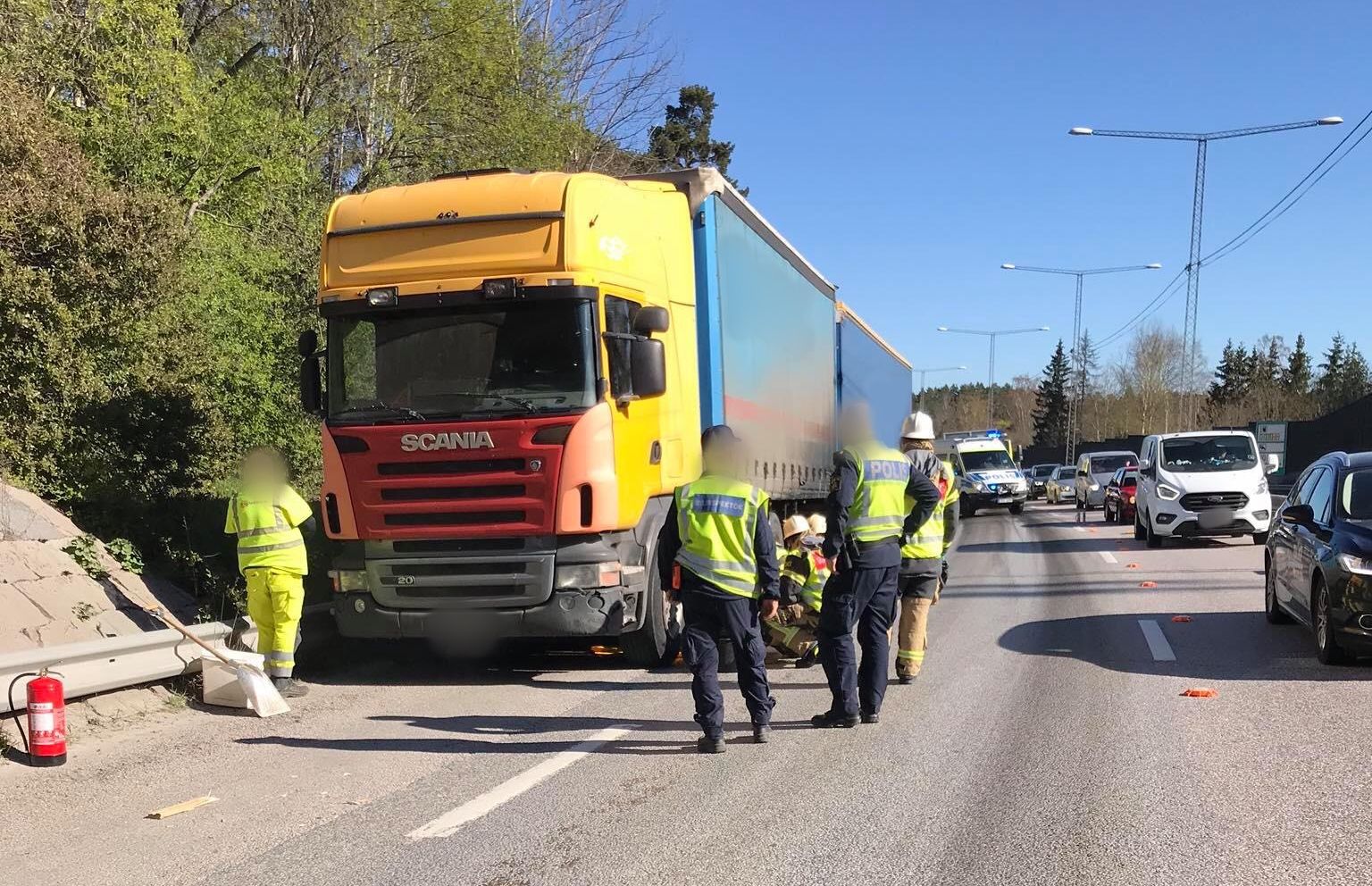
The reform significantly expands how authorities can detect tachograph fraud. Where there is a reasonable suspicion of an offence, a police officer or vehicle inspector will be able to search a vehicle or vehicle combination to find devices used to manipulate tachographs.
Police will also gain the power to carry out a personal search of the driver and inspect luggage to look for someone else’s driver card or forged cards. Technical inspectors, meanwhile, will be allowed — when immediate action is required — to search the vehicle on their own and secure items that could serve as evidence, such as magnets or other devices used to interfere with tachographs.
The amendment also addresses a practical constraint: detailed checks often require equipment that is not available at every roadside location. Police and inspectors will be able to order a vehicle to move to another place if that is necessary to complete a thorough inspection or to use specialist diagnostic tools.
Unannounced checks extended to private sites
The changes also affect so-called flygande inspektion (unannounced technical inspections). Under the revised rules, these checks will not be limited to public roads. They may also be carried out on private property, including logistics hubs, transhipment terminals, and other locations where vehicles engaged in road transport are present.
In practice, this means that in certain situations authorities will be able to inspect a truck before it enters the public road network.
A joint strategy to tackle manipulation
Another element of the reform is the development of a shared enforcement strategy by Transportstyrelsen, the Police, and the Prosecution Authority. The document is intended to set out how tachograph manipulation should be prevented, detected, investigated, and prosecuted more effectively. It also points to more coordinated control actions, including inspections carried out at transport companies.
In addition, police will pass information from every roadside check to Transportstyrelsen for use in the transport companies’ risk assessment system, and any suspected tachograph manipulation will be reported to the competent authority.
Rules take effect in August 2026
The new rules will apply from 1 August 2026. From that date, tachograph manipulation will be punished more severely, while police and control bodies will have additional tools to detect and pursue these violations. The Swedish government argues the measures will improve road safety and curb unfair competition in the transport and logistics sector.