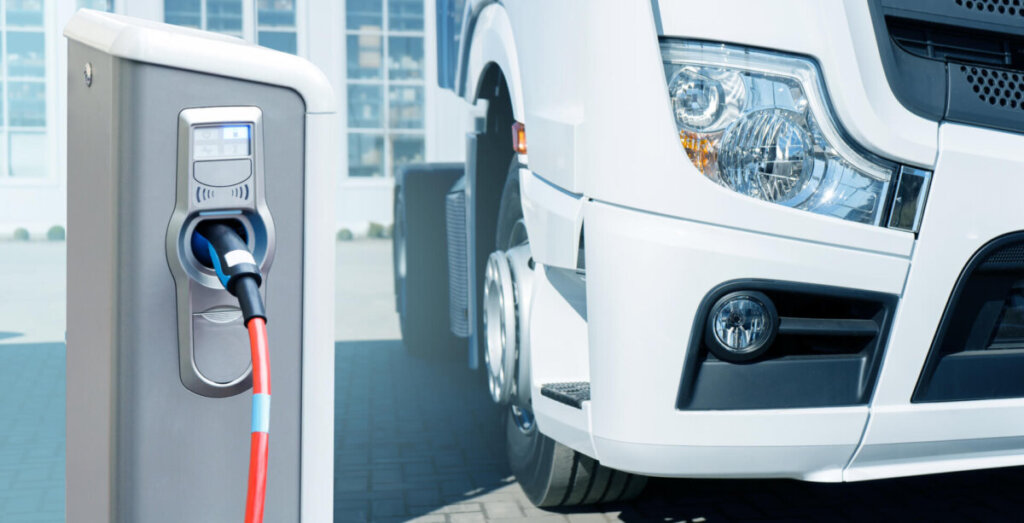
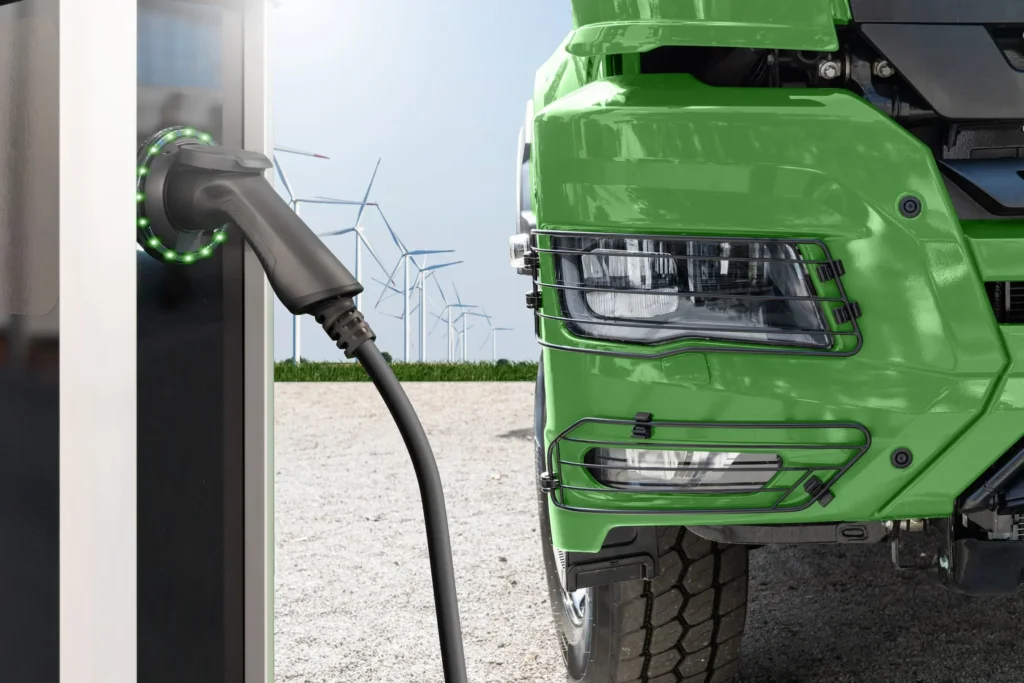
Switzerland plans to extend its toll system for heavy goods transport to electric vehicles as well. On 9 March, the National Council, the lower house of parliament, voted in favour of including electric trucks in the performance-based heavy vehicle charge (LSVA) from 2031.
This would mean that, for the first time, zero-emission trucks would in principle also contribute to financing road infrastructure. In Switzerland, the LSVA is levied depending on distance travelled, gross vehicle weight and emissions class.
However, the decision is not yet final: the proposal still needs to be considered by the Council of States, the second parliamentary chamber.
Discounts are intended to make the switch to electric trucks easier
At the same time, the reform предусматривает discounts for electric trucks. These are to apply in the first years after introduction in order to cushion the higher purchase costs of the vehicles.
The Swiss Commercial Vehicle Association ASTAG particularly welcomes the fact that the level and duration of these discounts are to be set out in law.
“Planning security and reliable framework conditions have always been a core concern of the industry,” explained ASTAG Central President Thierry Burkart.
According to the association, this will allow companies to calculate early on whether investments in electric commercial vehicles make economic sense.
Decarbonisation of heavy transport in focus
Including electric trucks in the LSVA is part of Switzerland’s climate strategy for transport. Zero-emission vehicles also use the infrastructure and should therefore, in the long term, contribute to its financing.
At the same time, the switch is economically challenging for many transport companies. According to industry sources, electric trucking currently cost around two to two-and-a-half times as much as comparable diesel trucks.
Toll discounts are therefore intended to serve as a transitional solution until costs between the drive technologies converge.
Criticism of possible LSVA tariffs for Euro 7 trucks
In addition to integrating electric vehicles, the commercial vehicle association also sees a need for adjustments to the planned tariffs for Euro 7 trucks.
Smaller transport companies in particular could be disadvantaged if modern diesel trucks were to be burdened in future with excessively high LSVA rates.
“Smaller companies must also be given the opportunity to switch to more sustainable vehicles,” said Burkart.
A signal for European freight transport
The planned inclusion of electric trucks in the LSVA points to a development that is increasingly being discussed in other countries as well. Many states have so far fully or partially exempted zero-emission trucks from HGV tolls in order to support the market ramp-up of the technology.
However, these relief measures are generally limited in time. As electric trucks become more widespread, political pressure grows to involve these vehicles too in financing road infrastructure.
Switzerland is thus among the first countries to present a concrete model for the gradual integration of electric trucks into an existing toll system. For freight forwarders, this means: in the long term, it can be expected that zero-emission trucks will also be included in toll systems across Europe, albeit usually with reduced tariffs or transitional arrangements.