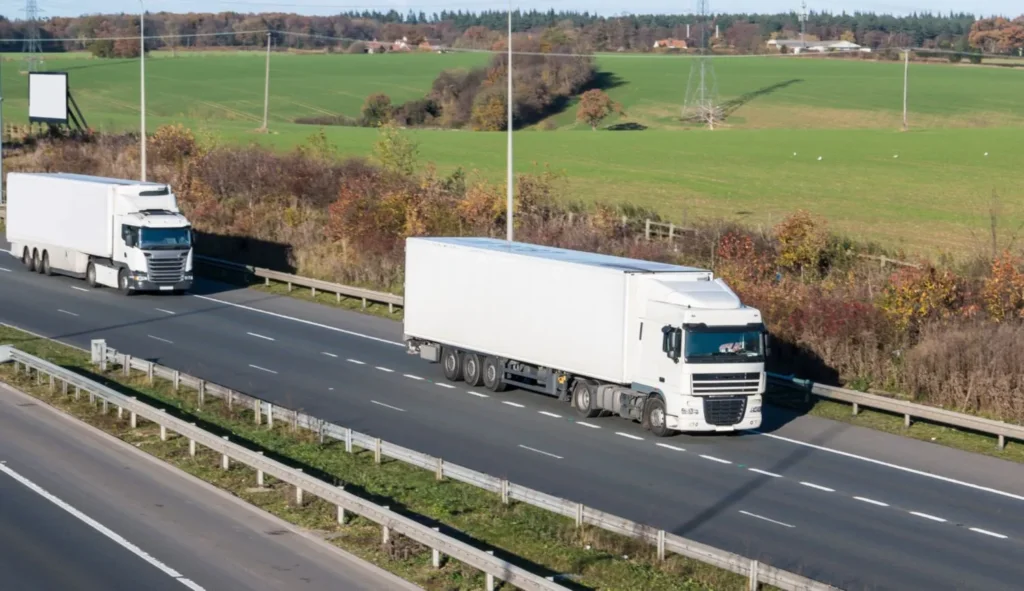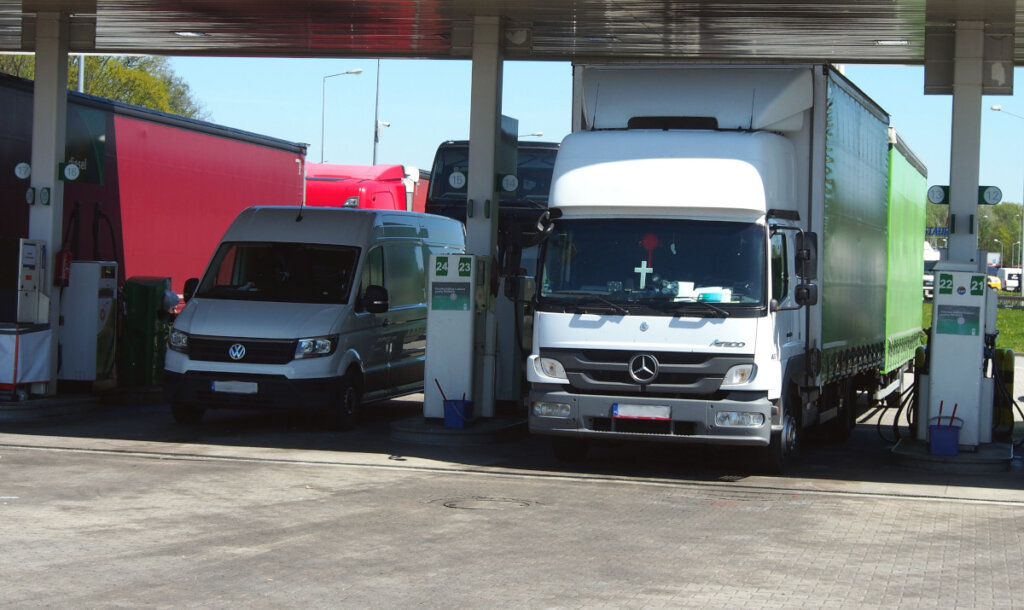

The new rules extend obligations previously applied mainly to heavy goods vehicles, including driving time limits, mandatory breaks and tachograph recording requirements.
To understand how the industry expects the market to change, Trans.eu spoke with carriers, freight forwarders and logistics experts across Europe. Despite operating in different countries, many pointed to the same challenges.
Higher costs arrive at a difficult moment
For many operators, the regulation comes on top of high fuel prices, rising tolls and increasing operating costs.
A Lithuanian transport company told Trans.eu that compliance is likely to affect pricing, delivery times and operational flexibility.
“Carriers are being forced to become slower in order to remain compliant,” the company said.
The pressure is already forcing some companies to reconsider their future in the segment. One Romanian carrier told Trans.eu that the additional regulatory burden may lead them to withdraw from international van transport altogether.
Market expects transport prices to rise
Some companies have already adapted.
Stanislav Arbeit from UK-based Stanly Removals Team says his company has installed smart tachographs in vehicles operating on European routes and does not expect major disruption internally. He believes, however, that the wider market will feel the consequences.
“The main impact will be an increase in prices. Demand for transport vehicles operating within the UK or between the UK and Europe may become more expensive as a result of these new rules.”
Freight forwarders are also preparing for changes.
Ezequiel Devesa from UK-based forwarder Alinnza believes the regulation will improve safety standards but create new challenges for international express and time-critical transport.
He expects compliance costs to increase while operational flexibility declines. He also believes some operators may switch to vehicles below the 2.5-tonne threshold, reducing the pool of available international express capacity.
Industry data suggests that many operators were still unprepared before the deadline.
According to Romanian logistics publication Ziua Cargo, citing data from the Romanian Road Authority (ARR), only 3,584 N1 vehicles had been equipped with second-generation smart tachographs by 15 June. At the same time, more than 13,800 operators were active in the segment, operating over 45,000 vehicles.
The publication also reports that enforcement is expected to begin immediately, with roadside inspections focusing both on the installation of smart tachographs and compliance with driving and rest time regulations.
“Across the market, the expectation is clear: operating costs will increase, capacity will tighten, and the express van segment is likely to experience conditions similar to the traditional peak season, with strong pressure on prices,” says Meda Iordan, General Editor of Ziua Cargo.
Planning transport becomes more demanding
The biggest operational change may not be the tachograph itself but the way transport is organised.
Until now, many operators accepted an order first and planned the transport afterwards. Under the new rules, dispatchers will increasingly need to verify available driving time, mandatory breaks and legal delivery windows before confirming an order.
For companies specialising in express transport, where flexibility has always been a competitive advantage, this represents a significant shift.
Capacity will tighten
Several companies interviewed by Trans.eu expect the new rules to temporarily reduce available capacity.
Mandatory driving and rest periods mean vehicles will no longer be able to cover the same distances as before. Some operators may leave the international van market, while others could move part of their fleet into domestic operations or below the 2.5-tonne threshold.
Industry observers also expect two-driver truck operations to become a more competitive alternative for some long-distance express shipments.
Taken together, these changes could create capacity shortages on selected corridors during the first months after implementation, particularly during periods of high demand.
Digital tools can help companies adapt
While the regulation cannot be avoided, companies can still reduce its operational impact.
As planning becomes more demanding and capacity tighter, better visibility over driver availability, vehicle utilisation and trusted transport partners becomes increasingly important. Reducing empty kilometres, improving fleet utilisation and securing reliable business relationships can help offset part of the additional operating costs.
Digital freight exchanges can play a bigger role in this environment. On Trans.eu, carriers gain access to thousands of freight offers from verified companies across Europe, making it easier to secure return loads and keep vehicles productive as costs rise. Freight forwarders, in turn, can quickly find compliant capacity through a network of more than 27,000 verified carriers when availability becomes more limited.
Financial security is also becoming more important. Services such as SafePay help protect carriers against missed payments when working with new business partners, reducing the risk that a single unpaid invoice wipes out already thin margins.
At the same time, the Trans.eu Mobile App allows carriers and dispatchers to search for freight, manage transport and respond to market opportunities while on the move, helping minimise downtime and react faster as market conditions change.
Check out a more detailed analysis of the new smart tachograph rules, including market expectations, practical recommendations and strategies for carriers and freight forwarders.