
Key points
- 9,941 new HGVs were registered in July–September 2026, up 7.2%. It was the first quarterly rise since Q2 2024.
- Articulated trucks rose 11.2% to 4,543, and rigids 4.1% to 5,398.
- Zero-emission truck registrations fell 50.7%, to a market share of 1.1%.
- Year to date, the market is still down 3.8%.
The figures were published by the Society of Motor Manufacturers and Traders (SMMT) on 12 October. It was the best quarter for the HGV market since Q3 2023.
The rise comes partly from a weak base. In Q3 2025, registrations had fallen 14.5% to 9,272 trucks.
Tractor units lead the recovery
Articulated trucks grew fastest: 4,543 units, up 11.2%. Year to date, they are now back in growth, up 2.3%. Rigids rose 4.1% to 5,398.
By body type, tractor units rose 12.3% to 4,453. Tippers grew 19.1% to 847 and refuse trucks 31.5% to 760. Curtainsiders rose 8.4% to 657, while box vans fell 11.8% to 793.
Regionally, Northern Ireland saw the biggest percentage rise, up 45.8% to 328 trucks. The South East had the biggest increase in volume, up 17.1% (+319 units) to 2,187.
Electric trucks: one in 100
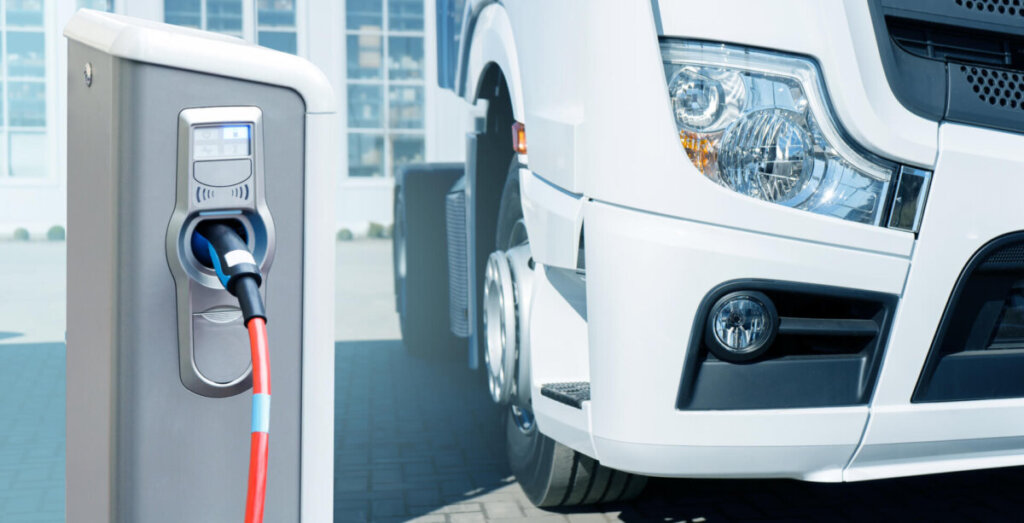
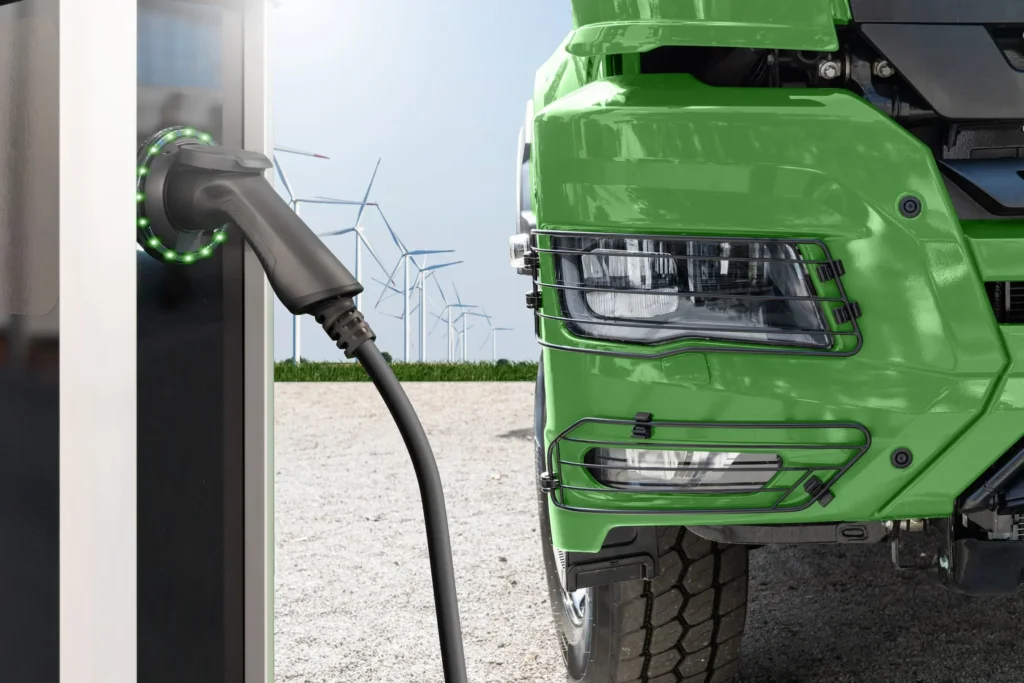
The weak point is zero-emission trucks. Their registrations fell 50.7% compared with Q3 2025, and their share of the market dropped to 1.1%. A year earlier, 225 zero-emission trucks were registered, a 2.4% share. Based on SMMT’s percentages, that suggests around 110 in Q3 2026. Year to date, zero-emission registrations are down 30.9%, with a 1.0% share.
“A recovery in new HGV registrations after two years of falling demand is a welcome boost for the sector,” said Mike Hawes, SMMT chief executive, adding that it came “from a low base”.
“The decline in zero-emission registrations, however, underlines the volatility and fragility of the transition,” he said, “with market share still stuck at just one in 100 new trucks.”
Why operators are not switching
SMMT says the capital needed both to buy electric trucks and to build depot charging “remains a significant barrier”. Government grants have lowered those costs “only in part”, according to the organisation.
SMMT is calling for a national infrastructure strategy to give operators confidence, and for a “multi-technology approach” to CO2 reduction, because HGVs are used in so many different ways.
Support is available. The government’s Depot Charging Scheme has £170 million until 2030, and its second funding window is expected to open on 28 October. But operators also face deadlines: under government plans, the sale of new non-zero-emission HGVs up to 26 tonnes ends in 2035, and all new HGVs must be zero-emission from 2040.
What it means for hauliers
The numbers show that operators are renewing their fleets after two weak years, but they are choosing diesel. With uncertain charging access and high upfront costs, many prefer a proven truck that will last until the rules change.
This is a sharp turn from earlier in the year, when the truck market picked up pace as electric sales climbed faster. The arrival of cheaper models could change the picture again: Chinese electric trucks priced close to diesel could arrive within a year. Smaller operators may also find it easier to start if depot chargers can be shared between hauliers.