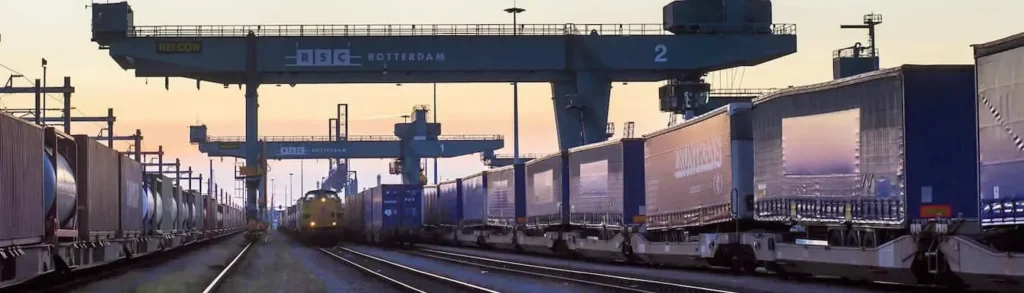
The first train departed on 28 January from the Sknyliv-Liski terminal near Lviv and arrived the following day at the EWG terminal in Fényeslitke, eastern Hungary. The inaugural service carried non-cranable semi-trailers; equipment that is typically harder to transfer to rail due to handling constraints, according to the company.
The service was launched by East-West Intermodális Logisztikai Szolgáltató Zrt. (EWG) in cooperation with UZ Cargo Poland. The companies said the connection is currently available on demand, with the option to introduce a more frequent timetable if market demand increases.
Each train can carry up to 42 semi-trailers depending on route and destination. Current destination markets include Germany and the Netherlands, while routing can be adjusted based on customer needs, the operator added.
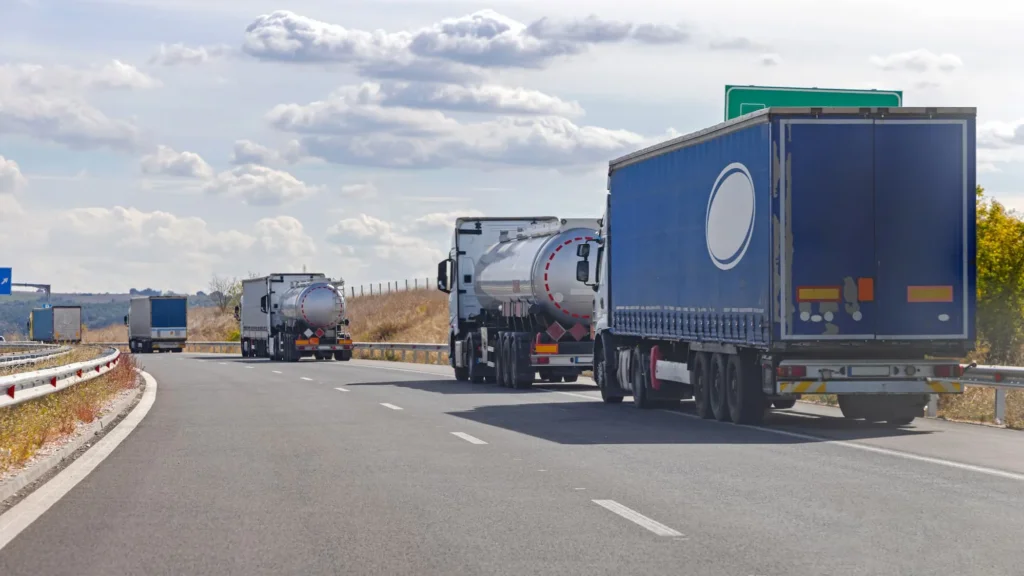
EWG said one of the key advantages is predictability compared with road transport, citing potential driver shortages and less predictable border-crossing conditions in Ukraine. It also pointed to lower emissions from rail: the company estimates rail transport can generate 70–80% less CO₂ than road transport over comparable distances.
The company expects gradual growth and said the service could be extended to additional Ukrainian terminals depending on demand.