The UK government has published draft regulations that would formally ease testing, roadworthiness, and drivers’ hours requirements for heavier zero-emission goods vehicles, confirming changes first outlined during a 2025 consultation.
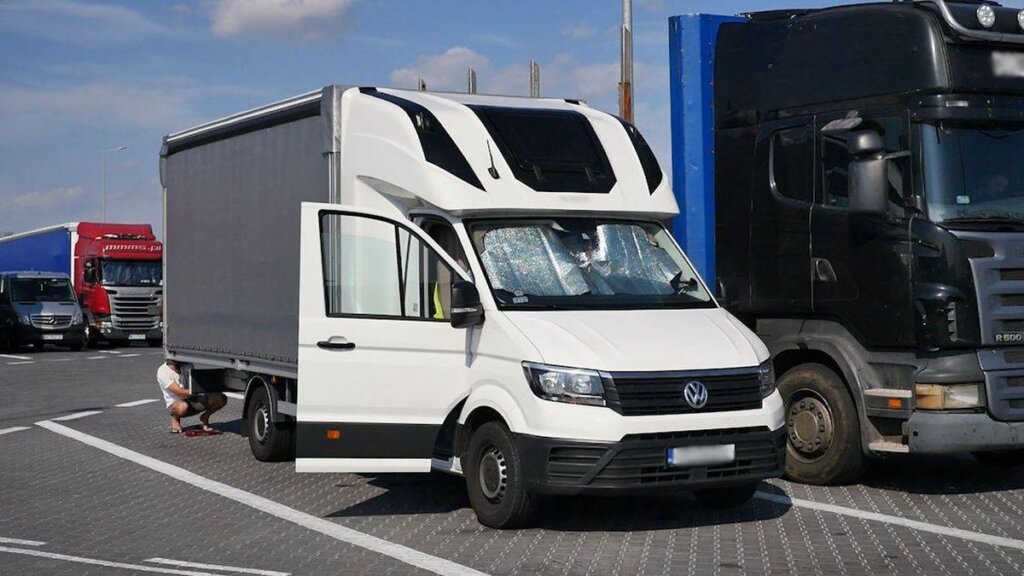
If adopted, the measures would align the regulatory treatment of zero-emission goods vehicles weighing up to 4.25 tonnes with that of conventional vans, rather than heavy goods vehicles, where the higher weight results solely from battery mass.
The draft legislation applies to goods vehicles that:
- are zero-emission,
- have a maximum permissible mass exceeding 3.5 tonnes but not exceeding 4.25 tonnes, and
- are used for the carriage of goods.
Zero-emission vehicles are defined as vehicles without an internal combustion engine, or with carbon dioxide emissions of zero grams per kilometre.
Diesel vehicles are not affected by the changes.
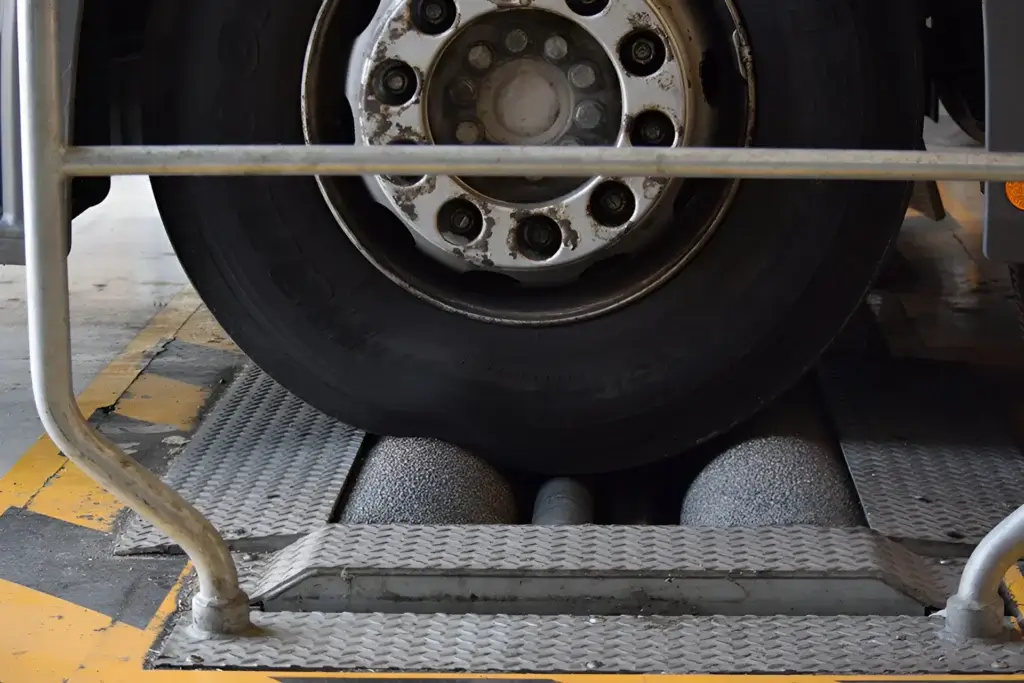
Shift from HGV testing to Class 7 MOT
The draft regulations amend the Motor Vehicles (Tests) Regulations 1981 and the Goods Vehicles (Plating and Testing) Regulations 1988.
Under the proposed framework, zero-emission goods vehicles in the 3.5–4.25-tonne range would:
- be tested under the Class 7 MOT system, and
- be removed from the HGV plating and annual roadworthiness testing regime.
As a result, these vehicles would no longer be subject to heavy vehicle testing requirements solely because they exceed the 3.5-tonne threshold.
Tyre standards aligned with vans
The Road Vehicles (Construction and Use) Regulations 1986 would also be amended.
Tyre tread and condition requirements applicable to Class 7 vehicles would be extended to cover zero-emission goods vehicles up to 4.25 tonnes, replacing the heavier standards that currently apply once a vehicle exceeds 3.5 tonnes.
Read more: Electrification, the stiff collar of road transport: uncomfortable, costly, but no longer optional
Drivers’ hours and tachographs
The draft instrument also replaces the existing national derogation contained in the Community Drivers’ Hours and Recording Equipment Regulations 2007.
Under the new provisions:
- zero-emission goods vehicles with a maximum permissible mass of more than 3.5 tonnes and not exceeding 4.25 tonnes would be fully exempt from EU and UK drivers’ hours rules, and
- tachograph requirements would not apply, with no restriction on operating distance.
For other alternative-fuel vehicles, including gas-powered vehicles, the existing exemption would continue to apply, subject to a 100-kilometre operating radius and a 7.5-tonne weight limit.
The draft regulations do not address speed limiter requirements.
EU working on a parallel exemption
The UK draft legislation reflects regulatory work underway at the EU level, where similar issues have been identified for heavier battery-electric vans.
As previously reported by Trans.INFO, the European Commission is preparing a legislative proposal that would exempt certain battery-electric vans weighing between 3.5 and 4.25 tonnes from the obligation to install an intelligent tachograph and a 90 km/h speed limiter solely because of their battery weight.
The planned exemption would apply to electric vans that move from the N1 category to N2 only because of their batteries, with the stated aim of preventing standard-size electric vans from facing stricter requirements than comparable diesel vehicles.
According to internal Commission planning documents, the measure is expected to form part of a broader “Automotive Omnibus” package aimed at reducing administrative burdens in the automotive and transport sectors. The same legislative bundle is also expected to include adjustments to Euro 7 on-road testing for heavy-duty vehicles and links to the ongoing review of EU CO₂ standards for cars and vans.
If adopted, the EU exemption would apply across Member States and remove two of the main regulatory constraints affecting cross-border operations with heavier electric vans. Combined with the UK’s proposed domestic changes, the initiatives point to a wider regulatory shift toward aligning vehicle rules with real-world electric van use rather than nominal weight thresholds.
Parliamentary approval and implementation timeline
The UK regulations are in draft form and must be approved by both Houses of Parliament before entering into force. If adopted, they would apply in England, Wales and Scotland.
At EU level, the Commission is expected to present its automotive package in December, after which the proposals would move to the European Parliament and the Council for negotiation and possible amendment.