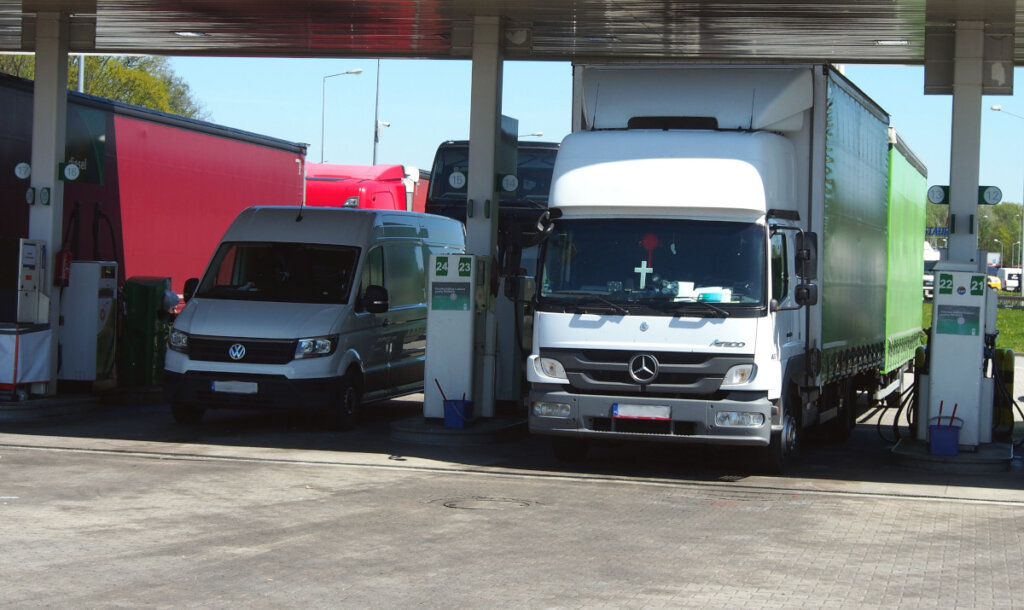
The new requirements introduced under the Mobility Package were intended to curb the intensive use of light commercial vehicles in international transport without any effective monitoring of drivers’ working time. Brussels primarily targeted the 3.5-tonne van segment, which for years operated outside the regulatory framework applied to heavy goods transport.
From July 2026, this is set to change. Tachographs will also become mandatory in vehicles with a GVW above 2.5 tonnes and up to 3.5 tonnes, provided they are used for commercial international carriage of goods.
The 2.5-tonne threshold: a loophole for hauliers?
The rigidly defined GVW threshold is therefore of key importance. Vehicles type-approved with a GVW of up to 2.5 tonnes will not be subject to the new obligation, even if they perform international transport for hire or reward, provided that their actual weight and manner of use remain consistent with the type approval.
This regulatory gap is already influencing market behaviour. Some operators and manufacturers are shifting towards vehicles with a GVW of 2.49 tonnes, designed not for local distribution but for long-distance international operations.
Read more: Electrification, the stiff collar of road transport: uncomfortable, costly, but no longer optional
Piaggio Porter NP6: international transport “designed to fit the rules”
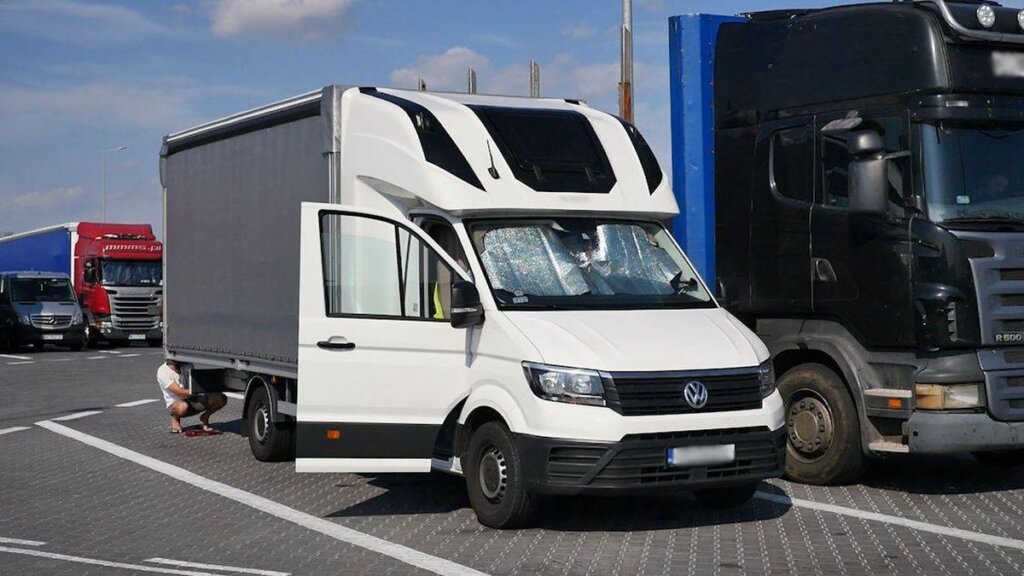
This trend is reflected in a new configuration of the Piaggio Porter NP6, added to the Polish importer’s line-up in 2025. The vehicle is type-approved at a GVW of 2,490 kg and has been positioned from the outset as a solution for international transport of light loads.
Formally, it remains a light commercial vehicle. Functionally, however, it is a design engineered to stay outside the tachograph requirement once the new rules come into force.

Piaggio press material
Four or even five Euro pallets below the regulatory threshold
The vehicle is based on a chassis with a 3,250 mm wheelbase, rear-wheel drive and twin tyres on the rear axle. This configuration allows for a body capable of carrying four Euro pallets, and in a version with a sleeper extension, even five Euro pallets, with a declared payload of approximately 900 kg.
All of this is achieved while keeping the gross vehicle weight below the 2.5-tonne threshold that determines whether a vehicle must be equipped with a tachograph in international transport.
A micro sleeper cab
The most distinctive feature of this configuration is the possibility for the driver to sleep in the vehicle. The Piaggio Porter NP6 can be specified with a rear sleeper cab or a so-called “chicken coop” mounted above the cab.
The sleeping space is, however, very limited. The bunk length ranges from around 172 cm to just under 200 cm, while both height and width fall well short of the standards commonly found in 3.5-tonne vans.
A systemic loophole in the Mobility Package?
The introduction of tachographs into the 2.5–3.5-tonne segment was meant to bring van drivers’ working conditions closer to those in heavy transport and to limit uncontrolled exploitation. In practice, however, a rigid weight threshold creates a strong incentive to design vehicles “to the rule” rather than with comfort, ergonomics or occupational safety as the primary focus.
The Piaggio Porter NP6 is not a universal solution and will not replace conventional 3.5-tonne vans on most routes. It does, however, clearly demonstrate that light international transport of goods can still operate outside the tachograph regime by exploiting regulatory gaps left by lawmakers.
Whether this remains a niche solution or marks the beginning of a wider trend will become clear in the coming months. One thing is certain: the market is not waiting passively for the new rules to take effect and is already moving precisely to where the regulatory line ends.