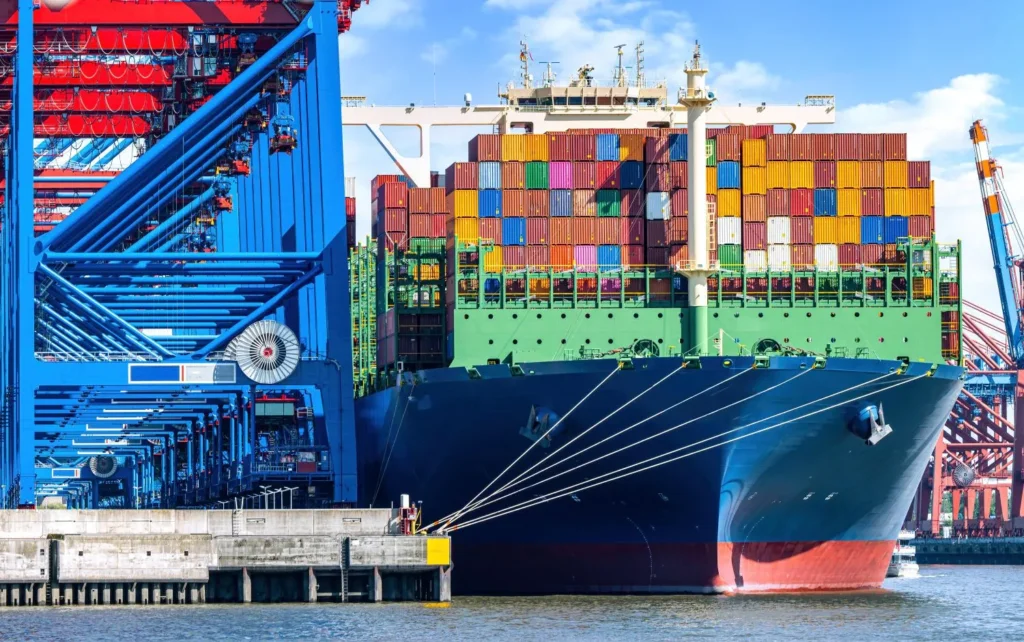
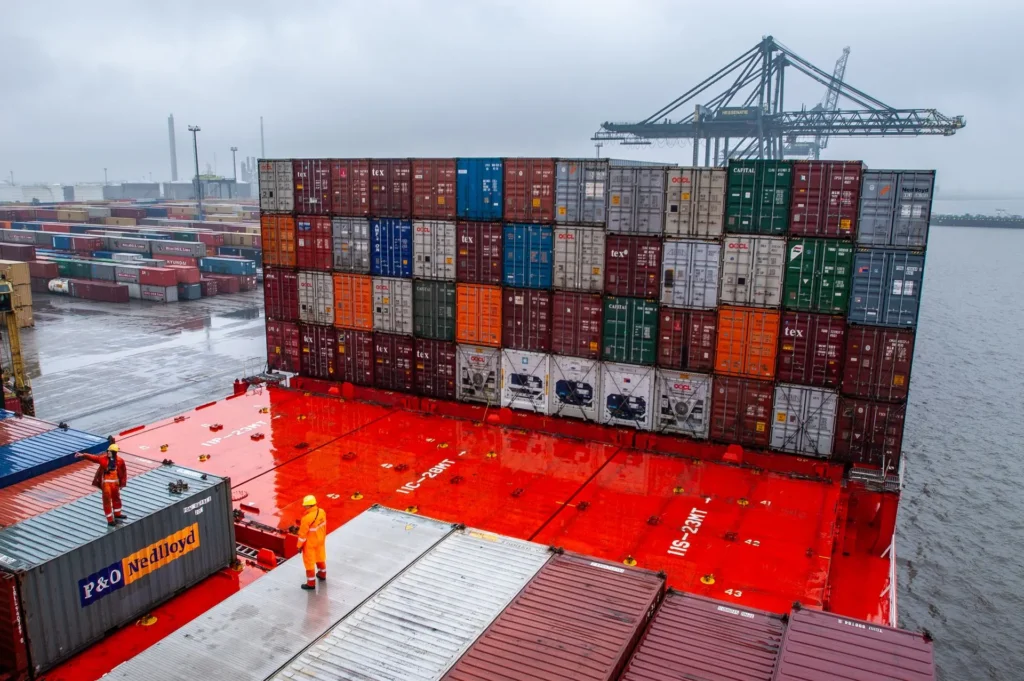
The move could affect a large share of Cuba’s container trade, with Reuters reporting that the two carriers’ suspension may put as much as 60% of the country’s shipping traffic by volume at risk.
German container line Hapag-Lloyd has temporarily stopped accepting new bookings to and from Cuba while it assesses whether, and under what conditions, services involving the country can continue.
In a customer notice, the carrier said existing Cuba-related bookings should be reviewed and customers should contact local representatives for further guidance. Hapag-Lloyd said the suspension was linked to compliance risks arising from the US executive order signed on 1 May.
French carrier CMA CGM has also suspended all bookings to and from Cuba until further notice. In a statement cited by Reuters, the company said the decision followed the US executive order and added that it was monitoring the situation and would adjust operations in line with applicable regulations.
The decision has also been flagged by Kuehne+Nagel, which told customers that CMA CGM and Hapag-Lloyd had suspended new Cuba bookings amid expanded sanctions risk.
Why a US order affects European carriers
The new US order broadens the sanctions risk for non-US companies and foreign financial institutions. According to the US Treasury’s Office of Foreign Assets Control, Executive Order 14404 authorises sanctions against non-Cuban foreign persons for providing support to Cuba, and against foreign financial institutions for conducting or facilitating significant transactions involving people or entities blocked under the order.
The order applies to several sectors of the Cuban economy, including energy, defence and related materiel, metals and mining, financial services and security. Other sectors may also be identified later by the US Treasury in consultation with the State Department.
That creates a difficult compliance environment for carriers, forwarders, banks and cargo owners. Even where a shipment is not directly connected to the United States, companies may still need to assess whether the cargo, counterparty, payment chain or Cuban end user could fall within the new sanctions framework.
Reuters reported that cargo from China, Northern Europe and the Mediterranean would be among the flows most affected by the suspension. Although the immediate impact is maritime, the effect is likely to be felt across the wider logistics chain, including forwarders, insurers, banks and shippers handling Cuba-linked cargo.