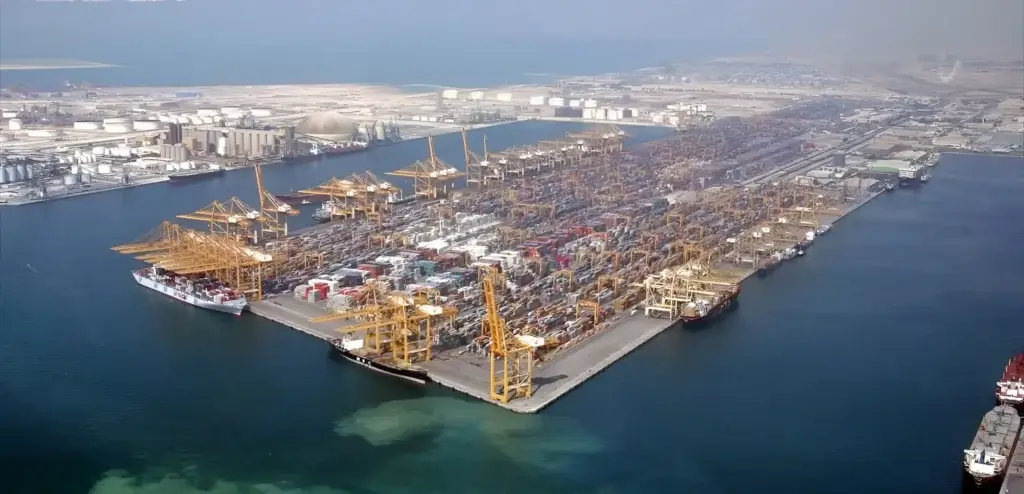
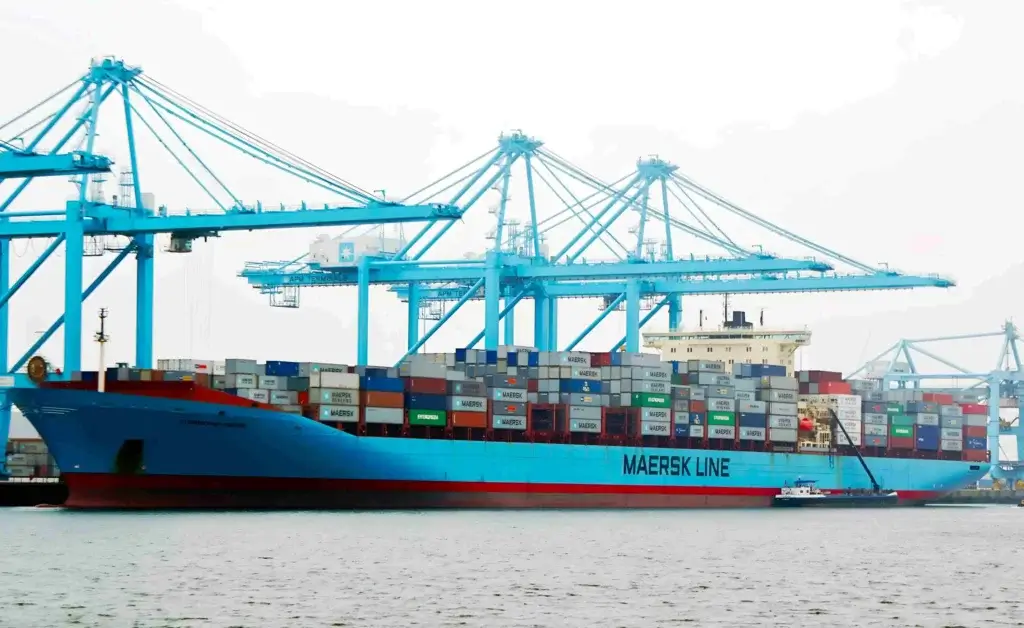
Bloomberg’s finding suggests that the Strait of Hormuz is no longer operating at the near-standstill levels seen after the conflict escalated. But that does not mean a normal shipping lane has been restored. Reuters reported on April 3 that several Omani, French and Japanese vessels had managed to cross after Iran began allowing passage for ships it regarded as friendly or at least not linked to the U.S. or Israel. That points to a partial and selective reopening, but absolutely not a return to open navigation.
The latest traffic increase needs to be read against the scale of the earlier collapse. Bloomberg says movements have climbed to their highest level since the early phase of the war, but Reuters’ recent reporting still describes a strait where access depends heavily on nationality, political signalling and Iranian approval.
That fragility was underlined again on April 6, when Reuters reported that two loaded Qatar LNG tankers that had previously received clearance were then halted by Iran’s Revolutionary Guards and forced to stop or change course. In other words, even ships that appear to have permission are not guaranteed a smooth passage.
Reuters also reported that the closure has sharply split fortunes across the Gulf. States with alternative export routes, such as Saudi Arabia and Oman, have been better placed to cushion the shock, while countries more dependent on Hormuz have taken much heavier hits.
Read more: Up to $2m demanded from some ships in Hormuz
Hormuz pressure is now hitting aviation, too
The Hormuz disruption is no longer only a shipping problem. Jet fuel restrictions are already in place at Milan Linate, Bologna, Venice and Treviso, making Italy the first confirmed European case of airport-level supply curbs.
Elsewhere, rationing has not yet been confirmed, but the pressure is building. Ryanair has warned that Europe could start seeing supply disruption from June, and Reuters reports that airlines in parts of Asia are already cutting flights, tankering extra fuel and adding refuelling stops as supplies tighten.
A deadline that could change the picture again within hours
The rise in vessel traffic is therefore happening under a very fragile political arrangement. Trump has given Iran until 8 p.m. ET on Tuesday, April 7 (2 a.m. CEST on Wednesday, April 8)to reopen the Strait of Hormuz as part of a broader U.S. demand that also includes limits on Tehran’s military programme. If Iran does not comply, Trump has threatened a new round of large-scale strikes on Iranian infrastructure, including bridges and power plants.