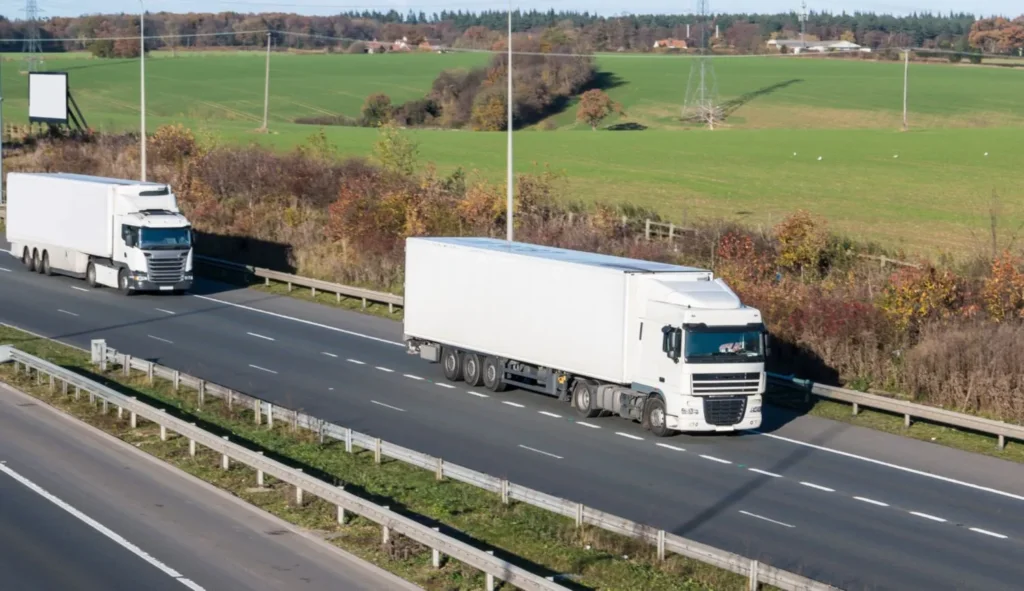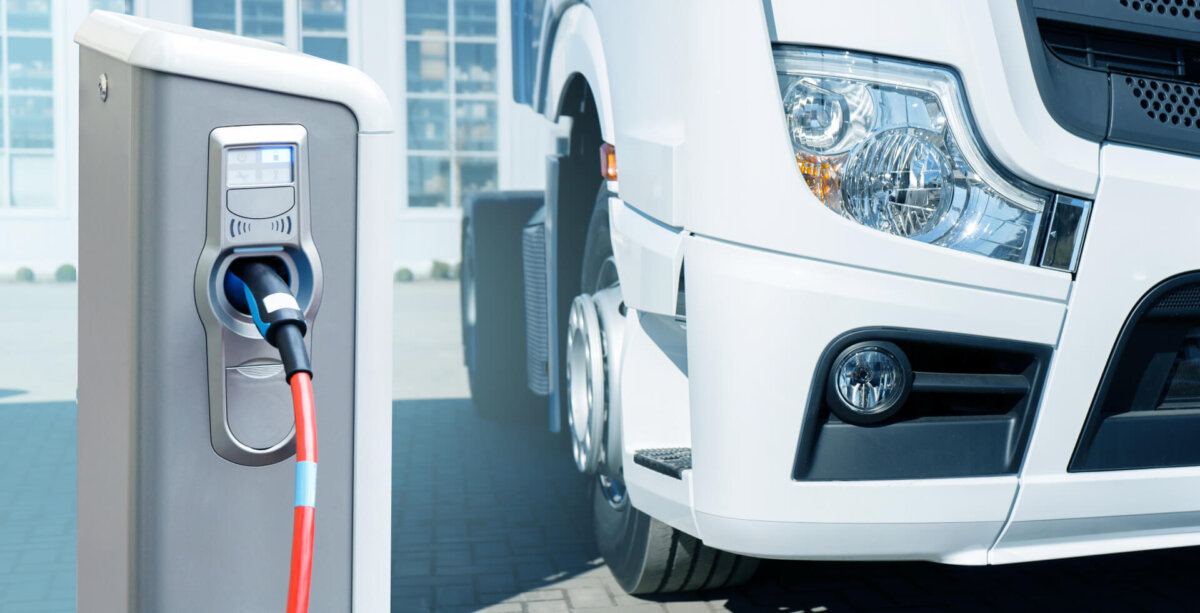

Electric trucks are gaining traction across Europe, but the charging network is still patchy when it comes to heavy-duty needs. Many fast chargers were designed with passenger cars in mind and can be difficult—or impossible—for trucks to use, whether because of low canopies, tight entrances or a lack of space to manoeuvre.
DKV Mobility says it is responding to that gap with a new product for road freight: the DKV Card + Charge Truck. According to the company, the card provides access to more than 3,000 verified truck charging points across 17 European countries—targeting transport operators that are beginning to add electric trucks to their fleets.
Public truck charging is still the weak link
DKV Mobility says every truck charging location in its network is checked against minimum requirements. These include a clearance height of at least four metres, an access width of at least 2.7 metres, and enough room for vehicles from nine metres in length.
The company adds that more than 80 percent of the 3,000-plus locations offer charging power above 300 kilowatts. For long-haul operations, high power is critical to keep downtime as short as possible.
At the same time, the launch underlines how challenging public charging remains for heavy vehicles. More fast-charging parks are appearing along key corridors, but many sites are still geared towards cars rather than trucks.
Built for mixed fleets
DKV positions the new card primarily for operators running a blend of drivetrains. The company says the same card can be used to charge electric trucks and to settle conventional fuel purchases. It also plans to fold in additional services such as washing, parking, tyre services and repairs.
Sven Mehringer, Managing Director at DKV Mobility responsible for Energy & Vehicle Services, said in a company statement:
“Supplying energy to commercial vehicles is becoming more complex—with more drivetrains, more providers and more billing systems. The DKV Card + Charge Truck is our answer: one card for all drivetrains, all services, and a single invoice.”
For many carriers, the biggest appeal will likely be simpler billing. Companies running diesel trucks alongside early electric additions often have to juggle multiple charging providers, tariffs and roaming setups.
More certainty for planning—but pricing is still unclear
DKV says drivers and dispatch teams will be able to see real-time information in the app, including prices, charging power and availability—intended to make route planning for electric trucks easier.
Tim Dambor, Director Product Management eMobility Roaming at DKV Mobility, said:
“For e-truck drivers and dispatchers, reliability is what matters most. With our verified network and real-time view in the app, both know: the next station can be reached, and the vehicle can actually charge there.”
What DKV has not yet clarified is how competitive the announced charging tariffs will be. The company has not published specific prices, saying only that conditions should be more favourable than paying directly at individual charging points. In the industry, however, roaming offers are often seen as more expensive than tailor-made direct contracts.
Competition for truck charging and fleet services is heating up
As electric mobility in road freight scales up, the race to secure charging access and fleet services is intensifying. More providers are trying to stake out an early position in the emerging market for public truck charging.
DKV Mobility is betting on a pan-European roaming and service model aimed at mixed fleets. In the market for fuel, charging and fleet cards, it faces competition including Aral Fleet Solutions, UTA Edenred and Eurowag, all of which are expanding combined fuel and EV offerings. Aral pulse and Aral Fleet Solutions, however, currently focus more on their own charging network and less on a Europe-wide verified truck charging network.
In parallel, energy companies and infrastructure operators are investing heavily in public fast-charging for heavy commercial vehicles. Players include EnBW, E.ON, Shell Recharge and the joint venture Milence, backed by Daimler Truck, Volvo Group and Traton. Milence is primarily focused on building its own charging hubs along major European freight corridors, rather than offering classic fleet or billing solutions.
For transport operators, that means more choice—but also more complexity. Different roaming models, tariff structures, coverage footprints and access systems still make it difficult in many places to plan long-haul electric truck operations on a sound economic basis.
EU climate requirements are adding further pressure. Through the AFIR regulation, the EU is pushing for a dense fast-charging network along key transport routes. At the same time, more shippers are demanding lower-emission supply chains and robust carbon dioxide reporting.
In this context, DKV points out that charging sessions in its network are accounted for as 100 percent powered by electricity from renewable sources, based on guarantees of origin for green electricity.
DKV says the DKV Card + Charge Truck is available across Europe with immediate effect. Whether offerings like this become the standard will likely depend above all on how quickly Europe’s public truck charging infrastructure expands in practice.
Companies running diesel trucks alongside early electric additions often have to juggle multiple charging providers, tariffs and roaming setups—often across several workflows.