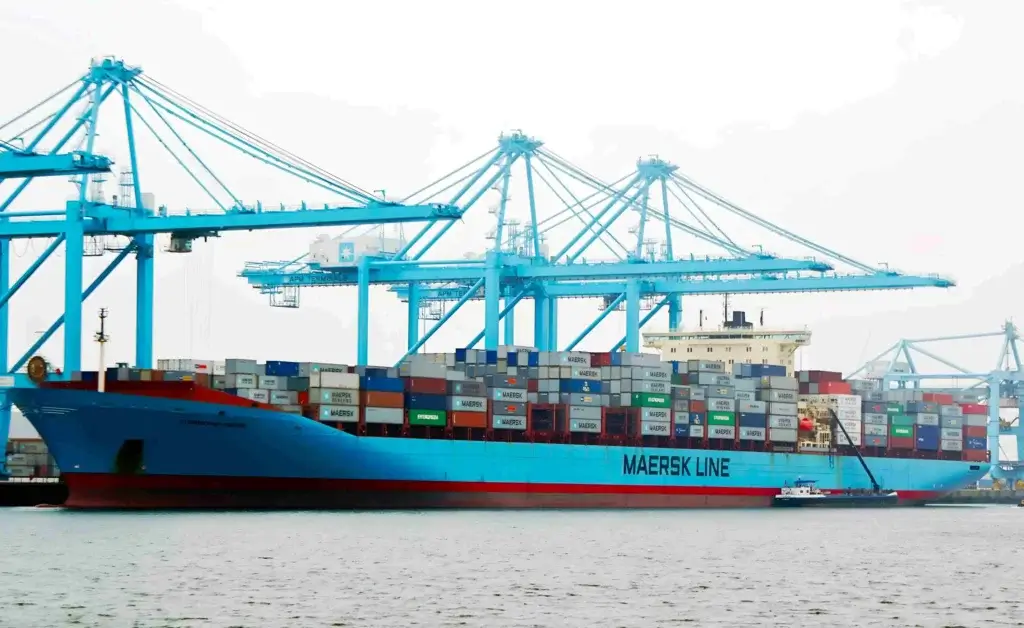
According to CAPMAS figures reported by Bloomberg, 529 tankers passed through the Suez Canal in April 2026, up 28% year on year. Total vessel traffic reached 1,182 ships, a 14% increase compared with April 2025. Canal revenues also rose, reaching $419m in April, up 27% year on year and the highest monthly level since early 2024.
The increase reflects the impact of disruption at another critical maritime chokepoint: the Strait of Hormuz. Restrictions on navigation through the strait have pushed Gulf exporters to use alternative routes for oil and cargo movements.
Saudi Arabia has redirected part of its exports through Red Sea ports, including Yanbu, using pipeline infrastructure to move crude from the Gulf side of the country to the west coast. From there, cargoes can be shipped onwards through the Suez Canal. Other countries in the region have also shifted some flows towards Saudi ports and overland routes as they seek to maintain exports and imports despite the disruption in the Gulf.
Mohamed Abu Basha, head of macroeconomic analysis at EFG Hermes, told Bloomberg that the Suez Canal had become an “unexpected net beneficiary” of the latest regional conflict. He said Jeddah had become a “lifeline” not only for Saudi Arabia but also for the wider Gulf Cooperation Council region, with the re-routing of cargo expected to feed gradually into Suez Canal revenues.
The improvement comes after a severe downturn triggered by Houthi attacks in the Red Sea. Since late 2023, many shipping lines have avoided the route and diverted vessels around the Cape of Good Hope instead. Egyptian authorities have estimated that the disruption caused at least $9bn in lost potential canal revenue.
Despite the April increase, the canal remains far from pre-crisis levels. In April 2023, around 2,300 ships passed through the Suez Canal, almost twice the number recorded in April 2026.
Further recovery will depend largely on the security situation in the Middle East. The restrictions around Hormuz are currently increasing the importance of Suez as an alternative route for energy and cargo flows, but any renewed deterioration in Red Sea security could again weigh on traffic.


![Costs up 11%, rates up 5%: FarEye’s Suryansh Jalan on the hidden “inefficiency tax” in Europe’s last mile [INTERVIEW]](https://cdn-trans.info/uploads/2026/10/264940df8e8870b74281e69aeac-1024x769.webp)