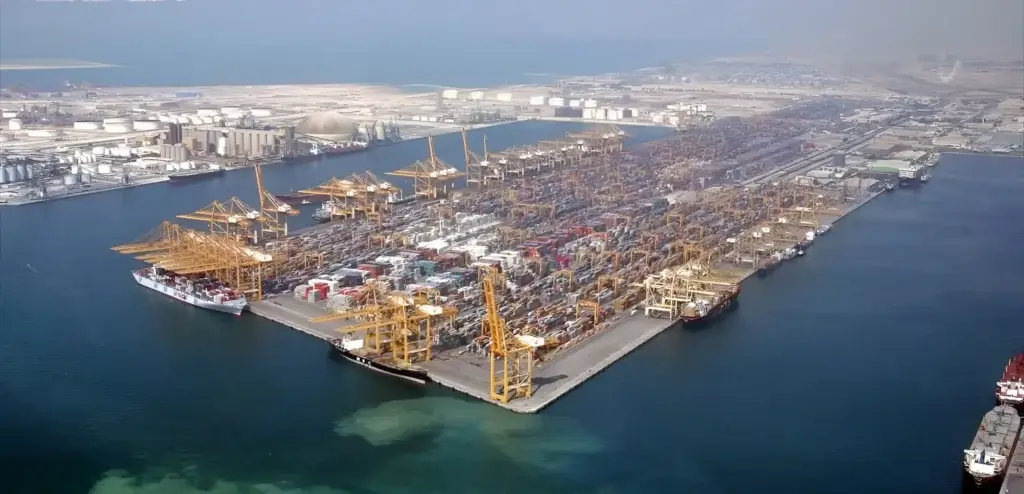
Ma’aden normally ships mineral products from Gulf ports through the Hormuz Strait. The conflict with Iran has pushed exporters to find alternatives, the paper said.
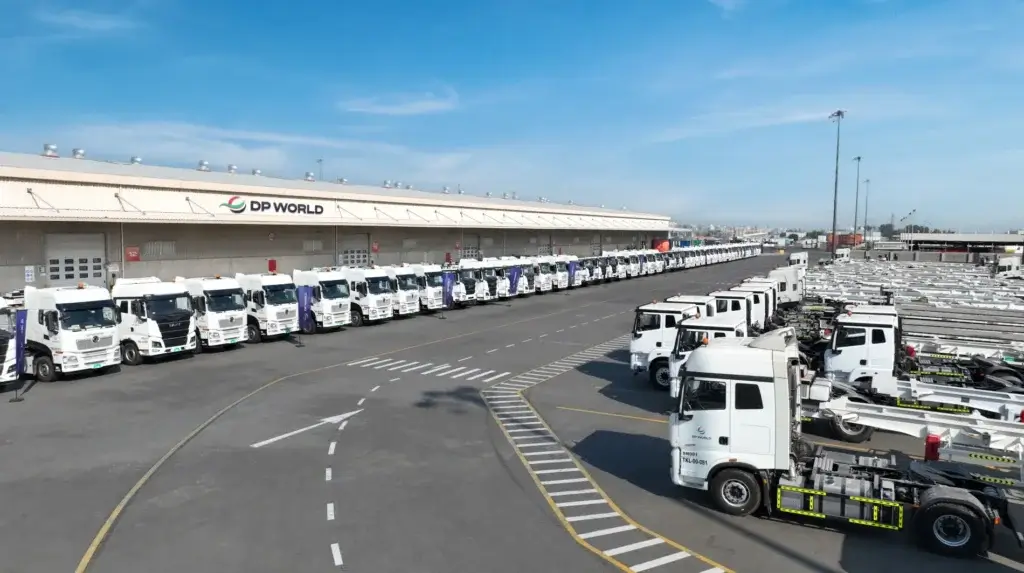
Chief executive Bob Wilt told the Wall Street Journal that the fleet grew from 600 trucks to 1,600, then 2,000, and now to around 3,500. The vehicles run mostly around the clock, with two drivers each. Ma’aden organised the new route within two weeks, dispatching executives to Red Sea ports and signing up rail and truck operators. The company aims to clear its export backlog by the end of May.
The route is costly. Many trucks return empty from the port, Wilt said, although higher commodity prices have absorbed the additional transport expense. Ma’aden has also put up prefabricated warehouses along the corridor and adapted equipment to move sulphuric acid, a key input in phosphate production, in stainless-steel tanker trucks.
Red Sea route could outlast the emergency
The shift is not confined to Ma’aden. Ports, railways and roads in Saudi Arabia, the United Arab Emirates and Oman are being used as alternative corridors to reduce dependence on Hormuz, according to the Wall Street Journal.
Phosphate cargoes from the Red Sea port of Yanbu have already reached Djibouti, Thailand and Argentina, vessel-tracking firm Kpler told the paper. If the Red Sea route becomes permanent, it could also alter how Gulf fertiliser cargoes move into export markets, shifting more pressure onto inland transport and port capacity.
Wilt indicated Ma’aden wants to keep the option open beyond the current emergency.
“We’ve demonstrated our capabilities. Let’s harden this and always have a route to the Red Sea,” he told the Wall Street Journal.