New analysis from Logistics UK shows just how far a traditional festive meal travels before reaching UK households. Add together the journeys of the turkey, vegetables, spices, fruits and desserts, and the total distance comes to almost 65,000 km, the equivalent of circling the globe one and a half times.
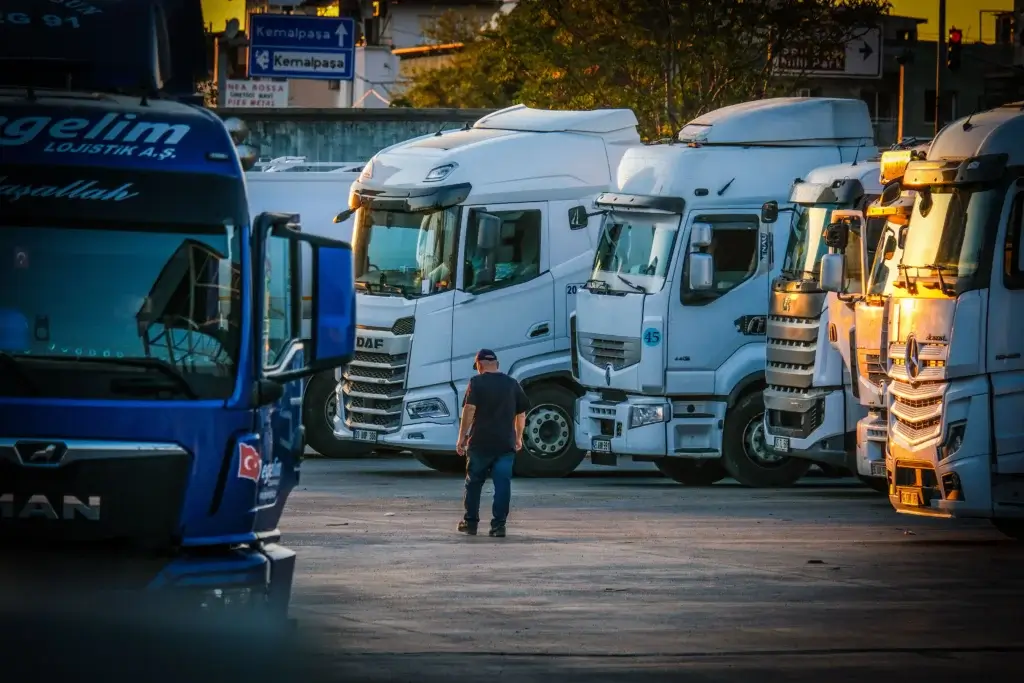
For the logistics workforce, especially lorry drivers, the picture is a familiar one: an enormous amount of unseen work goes into making sure Christmas happens on time.
A global operation that starts long before December
The research tracks the long chain of ingredients that make up a British Christmas dinner. Some of them begin their journey in spring or early summer, when spices such as nutmeg, cloves and cinnamon leave Indonesia, Sri Lanka and India on voyages lasting up to ten weeks. Without these, Christmas pudding and cake would be missing the flavours most people associate with the season.
Other ingredients take different routes. Cranberries travel from the USA and Canada. Chocolate components arrive from West Africa and South America. Sugar may come from Brazil. Each item has its own timeline, route and handling requirements — but all eventually depend on road haulage to complete their final miles into warehouses, distribution centres and supermarkets.
At the opposite end of the spectrum are the Brussels sprouts. Grown mainly in the UK, Belgium and the Netherlands, they are by far the shortest travellers, covering roughly 400 km before reaching the shelves.
The work that keeps Christmas moving
Logistics UK’s Acting Chief Executive Kevin Green says the industry is so effective that most people never notice the scale of what it delivers.
“The logistics sector works around the clock all year, but its efficiency means it often goes unseen,” he said. “Working behind the scenes to keep trade moving, logistics workers are the magic that delivers Christmas.”
For drivers, this period is one of the toughest of the year. Shorter daylight hours, busier roads, seasonal delays, pressure on delivery windows and shortages of safe overnight parking all make December a demanding month. Yet the shelves remain stocked, retailers avoid shortages, and millions of households sit down to a meal that has relied on months of preparation and thousands of miles of transport.
How far Christmas dinner travels
(Source: Logistics UK)
| Ingredient | Country of Origin | Approx. Distance if Imported | Logistics Lead Time |
| Turkey | UK / EU / USA | 1,000–6,800 km | 2–4 weeks |
| Brussel sprouts | UK / Netherlands / Belgium | ~400 km | 1–2 weeks |
| Roast potatoes | UK / France | 500–1,000 km | 1–2 weeks |
| Carrots & parsnips | UK / Netherlands / Spain | 500–1,000 km | 1–2 weeks |
| Stuffing ingredients | UK / EU | 500–1,000 km | 1–2 weeks |
| Pigs in blankets | UK / Netherlands / Denmark | 500–750 km | 1–2 weeks |
| Gravy ingredients | UK / EU | 500–1,000 km | 1–2 weeks |
| Cranberry sauce | USA / Canada / Eastern Europe | 1,000–6,800 km | 3–6 weeks |
| Raisins, currants, sultanas | Turkey / Greece / South Africa | 2,800–9,600 km | 4–6 weeks |
| Citrus peel | Spain / Italy / India | 1,000–7,500 km | 2–4 weeks |
| Spices (nutmeg, cloves, cinnamon) | Indonesia / Sri Lanka / India | 7,500–10,000 km | 6–10 weeks |
| Flour | UK / EU | 500–1,000 km | 1–2 weeks |
| Sugar | UK / Brazil | Up to 8,500 km | 2–4 weeks |
| Brandy | France / Spain / UK | 500–1,000 km | 4–6 weeks |
| Chocolate | Ghana / Ivory Coast / South America | 4,500–7,000 km | 6–12 weeks |
| Brandy butter | UK / France | 500–1,000 km | 1–3 weeks |
More than a meal. A reminder of unseen work
What this data makes clear is that the Christmas meal is not just a collection of ingredients. It is the end point of a long global operation involving growers, producers, warehouse teams, port staff and thousands of professional drivers who move goods through every stage of the chain.
Green says the preparation ensures that “the only empty plates on 25 December are the ones that have been eaten.”
For drivers, it is also a reminder of the role they play in keeping the country supplied — not only at Christmas, but all year round.