
In a letter dated 15 July, committee chair Ruth Cadbury MP told Transport Secretary Heidi Alexander that the removal of driver facilities from the project was “disappointing”, particularly when Britain is already estimated to be short of 11,000 HGV parking spaces.
The government has previously said there is “no requirement” to include a rest and service area within the crossing scheme. Early plans did include one, but it was later removed “following a consultation”.

MPs are not satisfied that this fully explains the decision.
The problem in numbers
The Road Haulage Association told the committee in March that Britain faces an estimated shortage of 11,000 HGV parking spaces. According to the committee, the lack of capacity means drivers are often forced to park in unsafe or unsuitable locations.
The problem is not new. A previous Transport Committee report concluded that many existing driver facilities were unfit for purpose and described the process of developing new service and rest areas as “tortuous”.
Cadbury said it was therefore particularly disappointing that facilities had not been included in a major new road scheme, especially when provision in south-east England is already considered insufficient.
Planning rules recognise the need for lorry parking
The National Planning Policy Framework says planning decisions should recognise the importance of adequate overnight lorry parking, take account of local shortages and reduce the risk of drivers stopping in places without proper facilities.
Cadbury has asked the Department for Transport to explain how the decision to remove the Lower Thames Crossing service area was reached and what consideration was given to that guidance.
She also wants to know whether the decision was taken before the 2024 update to the planning framework, which says planning policies should identify suitable locations for freight and logistics.
The committee is also seeking an update on proposed changes to DfT Circular 01/2022, which could place greater emphasis on suitable HGV parking when planning decisions are made.
What MPs want the government to explain
The committee has asked the Transport Secretary to clarify:
- whether design standards merely establish the minimum provision required or prevent additional facilities from being included;
- what is known about the capacity and adequacy of existing service areas near the crossing;
- how much additional demand for HGV parking the new route is expected to create;
- how and why the original service-area proposal was removed;
- whether the government considered national planning guidance when making that decision;
- what progress has been made on updating its guidance for roadside facilities.
Cadbury also asked whether removing driver facilities from a project promoted by a government agency risks setting a poor example for developers and local authorities.
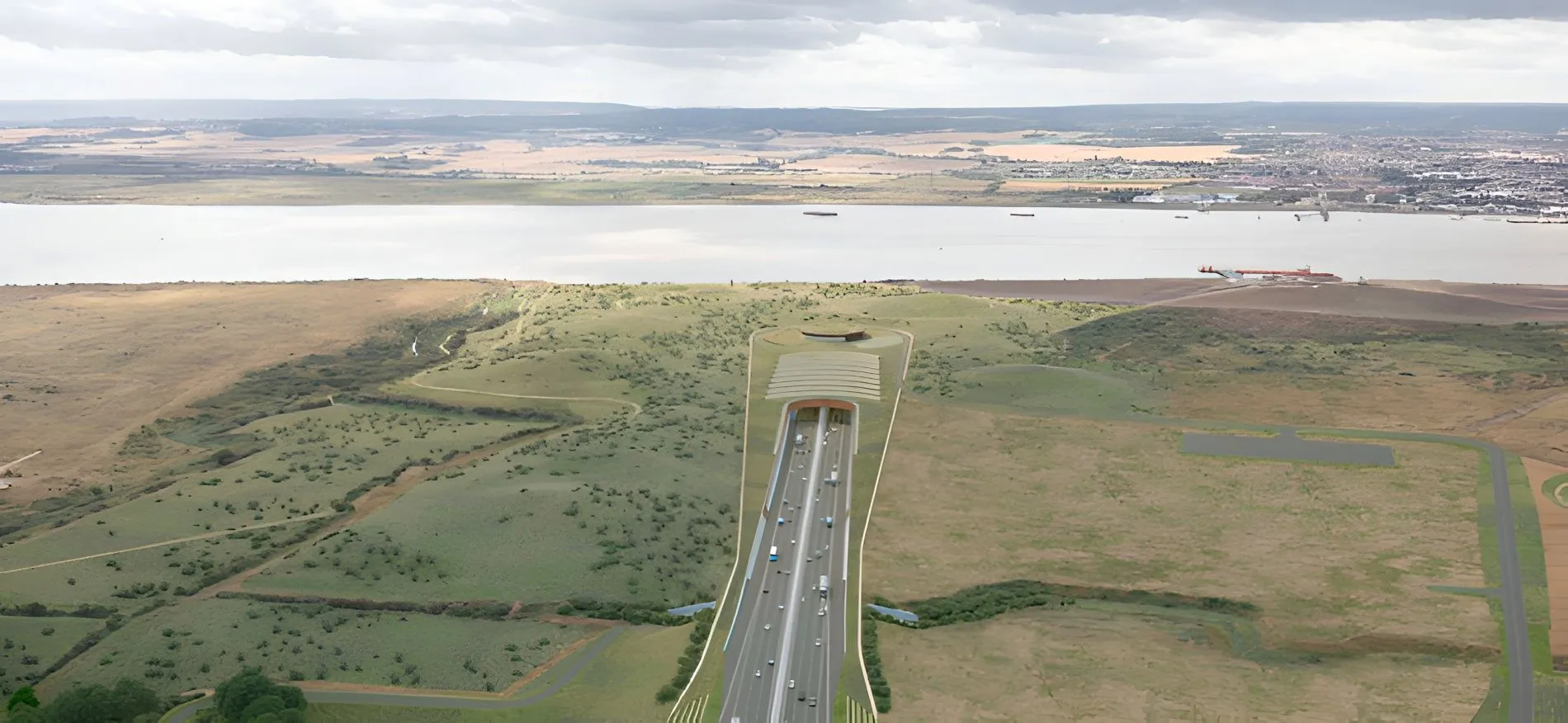
The Lower Thames Crossing will create a new 14.3-mile road between Kent and Essex, including two tunnels beneath the Thames. National Highways says it will almost double road capacity across the river east of London and provide a more reliable route for freight travelling between the Channel ports, the Midlands and northern England.
Yet the project itself will provide no dedicated place for lorry drivers to park, rest or access welfare facilities.
The committee has asked Alexander to respond by the time Parliament returns in September.