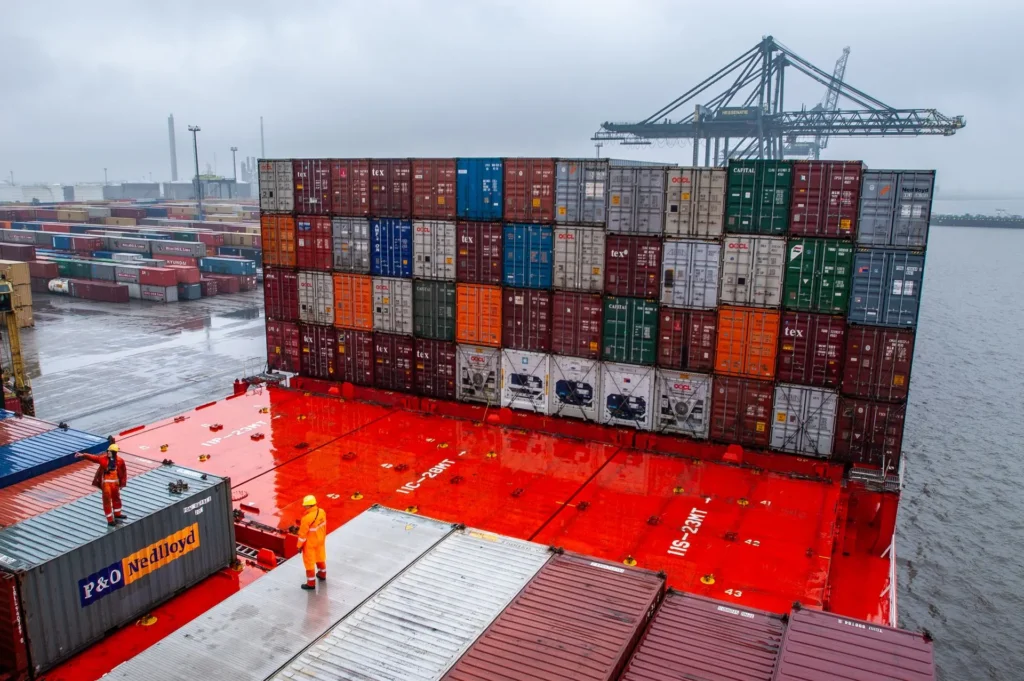
Under an advisory issued on 1 July, the draft will fall to 14.94 metres (49.0 feet) from 24 July, then to 14.78 metres (48.5 feet) from 15 August. It follows an earlier cut to 15.09 metres (49.5 feet) in Tropical Fresh Water, which took effect on 3 July.
The restriction applies to the larger Neopanamax locks used by container ships and other vessels too big for the original chambers. For carriers and shippers, the main impact is on loading: vessels running close to the maximum draft may need to trim cargo intake or adjust voyage planning.
The ACP said the reduction is part of its water management strategy to keep operations safe, reliable and sustainable under current hydrological conditions, citing the potential development of El Niño over the Canal watershed in the coming months. It has not announced any cut to daily transit capacity, and said it would continue monitoring lake levels and hydrological projections before deciding on further adjustments.
The move is a shift in tone after a period of relative stability following the severe drought disruption of 2023 and 2024. In May, the ACP said it had been tracking the El Niño scenario since late 2025 and had kept Gatun Lake at historically high levels; at that point, its data did not point to a need for transit restrictions through the end of 2026, with the Canal still running 38 daily transits.
Water-saving measures have been in place since late 2025, among them simultaneous lockages where vessel dimensions allow, water-saving basins at the Neopanamax locks, use of interior gates to cut the water needed to fill chambers, and the temporary suspension of hydroelectric generation at Gatun to prioritise water storage.
The draft cuts fall well short of the disruption seen in the previous drought, when transit restrictions and lower limits pushed some shippers to rethink routings. But they put Panama’s water situation back on the agenda for vessel planners, carriers and cargo owners using the route.