
El Niño is a naturally occurring warming of the central and eastern tropical Pacific Ocean that can alter weather patterns around the world, affecting rainfall, drought risk and temperatures in different regions.
NOAA’s Climate Prediction Center, the US government agency that monitors global climate patterns, has confirmed that El Niño is now present and is forecast to intensify through winter 2026–27, when the pattern typically has its strongest global impacts. Australia’s Bureau of Meteorology has separately declared the event underway in the tropical Pacific, and around half of current climate models indicate it could reach levels comparable with the strongest events recorded since 1950.
The immediate question is how quickly changes in agricultural output, energy demand or infrastructure availability feed into cargo flows, transport costs and customer behaviour. Saxo Bank investment strategist Ruben Dalfovo argues that El Niño should be seen as a global supply-chain stress test rather than only a regional weather event, with food, insurance and energy among the main market channels to watch.
Food: volatility more likely than shortage
Food supply chains are likely to be the first area of concern. El Niño can bring dry conditions to parts of Asia and Australia while increasing the risk of heavy rain across parts of the Americas, with past events affecting wheat, rice, palm oil, sugar, soybean and corn production.
The current picture is not straightforwardly one of shortage. High global inventories of wheat, rice, corn and soybeans could soften the impact of a production shock, and several major producing countries have improved irrigation, early planting and preparedness since previous El Niño cycles.
The more difficult risk is volatility. Even where global stocks are adequate, localised droughts or floods can alter trade flows, shift sourcing decisions and prompt governments to restrict exports.
India illustrates the point. Formerly the world’s second-largest sugar exporter, India is expected to remain largely absent from global sugar markets for at least the next three seasons, with El Niño-related pressure on monsoon rains combining with rising domestic ethanol demand to reduce the country’s exportable surplus.
Freight demand may shift before disruption is visible
The first effects may appear as changes in demand patterns. Lower crop yields in one region can increase import demand elsewhere, while strong inventories may delay buying decisions or change the timing of seasonal flows. Retailers, food processors and commodity traders may also adjust sourcing earlier than usual if weather risks begin to affect price expectations.
This can create uneven pressure across freight markets. Some routes may see reduced export volumes, while others see higher inbound flows, more storage demand or short-notice changes in booking patterns. For operators working with food, feed, fertiliser, refrigerated goods or agricultural inputs, the impact is likely to depend as much on customer behaviour as on the weather itself.
The risk is also contractual. Where transport contracts leave little room for sudden changes in fuel, storage, insurance or rerouting costs, weather-driven volatility can test margins before physical disruption becomes severe.
Infrastructure: Panama Canal in focus
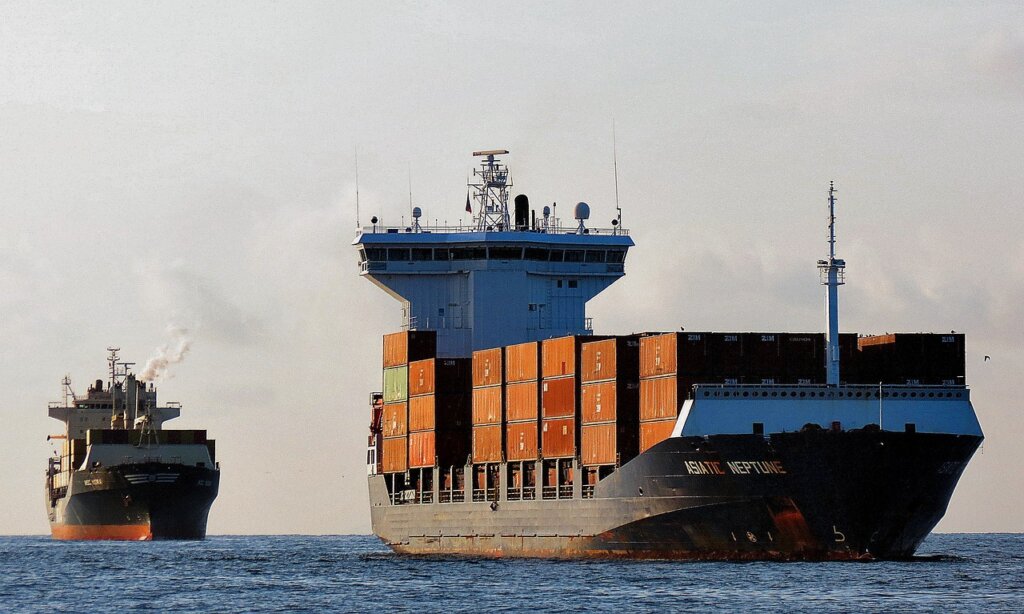
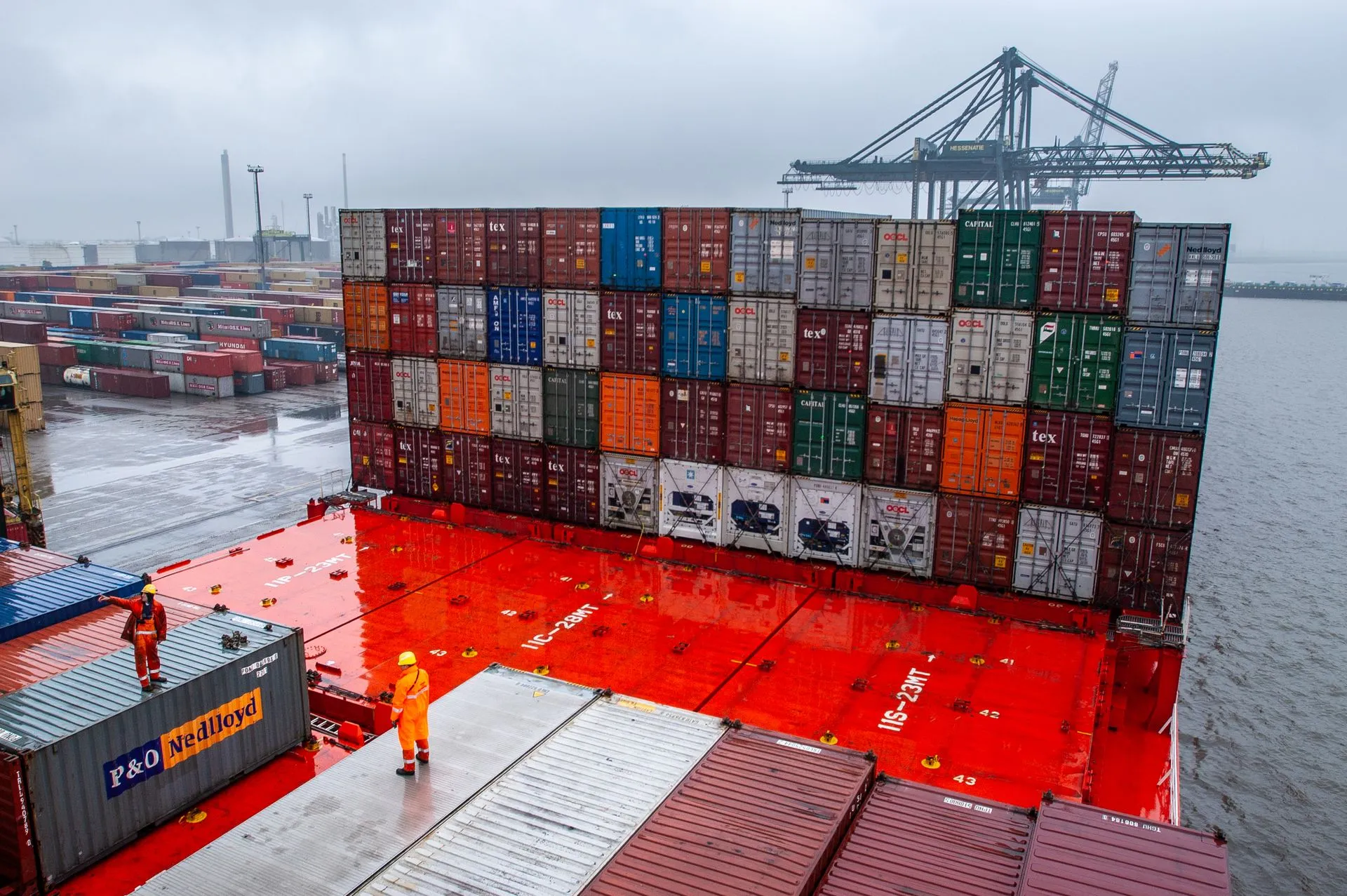
Transport infrastructure is a more direct exposure. The Panama Canal drought of 2023–24, which forced draft restrictions and caused congestion and rerouting across container shipping, was linked in part to El Niño conditions.
Reuters reported at the time that Panama experienced its third-driest year on record in 2023, forcing the canal authority to restrict both vessel size and the number of crossings. At points, more than 100 ships were waiting to transit, with delays of up to 21 days. The canal accounts for around 5% of global shipping.
A comparable disruption would again affect transit times, vessel capacity allocation and freight rates on key east–west trades. Even if restrictions are avoided, the previous drought showed how climate-related water stress can quickly become a capacity issue for global transport networks.
Inland river transport, ports exposed to storms or flooding, and agricultural export corridors are among the other infrastructure types that can become pressure points. The impact is likely to be uneven — some corridors may see little direct disruption, while others face sudden changes in volumes or operational risk.
Energy and insurance
Energy is a further channel. Shifts in weather patterns can reduce hydropower output in drought-affected regions, alter electricity demand and complicate fuel, mining and industrial supply chains. In some markets this feeds into higher energy costs or changed transport demand, particularly where cold chains, agricultural processing or energy-intensive production are exposed.
Insurance costs are also likely to come under scrutiny. More frequent or severe weather events can raise the cost of risk for cargo, assets and infrastructure, prompting closer attention to route planning, warehouse exposure and contingency capacity.
For warehouses and distribution centres, heatwaves, flooding and power constraints can affect labour productivity, cold-storage reliability, delivery windows and the availability of contingency space. These are operational issues rather than abstract climate risks.
Strong inventories reduce the risk of a global food shock but do not eliminate localised disruption, changed trade flows or sudden price movements. For operators and shippers, El Niño is a practical prompt to check whether contracts allow for volatility, whether sourcing is too concentrated in weather-exposed regions, and whether contingency capacity can be secured before disruption becomes visible in the market.