
In its Safety and Shipping Review 2026, Allianz Commercial says reported shipping incidents involving vessels over 100GT fell by around 16% last year, from 3,353 in 2024 to 2,818 in 2025.
Total losses also remained well below levels seen earlier in the past decade. Allianz says 43 total losses were reported in 2025, while the number of total losses over the past ten years reached 905. Between 2016 and 2020, the sector recorded an average of 111 total losses per year. Between 2021 and 2025, that fell to 70 per year, a decline of 37%.
The figures suggest that long-term safety improvements are continuing, supported by regulation, improved ship design, better technology and advances in risk management. However, Allianz warns that these gains are increasingly being tested by a changing risk landscape.
Thomas Lillelund, CEO of Allianz Commercial, said the industry is moving into a period where “higher volatility and uncertainty” will require a stronger focus on resilience rather than pure cost efficiency.
Machinery failure remains the biggest incident cause
Machinery damage or failure was the leading cause of shipping incidents in 2025, accounting for 1,505 cases, or more than half of the global total.
This was followed by vessel collision, with 260 incidents, and fire or explosion, with 218 incidents.
Allianz says the dominance of machinery-related incidents is particularly significant because repair costs have continued to rise and machinery claims inflation has not returned to pre-pandemic levels. The report also warns that conflict-driven supply chain disruption could make repairs more expensive and delay access to spare parts.
The issue is not limited to 2025. Over the past decade, machinery damage or failure accounted for 12,991 shipping incidents, representing 45% of the total.
Fires remain a major concern
Although the number of reported fire and explosion incidents fell from 255 in 2024 to 218 in 2025, Allianz says fires remain one of the main severity risks for the sector. The 2025 figure was still the second-highest total recorded over the past decade.
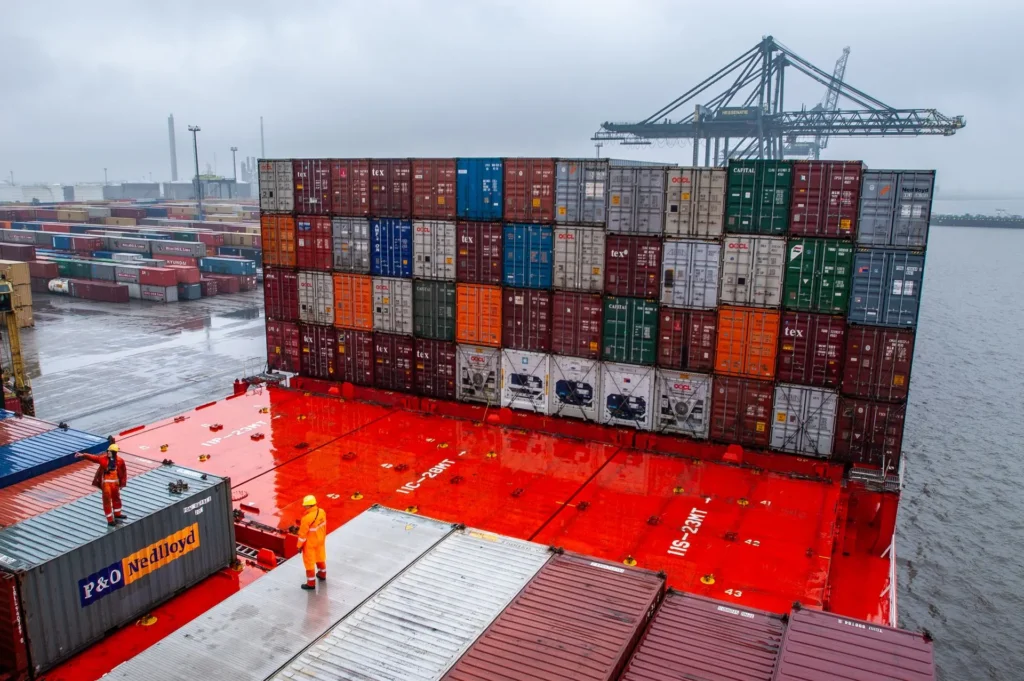
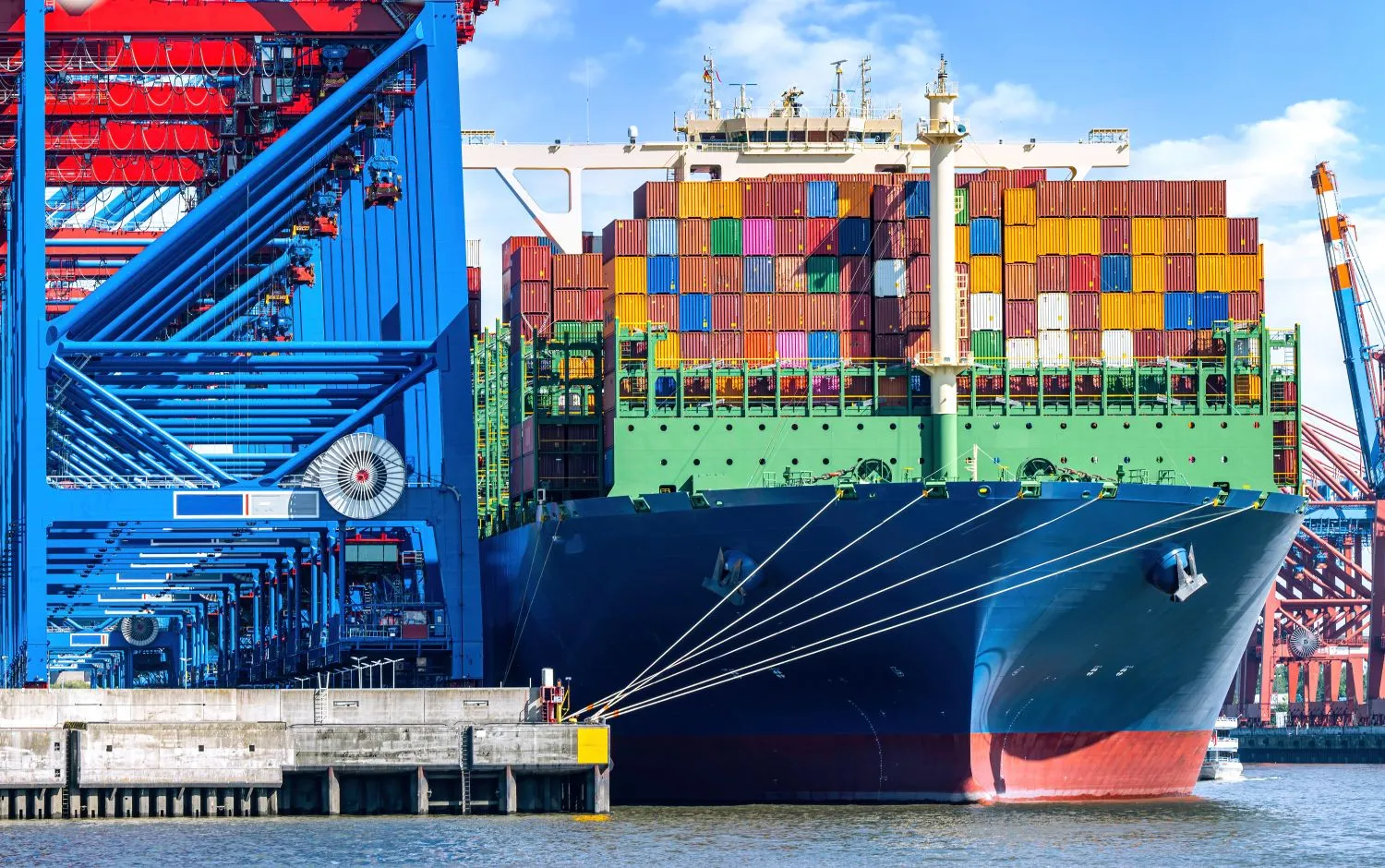
The report highlights the risk of fires on large container ships and car carriers, where vessel size can make firefighting and salvage more difficult. It also points to lithium-ion batteries, electric vehicles and misdeclared dangerous goods as continuing concerns.
According to Allianz, misdeclared cargo remains a major contributor to container ship fires. If hazardous cargo such as batteries or chemicals is not properly declared, documented or packed, containers may be stowed in unsuitable areas and firefighting efforts can become more difficult.
Technology is beginning to play a larger role in reducing this risk. Allianz points to cargo-screening initiatives using artificial intelligence to identify incorrectly declared or labelled container bookings.
Risk hotspots shift, but busy trade lanes remain exposed
The East Mediterranean and Black Sea recorded the highest number of shipping incidents in 2025, with 622 cases. The British Isles, North Sea, English Channel and Bay of Biscay followed closely with 619 incidents.
Over the past decade, however, the British Isles region remained the largest incident hotspot, with 5,953 reported incidents. This represented more than 20% of the global total.
For total losses, the main hotspot over the past decade was South China, Indochina, Indonesia and the Philippines, with 255 losses. Allianz links this to the large volume of imports and exports moving through the region and the resulting high level of shipping traffic.
Cargo vessels were the ship type most often involved in total losses over the past decade, with 328 losses between 2016 and 2025.
Geopolitics becomes a core shipping risk
Beyond the safety statistics, Allianz argues that geopolitical disruption is now one of the central issues facing shipping.
The report says the sector has moved away from the more predictable operating conditions seen before the Covid-19 pandemic. Instead, shipping companies now have to manage conflict-driven route disruption, pressure on maritime chokepoints, energy price volatility, port congestion, climate-related disruption and growing regulatory costs.
Allianz says the closure of the Strait of Hormuz and attacks on vessels in the Red Sea have shown how quickly regional conflicts can affect global shipping networks. Rerouting vessels, longer transit times, higher fuel consumption and disrupted schedules have all added to operating pressure.
The insurer says this is pushing companies away from a purely “just-in-time” model and towards more resilient “just-in-case” supply chains.
Ageing vessels and cargo crime add further pressure
The report also warns that the average age of the global shipping fleet rose to 23 years in 2025. Vessels aged 20 years or more now account for almost a quarter of the global container ship fleet.
Older vessels can create additional safety risks because of structural wear, machinery problems and technological obsolescence. Allianz says vessels over 20 years old account for more than half of all safety incidents.
Cargo theft is another growing concern. Allianz says organised crime groups are increasingly using cyber tools, falsified documents and intelligence-led methods to target high-value goods and supply chain weaknesses.
The report says nearly 160,000 cargo crimes were recorded globally over a two-year period, with losses running into billions of euros. Allianz also reports a five-fold increase in cargo theft losses since late 2022.
Alternative fuels create new safety questions
The transition to lower-emission shipping is creating another layer of risk. Allianz says more than half of container ships on order in August 2025 were capable of using alternative fuels, such as LNG.
However, the report warns that regulation and liability frameworks have not yet fully caught up with the risks linked to alternative fuels. Ammonia, for example, can be used as a zero-emission fuel, but it is toxic and corrosive and requires specialist handling and crew training.
The growing number of dual-fuel vessels also increases the need for training. Allianz says these ships can be more complex to operate than conventional vessels, raising the risk of machinery breakdowns or human error if crews are unfamiliar with the required procedures.