Key points
- 154 HADECS cameras, covering about 10% of the strategic road network, are affected.
- Speeding data from the cameras stopped going to police on 17 October 2025.
- Around 2,650 wrong activations have been identified since 2021.
- Tens of thousands of speed awareness courses and thousands of fines and prosecutions were cancelled.
- Police still enforce speed limits by other means, so a quiet camera is not a free pass.
A 10-second gap that wrongly caught drivers
The fault affects HADECS cameras on stretches where the speed limit is shown on overhead signs and changes with traffic. When the limit on the gantry changed, some cameras kept using the old limit for a short time. Drivers who had already slowed down or sped up correctly could therefore be recorded as speeding. Reports put that window at around 10 seconds.
In a written statement to Parliament on 16 December 2025, the government said National Highways stopped passing camera data to police forces on 17 October 2025, after the anomaly was found. Police then cancelled tens of thousands of speed awareness course referrals and discontinued thousands of fixed penalty notices and prosecutions. Drivers who had already paid a fine or taken a course were told they would be contacted.
The terms of reference of the independent review, published on 19 January 2026, said 154 cameras were affected. They cover about 10% of the strategic road network, with around 2,650 wrong activations identified since 2021. The review, led by Tracey Westall, was to take “at least 18 weeks”.
Fix announced, enforcement still waiting
National Highways said a fix is being rolled out to the affected cameras. Ministers have since told MPs that the technical solution is still being tested before the cameras are allowed to enforce variable limits again. The review’s findings have not yet been made public, and the issue has been raised in the House of Commons.
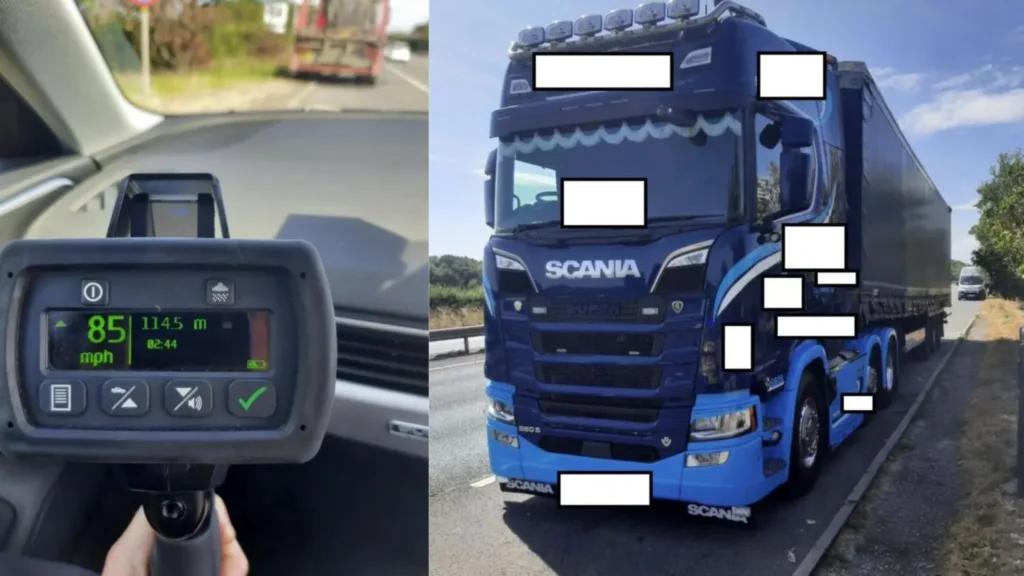
The cameras have not been switched off. National Highways says offences continue to be detected and prosecuted, and police use mobile cameras, patrols and other methods on smart motorways.
trans.info first reported on the camera error in January.
What it means for lorry drivers
Most HGVs are limited to 56 mph by their speed limiters, but variable limits on smart motorways often drop to 50 or 40 mph during congestion, roadworks or incidents. That is exactly when the affected cameras should be checking speeds.
For transport operators, the message is simple:
- Variable limits still apply in law. A camera that does not issue tickets today does not change the limit on the gantry.
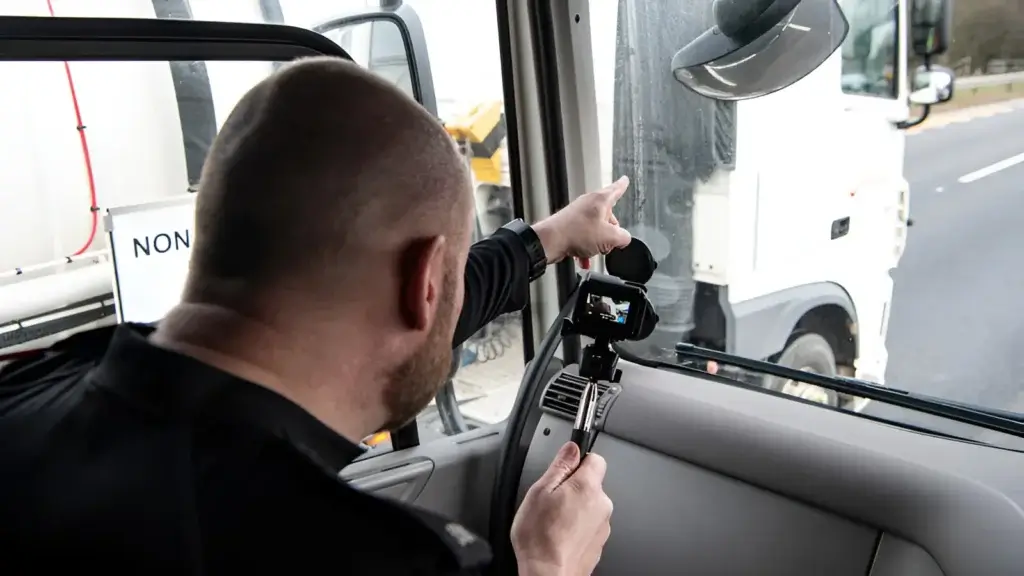
- Police can still prosecute. Mobile units and unmarked patrols work on the same roads, and Operation Tramline cabs look into lorry cabs from above.
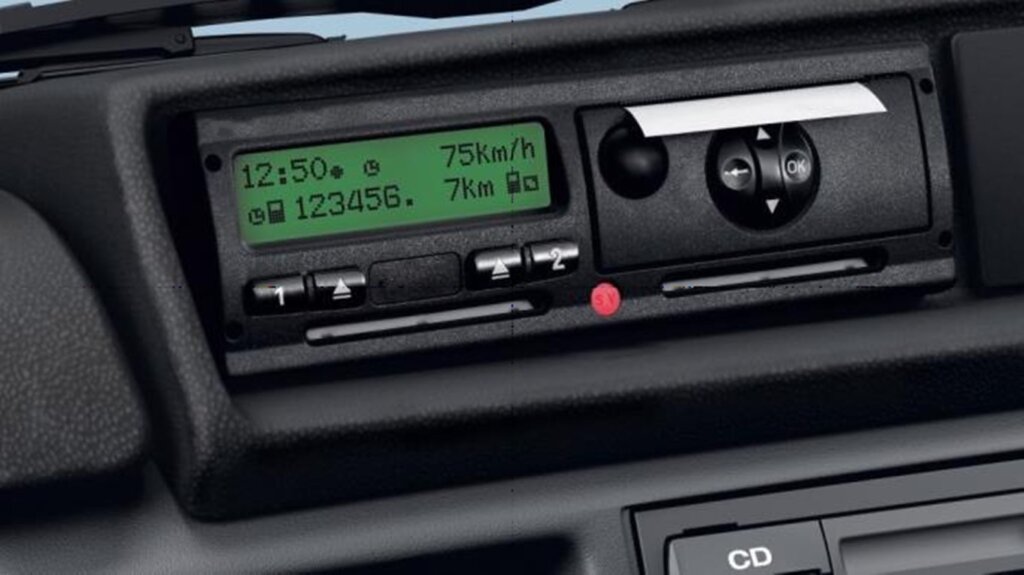
- Telematics and tachograph data show speed. Many operators track how drivers behave on variable-limit stretches, and so can insurers after a crash.
- Points matter more for professionals. Speeding offences go on the driving licence, and a run of offences can bring a driver before the traffic commissioner.
Smart motorways remain under pressure
The camera fault adds to a long debate about smart motorways. The UK government cancelled all new smart motorway schemes in 2023, citing cost and a lack of public confidence. Existing stretches stay in use, and their safety depends on drivers respecting red X signs and variable limits.
The fault also raises a simple question: how many drivers who were wrongly flagged have still not been contacted? Until the review is published, there is no full public answer.