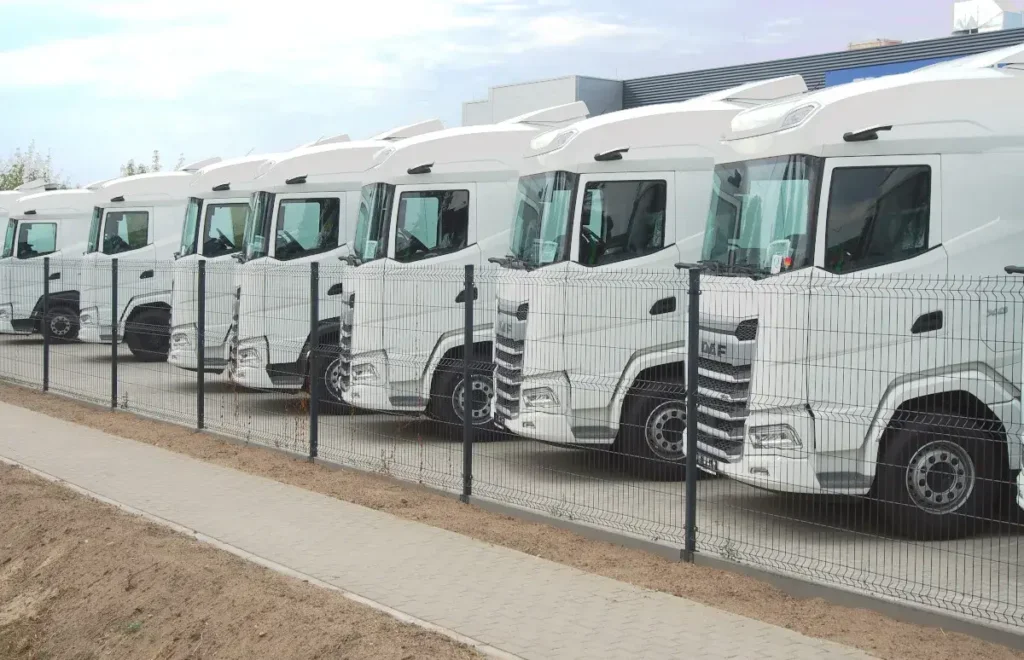
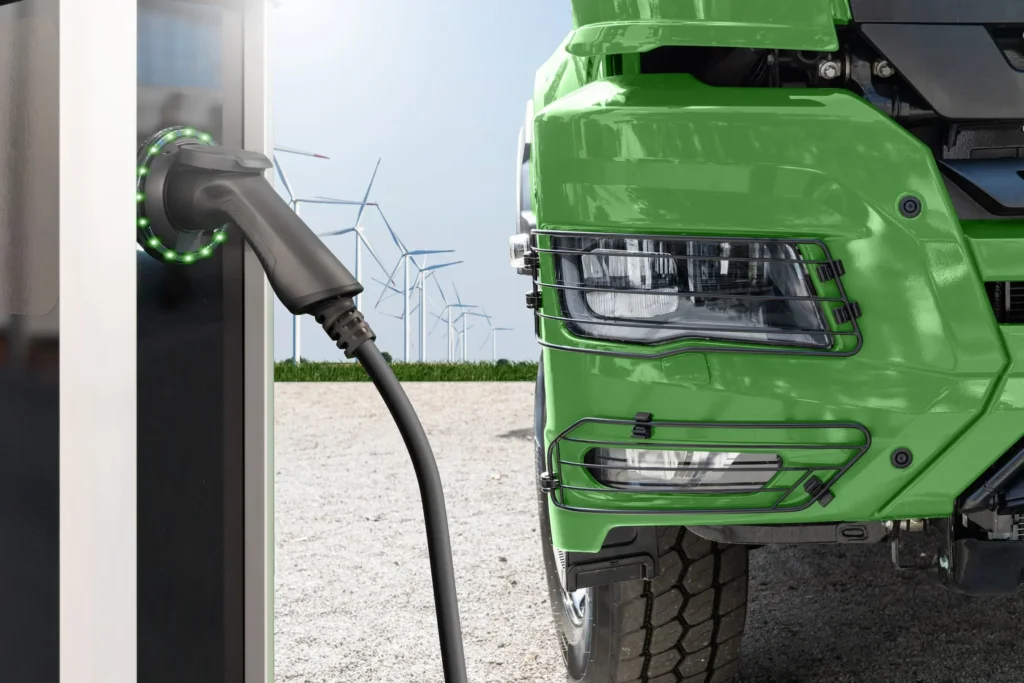
The HyHaul project formed part of the UK’s Zero Emission HGV and Infrastructure Demonstrator (ZEHID) programme. It aimed to deploy up to 30 hydrogen fuel cell electric trucks, supported by dedicated hydrogen refuelling infrastructure along the M4 corridor. The initiative was intended to test the commercial and operational viability of hydrogen for long-distance and heavy-duty road transport.
Why was the hydrogen HGV project halted despite infrastructure progress
In a public statement published on 15 December, HyHaul Mobility said the project was brought to an end after failing to meet milestones within the customer and fleet leasing work package. While progress had been delivered across programme management, hydrogen refuelling infrastructure, data and digital systems, and exploitation activities, the consortium was unable to secure a sufficient number of signed customer contracts for fuel cell HGVs within the grant’s fixed timeline.
HyHaul said that more than 100 potential customers had been engaged during the programme, representing 192 trucks, and that multiple letters of intent, memorandums of understanding and letters of support had been signed. However, these did not translate into binding contracts within the timeframe required by the grant, leading Innovate UK and the Department for Transport (DfT) to end a key element of the funding.
Read more: EU realises Euro 7 truck rules went too far
Why fleet interest failed to turn into signed contracts
Novuna Vehicle Solutions, the fleet leasing partner in the project, said that participation became financially unviable for many operators despite sustained efforts to bring fleets on board.
According to Novuna, the high cost of hydrogen fuel, combined with the withdrawal of government grants that would have offset most leasing costs, prevented fleet interest from converting into signed contracts. The company said that, in the current economic climate, these factors significantly undermined the commercial case for operators considering hydrogen HGVs.
Novuna added that it remains committed to supporting zero-emission mobility in the heavy-duty transport sector, including hydrogen, where solutions are commercially and operationally sustainable.
When timelines, fuel costs and risk collide
While HyHaul emphasised the impact of fixed grant timelines on the project’s outcome, Novuna highlighted hydrogen fuel pricing and funding uncertainty as the decisive barriers for fleets. Together, the responses suggest that although interest in hydrogen HGVs exists, the business case remains fragile under current market conditions.
HyHaul also pointed to broader pressures across the energy transition sector, noting that delays and cancellations in battery-electric vehicle projects over the past 18 months had affected confidence and decision-making across the broader zero-emission HGV landscape.
ZEHID programme to continue despite HyHaul setback
Innovate UK said the wider ZEHID programme remains on track, with around 300 zero-emission vehicles and more than 70 infrastructure sites expected to be deployed by spring 2026. A spokesperson described setbacks as an inherent risk of pioneering decarbonisation projects and said lessons learned from HyHaul’s participation would inform and strengthen future initiatives.
Innovate UK did not comment on the specific funding or commercial issues raised by Novuna regarding hydrogen fuel costs or the withdrawal of grants.
Industry warns of wider impact on decarbonisation efforts
The Road Haulage Association (RHA) said the project’s closure was a setback for decarbonisation efforts, warning that high costs and limited infrastructure continue to hold back the uptake of zero-emission HGVs, particularly for long-distance and heavy-haul operations. The organisation said it remains committed to working with government and industry to support viable pathways to decarbonising road freight.
For operators, the project’s collapse reinforces concerns about committing capital to technologies where fuel prices, infrastructure availability and public support remain uncertain.


![Costs up 11%, rates up 5%: FarEye’s Suryansh Jalan on the hidden “inefficiency tax” in Europe’s last mile [INTERVIEW]](https://cdn-trans.info/uploads/2026/10/264940df8e8870b74281e69aeac-1024x769.webp)