The European Commission has dropped plans to introduce mandatory electrification quotas for corporate truck fleets, retreating from one of the most controversial ideas discussed in recent months under the Greening Corporate Fleets initiative.
The shift is confirmed in the Commission’s Automotive Package, presented on 16 December, which outlines the EU’s current strategy for decarbonising road transport while maintaining competitiveness in the automotive and logistics sectors.
The package is particularly relevant for hauliers because it clarifies two highly sensitive issues at once:
mandatory fleet electrification and the future of CO₂ emission rules.
Mandatory electric truck quotas abandoned
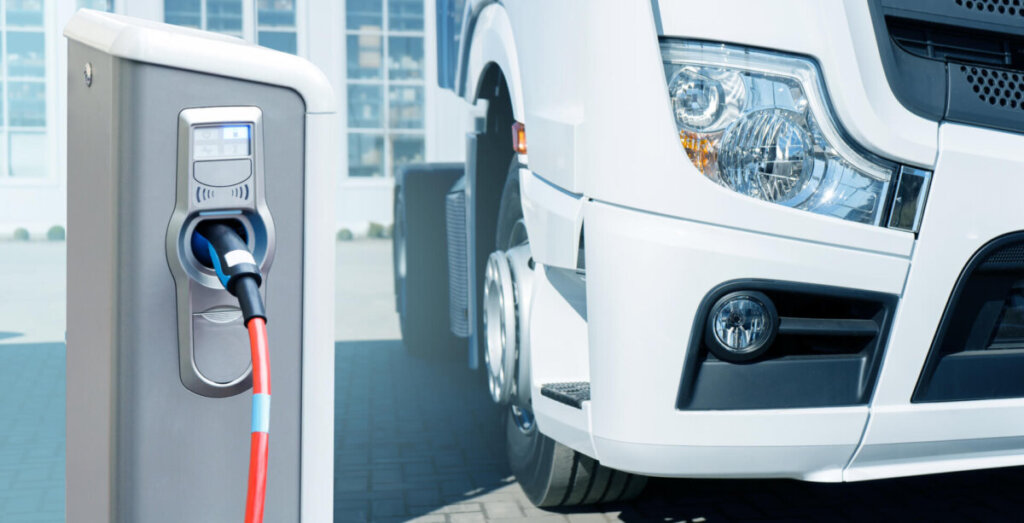
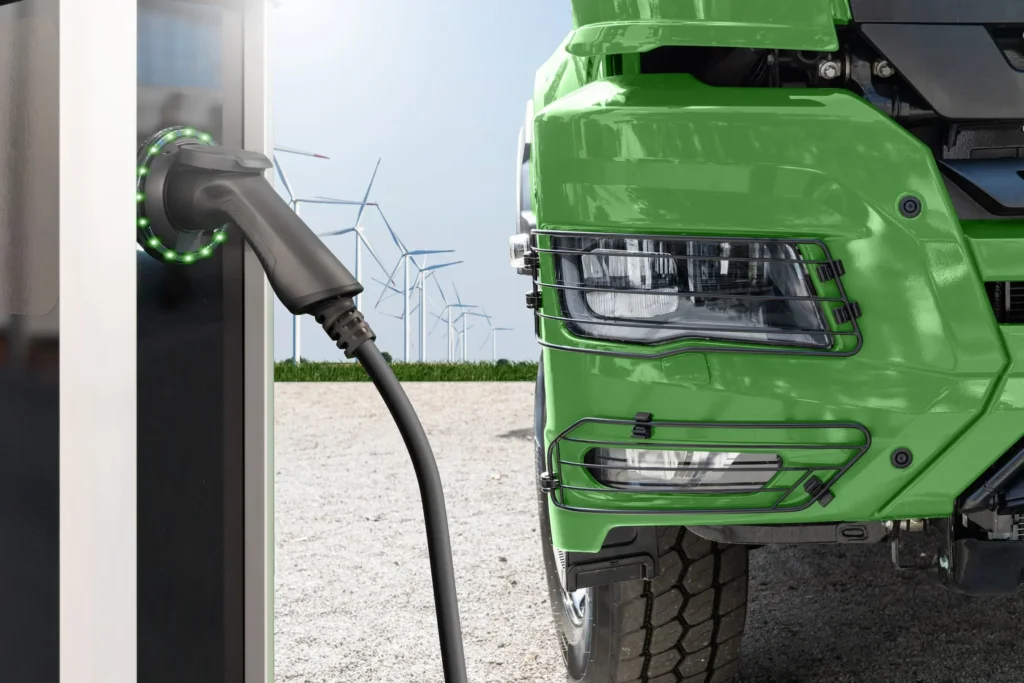
In earlier policy discussions, the Commission had explored whether companies should be obliged to replace a fixed share of their fleets with zero-emission vehicles, including trucks. This idea, framed under Greening Corporate Fleets, triggered strong resistance across the transport sector.
More than 5,000 companies formally protested against the proposal, warning that forcing hauliers to purchase electric trucks without adequate charging infrastructure, grid capacity or vehicle availability would undermine transport capacity and competitiveness.
In the final Automotive Package, the Commission does not introduce any EU-level obligation requiring transport companies to electrify a specific share of their truck fleets. Heavy-duty vehicles are explicitly excluded from mandatory corporate fleet replacement requirements.
Instead, the Commission acknowledges that the conditions for the large-scale electrification of trucks are not yet in place, particularly regarding depot and public charging, grid connections, and vehicle supply.
What happens to CO₂ emissions rules?
While the Commission has stepped back from mandatory fleet electrification, CO₂ emissions remain a central element of EU transport policy — but the Automotive Package brings important clarification.
Crucially for hauliers, the Commission confirms that:
- no new CO₂ emission limits are introduced, and
- existing CO₂ standards for cars, vans and heavy-duty vehicles remain unchanged.
For trucks, this means that the already agreed CO₂ reduction targets stay in force, but no additional tightening is introduced through this package. Just as importantly, the Commission does not link compliance with CO₂ rules to mandatory electric vehicle purchases by fleets.
This marks a clear break with earlier fears that CO₂ policy would be enforced indirectly by obliging transport companies to buy electric trucks regardless of operational feasibility.
Read more: EU realises Euro 7 truck rules went too far
CO₂ targets and fleet policy separated
One of the key messages of the Automotive Package is that CO₂ regulation and fleet greening are treated as separate policy tools.
The Commission continues to rely on:
-
- vehicle manufacturers’ CO₂ targets,
- infrastructure rollout, and
- financial incentives at national level
to drive emissions reductions, rather than imposing purchase mandates on hauliers.
In the Commission’s own assessment, the current market for zero-emission heavy-duty vehicles is still constrained by:
- insufficient charging and refuelling infrastructure,
- limited grid capacity in many regions, and
- high acquisition and operational costs.
Against this background, forcing fleet replacement would risk disrupting supply chains rather than reducing emissions, the Commission argues.
National targets instead of company obligations
Rather than binding rules for individual companies, the package proposes that Member States set national targets to support the uptake of zero- and low-emission vehicles in corporate fleets.
These measures are mainly aimed at passenger cars and light commercial vehicles, where electrification is already more advanced. For trucks, the approach is limited to supportive measures, such as infrastructure funding and incentive schemes, leaving purchasing decisions to operators.
A clear policy retreat – at least for now
For the road transport sector, the message is clear:
mandatory electrification of truck fleets at EU level is no longer on the table.
At the same time, the Automotive Package confirms that CO₂ reduction remains an EU objective, but one that will — for now — be pursued through existing standards, infrastructure investment and national support schemes, rather than new obligations imposed on hauliers.
While the Commission leaves the door open to future policy revisions, the current package reflects a more cautious and pragmatic stance towards heavy-duty road transport, shaped by strong industry pressure and unresolved infrastructure challenges.