On 16 December 2025, the European Commission presented its long-anticipated automotive package, including an Automotive Omnibus proposal designed to reduce regulatory burden while keeping the EU’s climate objectives formally intact.
While the package is framed as an industrial and competitiveness initiative, several elements have direct implications for road transport operators, particularly in relation to electric vans and the practical implementation of Euro 7. What follows is a closer look at what is changing, why the Commission is acting now, and how these changes could affect operators in practice.
Euro 7: simplifying the burden without reopening the battle
The second key area for road transport lies in the implementation of Euro 7, not in its environmental targets themselves. After months of industry criticism, the Commission has opted for a technical adjustment rather than a political renegotiation.
The Omnibus proposal focuses on streamlining testing and monitoring requirements that manufacturers and operators have described as costly and, in some cases, redundant. The intention is to reduce administrative complexity while preserving the regulation’s core objectives.
In practical terms, this includes:
- cutting back on testing layers that add limited environmental value,
- reducing duplication in heavy-duty engine tests across vehicle variants,
- and clarifying how on-board monitoring and consumption data should be handled to avoid divergent national practices.
For hauliers, this does not change emission limits or compliance deadlines. What it does change is the risk profile of the Euro 7 transition. By lowering development and approval burdens, the Commission aims to prevent unnecessary price increases and supply delays that could have slowed fleet renewal at a critical moment.
As with the van exemptions, the effects will not be immediate. These changes will filter through the system as Euro 7 enters its application phase, rather than rewriting it from the outset.
Electric vans: correcting a regulatory mismatch
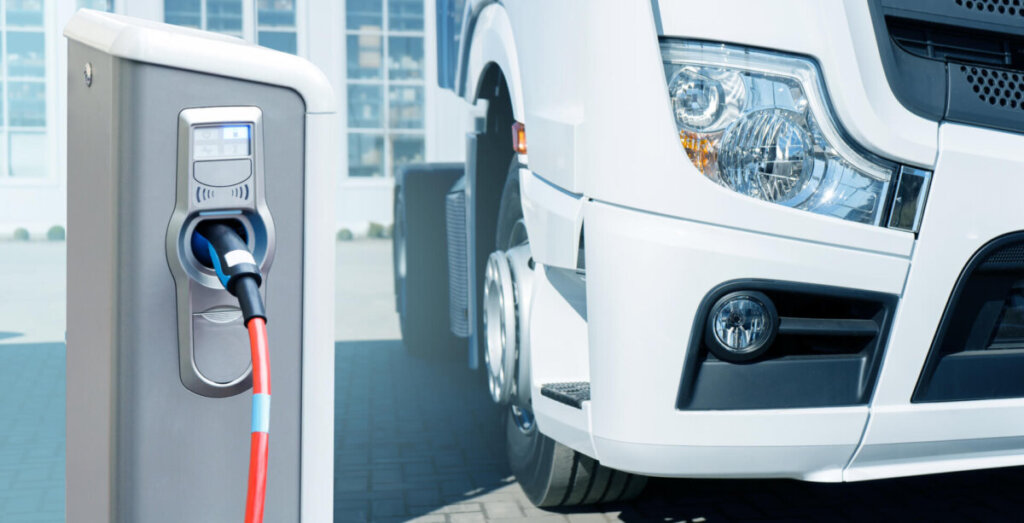
One of the most tangible changes concerns the treatment of zero-emission vans whose weight exceeds 3.5 tonnes. In many cases, electric vans cross this threshold not because of their payload or operational role, but because of the additional mass of battery systems.
Under the current framework, this has pushed such vehicles into the regulatory category of heavy goods vehicles, triggering obligations that were never designed for urban or regional van operations. Operators have faced tachograph requirements and stricter driving and rest time rules, even when vehicles are used in the same way as conventional diesel vans.
The Commission now openly acknowledges this mismatch. In the Automotive Omnibus, it proposes to clarify the legal basis allowing Member States to exempt certain zero-emission vans from truck-level obligations, particularly where their use is comparable to light commercial vehicles.
Rather than introducing a blanket EU-wide exemption, the proposal reinforces national discretion. Member States would be able to apply exemptions more confidently, without the legal uncertainty that has so far discouraged many authorities from doing so. For operators, this could remove one of the most persistent non-financial barriers to electrifying last-mile and regional delivery fleets.
Any practical impact, however, will depend on two steps: approval of the proposal at EU level, and decisions taken by national governments. As a result, this is best seen as a medium-term structural correction, rather than an immediate operational change.
A broader shift in tone: competitiveness enters the frame
Beyond the technical measures, the automotive package signals a change in political emphasis. For the first time since the launch of Fit for 55, the Commission places regulatory burden and competitiveness at the centre of its transport narrative.
In the accompanying explanations, overlapping rules, excessive administrative demands and rising compliance costs are explicitly described as risks to Europe’s industrial base and transport system. This does not undo existing legislation, but it alters the context in which future rules will be designed and implemented.
For operators, this shift matters less in day-to-day operations today and more in what comes next. It strengthens the case against additional layers of regulation and suggests that future adjustments may prioritise practicality over symbolic ambition.
What this package does not change
It is important to be clear about the limits of the initiative. The automotive package does not delay Euro 7 timelines, does not weaken CO₂ reduction targets, and does not automatically exempt electric vans across the EU. Its focus is on how rules are applied, not on abandoning policy goals.
What happens next
The Automotive Omnibus will now move through the European Parliament and the Council, where amendments are likely, particularly around the scope of exemptions and technical details.
Even after adoption, national governments will remain central to how the rules affect operators in practice. Decisions on electric van exemptions, in particular, will be taken at Member State level, not in Brussels.
It is important to note that the package should be read as a directional signal rather than a quick fix. It points to a more pragmatic phase in EU transport regulation but one in which the real outcomes will be shaped gradually, through implementation rather than headlines.