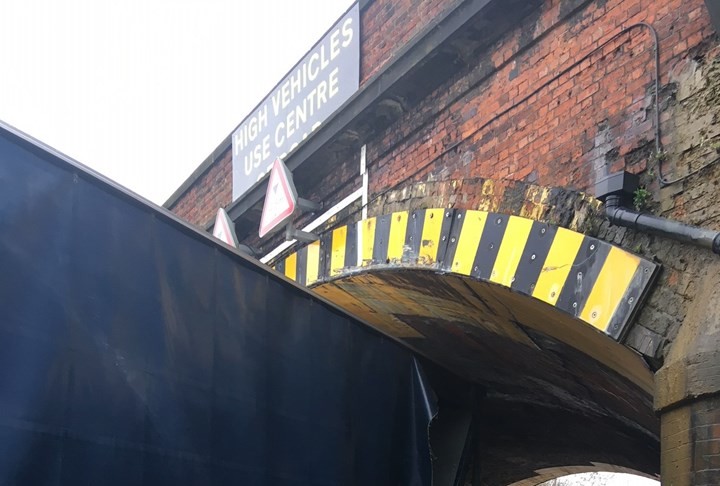
Vehicles above 18 tonnes gross weight will no longer be allowed to cross the bridge. Buses and emergency vehicles will be exempt, but HGVs will not. Heavier vehicles travelling northbound or southbound will have to use signed diversion routes instead.
How many trucks are affected?
TfL says around 39,500 vehicles use Vauxhall Bridge each day. Only about 200 of them — roughly 0.5% of daily traffic — are above 18 tonnes, and are typically HGVs.
The numbers may be small in traffic terms, but the change will matter to operators using the bridge for regular cross-river movements, construction work or deliveries between south-west and central London.
The bridge has already been closed to abnormal loads since 2023. That restriction applies to vehicles above 44 tonnes gross weight or 11.5 tonnes per axle. The new 18-tonne limit therefore adds a further constraint for heavy vehicles using the route.
Is the bridge safe?
TfL says Vauxhall Bridge remains safe to use and that the new restriction is a precautionary measure.
According to the authority, the latest assessment found structural deterioration that means heavier vehicles should be restricted while short-term repairs and a longer-term plan are developed.
No end date has been given for the restriction, so operators should not assume this will be a brief change.
Another bridge problem for urban freight
London operators already have to plan around weight, height, emissions and access restrictions across the capital. From July, Vauxhall Bridge will become another point to factor into route planning.
The issue is not limited to London. In the Netherlands, trucks, coaches and agricultural vehicles are also being banned from the Dordrecht traffic bridge from June because of structural wear, with heavy traffic diverted via the nearby A16 Drechttunnel.
Ageing bridge infrastructure is becoming a more visible constraint for heavy freight in European cities.
What operators should do now
Operators using Vauxhall Bridge for regular runs should check routes before the restriction starts on 1 July. TfL says diversion routes will be signed, but planning ahead may help avoid last-minute disruption once the limit takes effect.