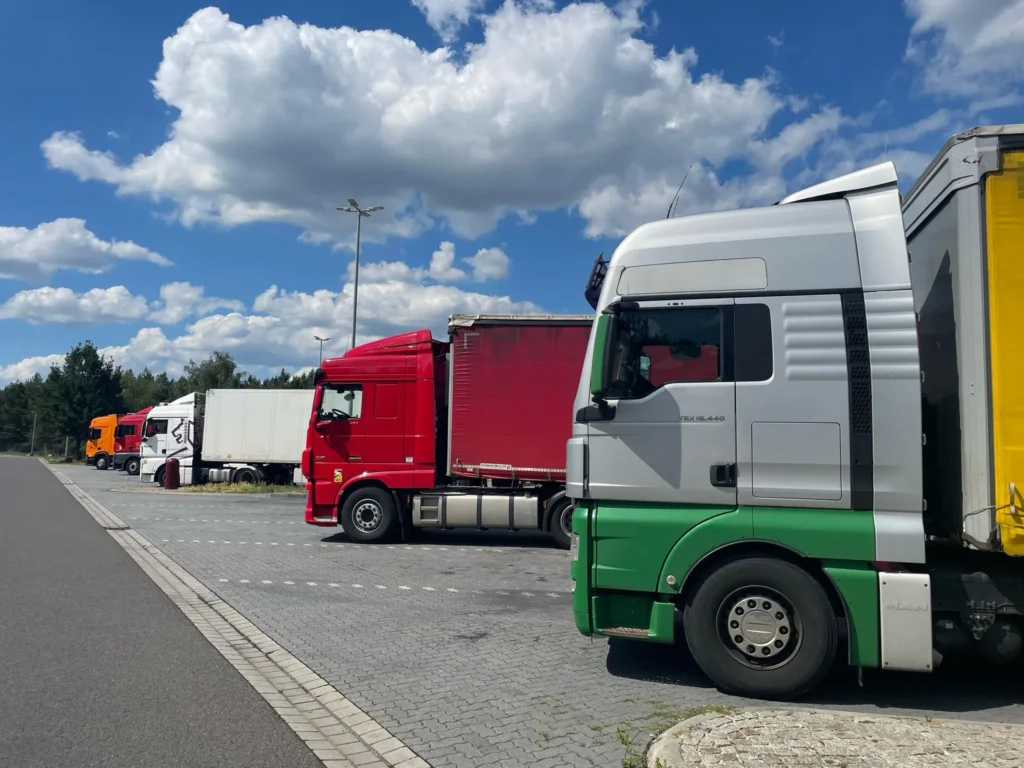
A new charging hub equipped with eight 480kW chargers has opened in Cardiff, offering high-power charging to FSEW’s electric lorry fleet and selected third-party operators.
Cardiff-based logistics company FSEW has opened what it describes as Wales’ first dedicated electric HGV charging hub.
The 2.5-acre facility is located at the Old Ely Transport Yard on the Lamby Way Industrial Estate. It has eight 480kW double-gun DC chargers installed across 16 HGV bays, according to infrastructure contractor ADDCharge.
FSEW says the chargers can add up to 190 miles of range in one hour, although the actual charging speed will depend on the vehicle and operating conditions.
The hub will primarily support FSEW’s expanding electric fleet, which includes Volvo FM Electric and Mercedes-Benz eActros 600 tractor units. Compatible vans and articulated lorries operated by other companies will also be able to use the facility under agreed commercial arrangements.
However, the site should not be regarded as an unrestricted public charging station comparable with those at motorway service areas. Third-party access will be limited to agreed operators with compatible vehicles.
FSEW has not yet published details of pricing, booking arrangements or opening hours for external operators.
Plans expanded during construction
The completed installation is larger and more powerful than originally announced.
When FSEW appointed Zenobē as its infrastructure partner in June 2025, the companies planned to install four 400kW DC chargers, with the option to expand the site later.
The operational facility instead has eight chargers, each rated at up to 480kW.
Zenobē financed, designed and delivered the charging infrastructure, with ADDCharge carrying out the electrical engineering, groundworks and charger installation.
ADDCharge said the installation was completed in 12 weeks, while other construction activities continued at the site.
The chargers were supplied by ZEROVA Technologies.
FSEW managing director Geoff Tomlinson described the hub as evidence that heavy-freight electrification was becoming commercially viable. He said accessible high-power charging could help address operators’ concerns about vehicle range and charger availability.
The company has not disclosed the overall cost of the development or the value of the public support it received.
FSEW said the project had initially been financed using its own funds before it secured a grant through the UK Government’s Depot Charging Scheme.
The scheme is designed to help operators install charging infrastructure for battery-electric vans, HGVs and coaches.
The first 2026 application window offered funding covering up to 70% of eligible chargepoint and civil-engineering costs, capped at £1 million per organisation. A second funding window is expected to open in October 2026, although its grant rates have yet to be confirmed.
FSEW targets 70 electric vehicles
FSEW plans to expand its electric fleet to 70 vehicles by 2027.
The company says the new Cardiff hub could support the recruitment of up to 50 additional drivers as its fleet and operations grow.
The operator previously removed conventional diesel vehicles from its fleet at the end of 2024. Its operations are currently based on a combination of battery-electric HGVs and trucks running on biomethane.
FSEW was also involved in the introduction of electric articulated lorries on commercial Tesco operations in Wales in 2021.
More recently, it launched an electric transport service between Tesco-related facilities in Maesteg and Magor using Volvo, DAF and Mercedes-Benz vehicles.
The Cardiff facility will also become the physical base for FSEW’s GreenFlow service, through which the company offers customers lower-carbon freight movements across road, rail, sea and air.
The hub adds charging capacity for heavy vehicles in South Wales, but its initial use will remain centred on FSEW’s own operations and approved external fleets.