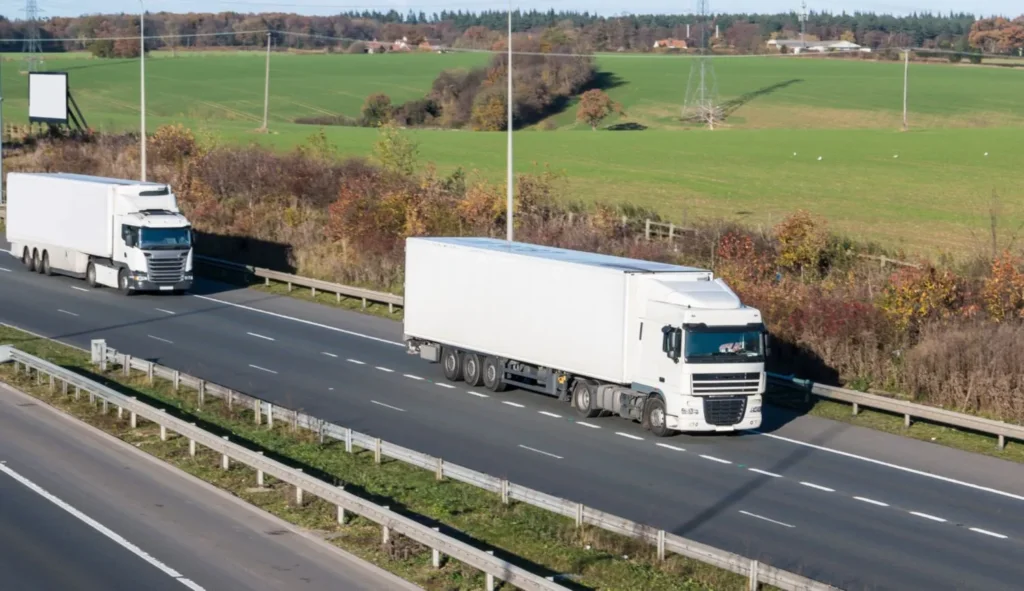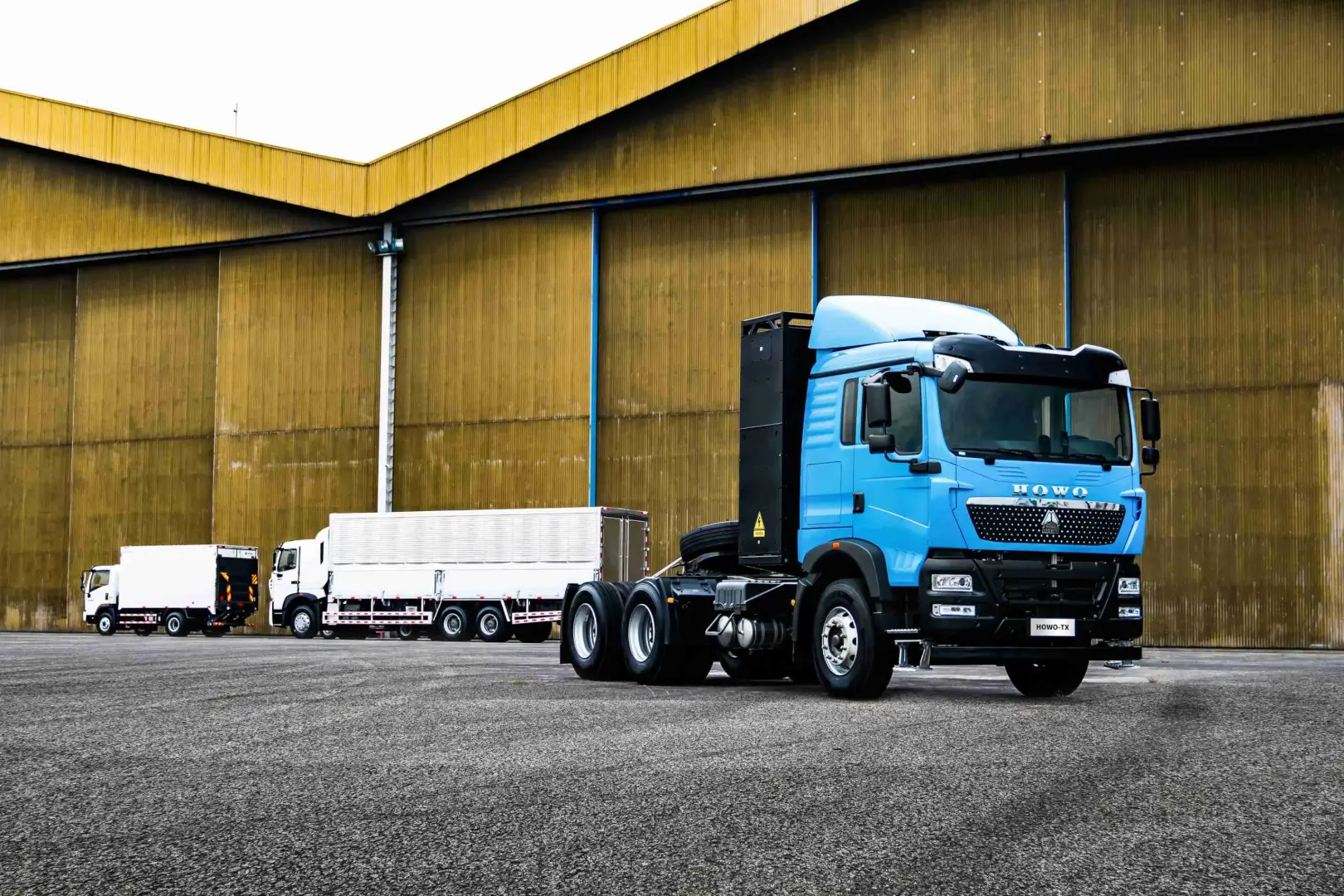

According to a notice published by China’s Ministry of Transport on 12 June, the country wants the number of “new energy heavy trucks” in operation to exceed 1.6 million by the end of the decade. The plan defines new energy heavy trucks as goods vehicles of 12 tonnes or more that use new power systems and run entirely or mainly on new energy sources – that is, mainly battery-electric, battery-swap and hydrogen fuel-cell lorries.
To support the rollout, China plans to build around 3,000 heavy-truck charging and battery-swap stations by 2030. The ministry said the network should be developed alongside the motorway system, with zero-carbon road freight corridors created on around 30,000 kilometres of key routes.
The plan says new or upgraded motorway service areas should either include charging and battery-swap facilities for heavy trucks or reserve space for them. Existing service areas are also expected to increase the number of truck charging spaces where demand requires it.
China also wants charging infrastructure to be linked more closely with power-grid planning. The notice calls for distribution-grid upgrades, local use of renewable electricity, off-peak charging to reduce energy costs, and trials of bidirectional charging technology for electric heavy trucks.
Europe warned it is falling behind
The scale of China’s plan also echoes recent warnings from European truck manufacturers. Scania President and CEO Christian Levin said Europe’s commercial vehicle sector is falling behind China in the shift to electric road freight.
“Compared to China, we are behind. That should worry all of us,” Levin said at a recent international media roundtable in Södertälje.
Levin said China had already electrified around a quarter of its heavy vehicle market last year, while battery-electric heavy vehicles accounted for only 2.4% of the EU market in the first quarter of 2026. In his view, Europe needs to move faster on charging infrastructure, investment and the industrialisation of new technologies if it wants to protect its competitiveness, jobs and wider prosperity.
Trade-in schemes to favour electric trucks
The policy also links the electrification push to China’s truck replacement programmes. The ministry says older operating trucks should continue to be scrapped and replaced, with priority support for switching to new energy heavy trucks. Local authorities are encouraged to use economic and technical measures to guide operators towards buying and using electric vehicles.
According to Reuters, trade-in support has already helped shape previous shifts in China’s heavy truck market, including a recent wave of LNG truck purchases. Reuters reported that the new electrification targets are likely to further reduce diesel demand while creating opportunities for Chinese truck and battery manufacturers.
The same report noted that electric heavy trucks already made up nearly a third of new heavy truck sales in China in 2025, following rapid growth driven by subsidies and expanding charging infrastructure.
Focus moves beyond ports and mines
China’s new plan does not limit electrification to closed-site or short-distance operations. The ministry says large transport companies, express delivery operators, logistics firms and larger fleets should be encouraged to use new energy heavy trucks on trunk road operations.
The policy also names bulk transport and high-emission industries, including mining, steel, thermal power, non-ferrous metals, coking and coal chemicals, as areas where cleaner road transport should be promoted. Container transport and express freight are also mentioned among the target use cases.
At the same time, short- and medium-distance work remains central to the plan. The ministry calls for wider use of new energy heavy trucks in ports, freight hubs, logistics parks, industrial sites, mines, construction waste transport, concrete mixers, urban distribution and postal and parcel delivery.
After-sales, insurance and safety included
The plan also addresses some of the operational barriers around electric truck deployment. It calls for improved access to spare parts for electric drive systems, battery systems and electronic control systems, as well as faster parts supply and more repair authorisation from truck and battery manufacturers.
China also plans to explore a second-hand valuation system for new energy heavy trucks, which could help operators assess residual values.
On insurance, the policy calls for improved availability of cover for new energy heavy trucks and better pricing mechanisms based on vehicle data, battery health and maintenance records. The notice also encourages operators to fit safety systems such as AEBS, blind-spot monitoring and panoramic camera systems.
The ministry states that new energy heavy trucks must not be used for dangerous goods transport, and that operators should strengthen driver training and operational training.