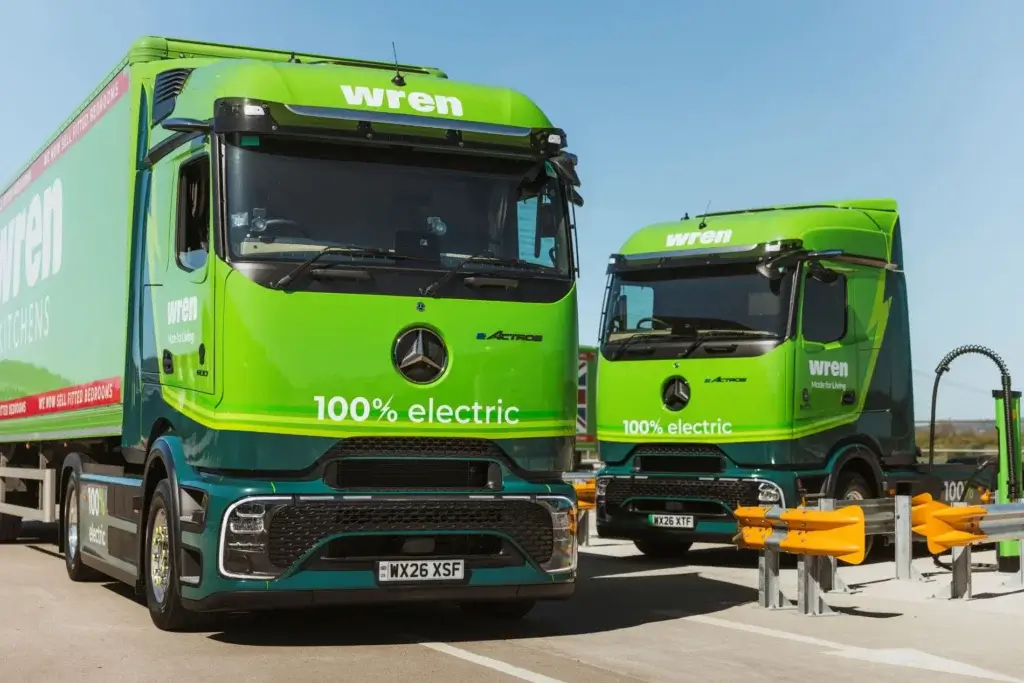
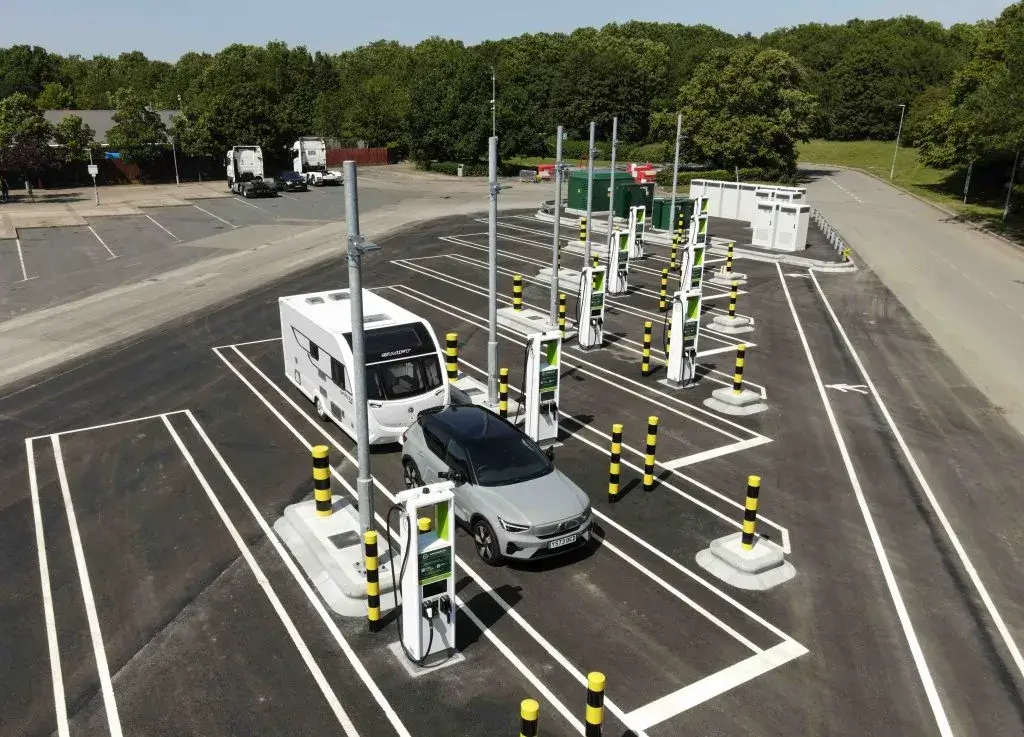
The Future Fleet project will look at how depots, hubs and motorway sites could affect local electricity networks, and whether smarter charging, batteries, solar power or shared charging hubs could reduce the need for costly grid upgrades.
According to UK Power Networks, electric HGVs will require large amounts of power, and distribution networks currently have only limited visibility of where and when that demand will appear. The project is intended to give both hauliers and energy networks a clearer picture before charging demand starts to rise sharply.
The project brings together logistics operators Maritime Transport and Voltloader, megawatt-charging specialist Voltempo, Energy Systems Catapult and Baringa.
The partners will define different types of freight operation, or “fleet archetypes”, and match them with charging and energy-management options. These will include return-to-base operations, long-distance routes, depot charging, shared hubs and high-power charging sites.
UK Power Networks says the project will use geospatial modelling to identify where charging demand is most likely to cluster and where local electricity networks may need reinforcement.
The aim is not only to work out how many chargers will be needed, but where new electrical loads could appear on the distribution network, and which areas may require upgrades to substations, cables or other infrastructure.
Depot charging could become a grid-planning issue
For hauliers, the most practical question is likely to be how much power a depot will need — and how quickly that connection can be delivered.
UK Power Networks says the project will examine ways to reduce peak demand, including timed charging, on-site battery storage, solar generation, flexible grid connections and managed charging schedules.
The project will also look at shared infrastructure models, including depot-as-a-service and charging hubs that can serve several operators.
Energy Systems Catapult has previously warned that large-scale eHGV charging could create major peaks in electricity demand if fleets simply plug in vehicles as soon as they return to depot. Its modelling suggests that peak demand from eHGVs in 2050 could exceed 10 GW and coincide with the wider evening electricity peak.
The organisation has also said that many heavy electric trucks may not need the highest possible charging power overnight. In some cases, slower charging spread across a longer depot dwell time could be enough, reducing the size and cost of the required grid connection.
Charging location could change fleet costs
The project will also examine whether charging demand can be shifted away from individual depots to shared locations such as ports, warehouses or logistics hubs.
Energy Systems Catapult’s earlier modelling found that shifting some charging to shared-access sites during the working day could reduce peak electricity demand, although this could also increase operating costs for fleets while reducing upfront depot infrastructure investment.
That trade-off is likely to become more important as operators compare the cost of installing their own chargers with the cost and availability of public or semi-public charging.
For smaller hauliers, the question may be whether shared infrastructure can offer a realistic route into electric trucks without requiring major depot upgrades. For larger operators, the issue may be how far they can electrify without running into local grid capacity limits.
Six-month phase to prepare future trials
Future Fleet started on 2 March 2026 and is scheduled to run until 7 August 2026. The initial phase will set out design requirements for a potential live trial, including site selection, data needs, technology readiness and the role of operators and site owners.
UK Power Networks says the project should help operators electrify in a way that keeps costs down and avoids delays, while helping electricity networks plan investment more accurately.
The work builds on the eFREIGHT 2030 programme, which has already deployed 88 electric HGVs and charging infrastructure across 33 locations in the UK.
Under UK government targets, all new HGVs under 26 tonnes must be zero emission by 2035, while all new HGVs of any size must be zero emission by 2040. Energy Systems Catapult has said up to 132,500 articulated electric HGVs over 40 tonnes may need to be in operation by 2050 for the UK to remain within its seventh carbon budget.