
PACCAR reported net income of $2.38 billion for 2025, down from $4.16 billion in 2024, while revenues fell from $33.66 billion to $28.44 billion.
The biggest non-operating drag came from Europe. PACCAR booked a $350 million pre-tax charge in 2025 (equivalent to $264.5 million after tax) related to civil litigation over European Commission cartel claims. The company had already taken a $600 million pre-tax charge in 2023, but increased its provision in 2025 because settlement costs came in higher than previously estimated.
By way of background: in 2016, the Commission fined MAN, Volvo/Renault, Daimler, Iveco and DAF a total of €2.93 billion for colluding on truck pricing and the passing-on of emissions technology costs. DAF’s share of that fine was around €752.7 million.
PACCAR says most claimants have now been settled, but some litigation and appeals remain ongoing. The financial after-effects of the cartel are therefore still hitting manufacturers’ balance sheets nearly a decade on.
Softer market hits truck volumes
The charge landed at an already difficult moment for the truck business. PACCAR’s truck division reported pre-tax profit of $870.8 million in 2025, down from $2.85 billion in 2024, as total new truck deliveries fell from 185,300 to 144,200 units. European deliveries slipped more modestly, from 45,400 to 43,800.
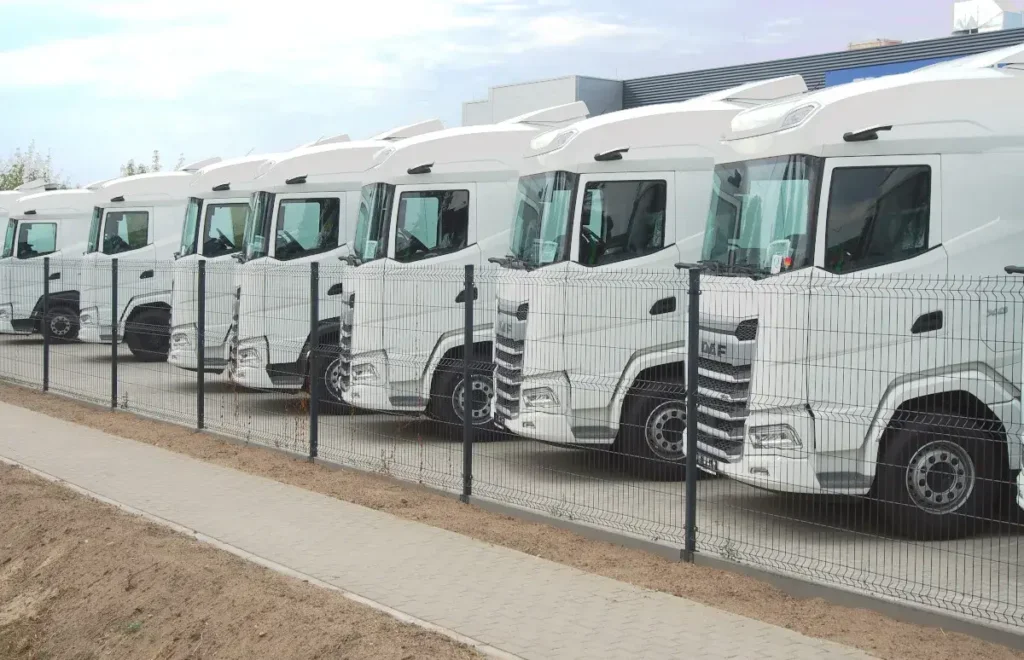
DAF’s market position remained relatively solid despite the slowdown. The manufacturer held a 13.5% share of the European heavy-duty market in 2025, in a segment totalling 297,000 units, and a 9.7% share in medium-duty trucks. It also retained its position as market leader in both the UK and the Netherlands.
Jobs cut as market cools
The quieter market has fed through into employment. DAF’s own figures show total employees fell from 9,746 at the end of 2024 to 9,345 at the end of 2025, with the average FTE count across the year recorded at 8,587 — reflecting the timing of reductions during the period. The number of third-party workers also fell, from 1,394 to 1,065, suggesting the adjustment extended beyond the direct payroll to more flexible parts of the workforce.