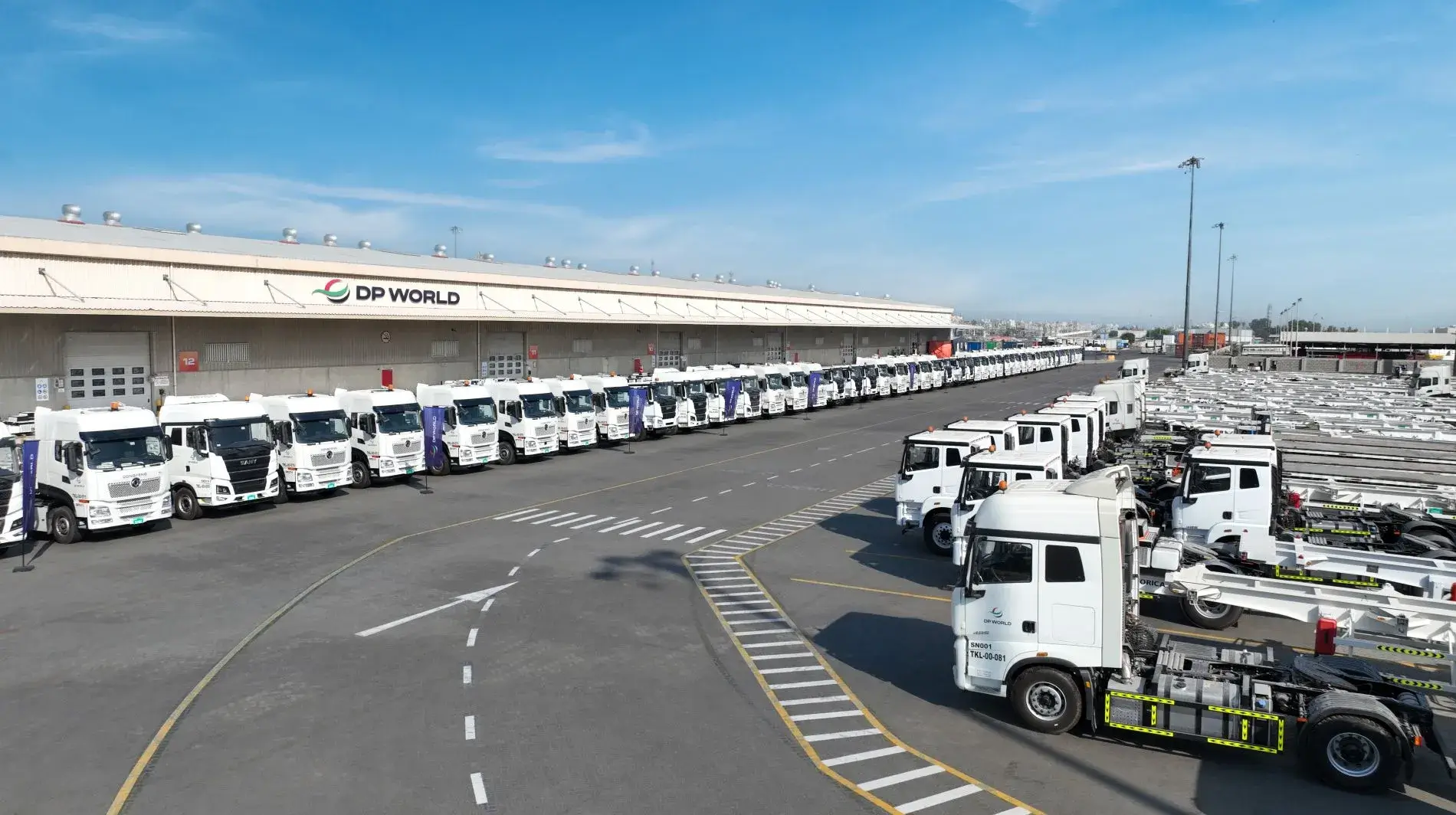

The vehicles are being introduced progressively across the six Gulf Cooperation Council countries and will handle domestic and cross-border movements, including containerised cargo, vehicles, goods and perishables.
DP World said the investment formed part of its longer-term strategy to connect ports, terminals, warehouses and economic zones through a more integrated regional logistics network. The new vehicles meet Euro V emissions standards, while the company said it would consider vehicles powered by alternative energy in future.
Overland corridors gain importance
The expansion comes as disruption to maritime routes in the Middle East increases the importance of overland alternatives. DP World said it had already routed more than 350,000 TEUs overland following maritime disruption, using bonded corridors from east-coast gateways and Sohar in Oman, as well as routes through Jeddah. Its existing regional network handles around 3,000 truck movements a day.
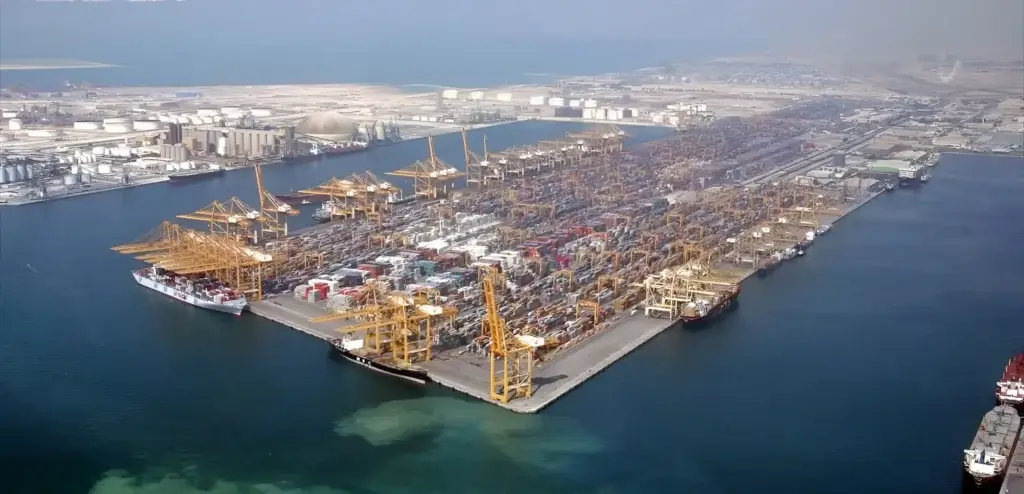
The company is also reportedly considering a new port and container terminal on the UAE’s east coast. The proposed development would be located outside the Strait of Hormuz and reduce Dubai’s reliance on Jebel Ali, providing another gateway through which cargo could be transferred onto Gulf road networks.
However, the limits of such alternatives are already becoming apparent: road corridors through Oman, Saudi Arabia, Jordan and other Gulf markets can keep selected shipments moving, but they cannot absorb the volumes normally carried by container vessels. High demand has also pushed up truck-hire costs and contributed to queues at some border crossings, underlining that landbridges remain a pressure valve rather than a full replacement for maritime capacity.