The new links come as shipping and energy flows through the Gulf remain under pressure, exposing the vulnerability of routes that rely on Hormuz and increasing the strategic importance of Saudi Arabia’s western ports.
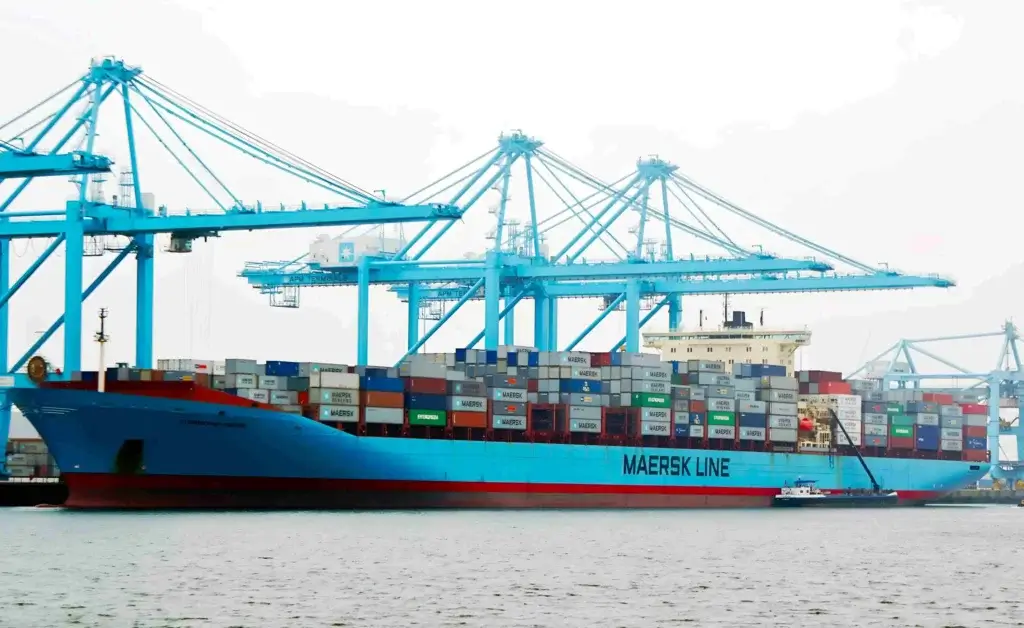
According to Marine Insight, citing the Saudi Ports Authority Mawani, a new service has been launched between Jeddah Islamic Port, Salalah in Oman and the Port of Djibouti, with a capacity of up to 1,730 TEU.
The service is intended to support import and export activity and improve Saudi Arabia’s connections with regional and international ports. It also strengthens Jeddah’s role as a Red Sea hub at a time when cargo owners and carriers are reassessing route options across the Gulf, Red Sea and East Africa.
A second service, the Red Sea Express, was announced earlier by Mawani through the Saudi Press Agency. That route connects Jeddah Islamic Port and King Fahd Industrial Port in Yanbu with Ain Sokhna in Egypt and Aqaba in Jordan. The service has a capacity of up to 1,100 TEU.
For Saudi Arabia, the timing is important. Reuters has reported that the Strait of Hormuz has been effectively shut by the conflict involving Iran, disrupting one of the world’s most important oil and gas corridors. Around a fifth of global daily oil and liquefied natural gas supply normally passes through the narrow waterway between Iran and Oman.
Red Sea ports gain new importance
Saudi Arabia already has one of the region’s most important alternatives to Hormuz: the East–West pipeline, which carries crude from eastern oilfields to Yanbu on the Red Sea.
Reuters reported in April that the 1,200-kilometre pipeline can transport up to 7 million barrels per day to Yanbu, although effective exports depend on tanker and jetty availability. From Yanbu, shipments can move towards Europe via the Suez Canal, or south through Bab el-Mandeb towards Asia.
The new container services do not replace Hormuz for Gulf trade. Their capacity is modest compared with the scale of traffic normally handled through the region’s main maritime corridors. However, they show how quickly ports outside the Gulf can gain strategic value when a single chokepoint becomes unreliable.
The Jeddah–Salalah–Djibouti service gives Saudi Arabia a direct link between the Red Sea, Oman and the Horn of Africa. The Red Sea Express, meanwhile, connects Saudi Arabia’s western coast with Egypt and Jordan, reinforcing short-sea regional trade routes around the northern Red Sea.