One such example comes from Sweden, where Drivers First and TruckTrust have announced a strategic partnership to improve access to secure parking, hygiene facilities, and digital services for professional drivers. The cooperation combines physical driver facilities with a digital parking platform intended to make secure rest areas easier to locate and use.
While the announcement is Swedish, the challenges it seeks to address are widely reported across much of Europe.
Working conditions linked to driver shortages
Transport operators across Europe increasingly link these conditions to the ongoing driver shortage. According to industry organisations, fleets in many countries are operating below capacity not because of weak demand, but because there are not enough drivers willing to accept the realities of long-haul work under current conditions.
Long waiting times, limited access to toilets and showers, insecure rest areas and persistent security concerns are repeatedly cited by drivers and employers as structural problems in international road transport. Several industry surveys indicate that such conditions are a key factor discouraging younger drivers from entering the profession.
“There is still no comprehensive strategy to ensure secure parking, clean toilets and safe rest areas for professional drivers,” said Gustav Jacobsson of Drivers First. “Drivers are expected to comply with increasingly strict rules, but the conditions on the ground often make that impossible. This is not an isolated issue — it is systemic.”
Supply-chain risks extend beyond drivers
The lack of secure parking is increasingly discussed not only as a social issue, but as a supply-chain risk. Industry estimates put annual cargo theft losses in Europe at nearly SEK 90 billion (€8 billion), affecting hauliers, shippers and insurers alike.
According to logistics and insurance sources, theft risks have become a routine consideration in route planning and pricing in parts of Western Europe. In Southern Europe, transport operators warn that insufficient preventive infrastructure allows organised theft to exploit predictable stopping patterns. Even in countries where theft levels are currently lower, industry groups caution that the absence of secure parking creates long-term vulnerabilities.
“If we wait, insecurity, theft and rising costs risk becoming normalised,” said Björn Paulsson of TruckTrust. “Secure parking is not a comfort issue. It is a prerequisite for delivery reliability, road safety and competitiveness.”
Private initiatives filling the gap
As public infrastructure expansion remains slow, private actors are increasingly stepping in.
Across Europe, booking platforms such as TRAVIS offer access to hundreds of secured, pre-bookable truck parking locations along major corridors. These services allow drivers and fleet managers to reserve guaranteed parking spots in advance — a market-driven response to the shortage of publicly provided secure facilities.
Digital solutions have also emerged. Bosch Secure Truck Parking operates a platform enabling drivers to locate and book secure parking spaces with information on availability, security features and driver services. Such tools are increasingly used to compensate for the lack of reliable, standardised public parking information.
At the infrastructure level, private service-area operators are investing directly in secure parking facilities. In Spain, for example, companies such as Andamur have developed guarded truck parking sites offering controlled access, surveillance and basic amenities, positioned along key international routes. These facilities are privately funded and operated, and in several cases exceed the security standards of nearby public rest areas.
Industry observers describe these initiatives as stopgaps — necessary to keep transport operations viable while public infrastructure continues to lag behind demand.
Sweden as a case study: private actors addressing local gaps
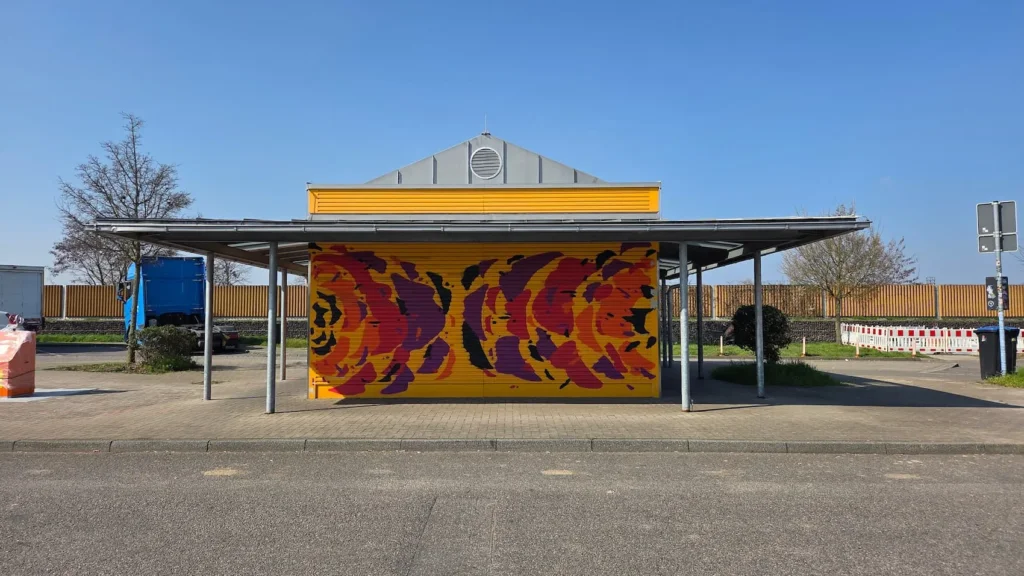
One concrete example of how the industry is responding at a local level can be seen in Karlstad, where LBC-Frakt has inaugurated a new driver facility offering toilets, showers and a safe environment for rest.

Private driver facility opens in Karlstad as industry fills infrastructure gaps – photo: LBC-Frakt
The initiative was launched amid industry reports of a growing shortage of accessible rest areas for professional drivers in Sweden, as existing facilities close and new ones fail to materialise. According to transport organisations, this is making it increasingly difficult for drivers to comply with rest requirements safely and with dignity.
“The lack of functioning and accessible rest areas has become a safety problem,” said Oscar Hyléen, CEO of the Swedish Transport Companies, during the inauguration. “Sweden has an obligation to ensure that there are enough rest areas, but the Swedish Transport Administration is lagging behind. The market must also be involved and create initiatives.”
LBC Frakt’s driver facility — described by the company as something that “should be a given but has become increasingly rare” — is intended to improve working conditions and road safety at a local level, rather than replace public infrastructure entirely.
“This industry is one of the most forgotten,” said Pelle Thörnberg, chairman of Drivers First. “There is a shortage of drivers, and fewer people want to enter the profession because it is perceived as unsafe. We want to ensure that there are safe places to stop and rest.”
The inauguration also included the launch of a new privately operated washing facility for containers used in animal by-product transport, highlighting how operators are increasingly combining social, safety and environmental investments within their own operations.