
According to the latest National Highways schedule, Operation Tramline activity is taking place in Cleveland, Gwent and Essex from 15 June, followed by West Yorkshire, Leicestershire and South Wales from 22 June. Further activity is listed for South Yorkshire, Kent and the Road Transport Expo week from 29 June.
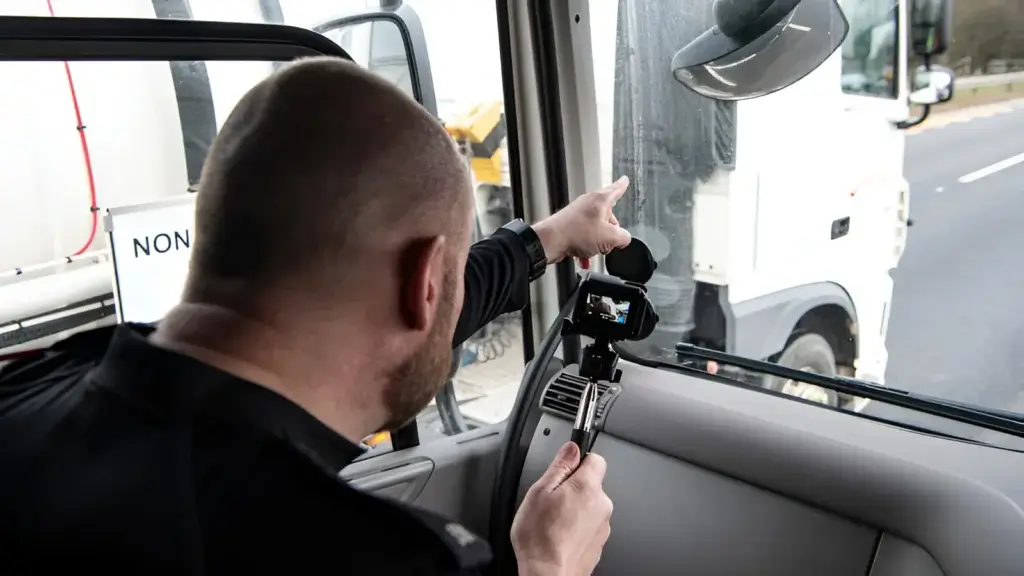
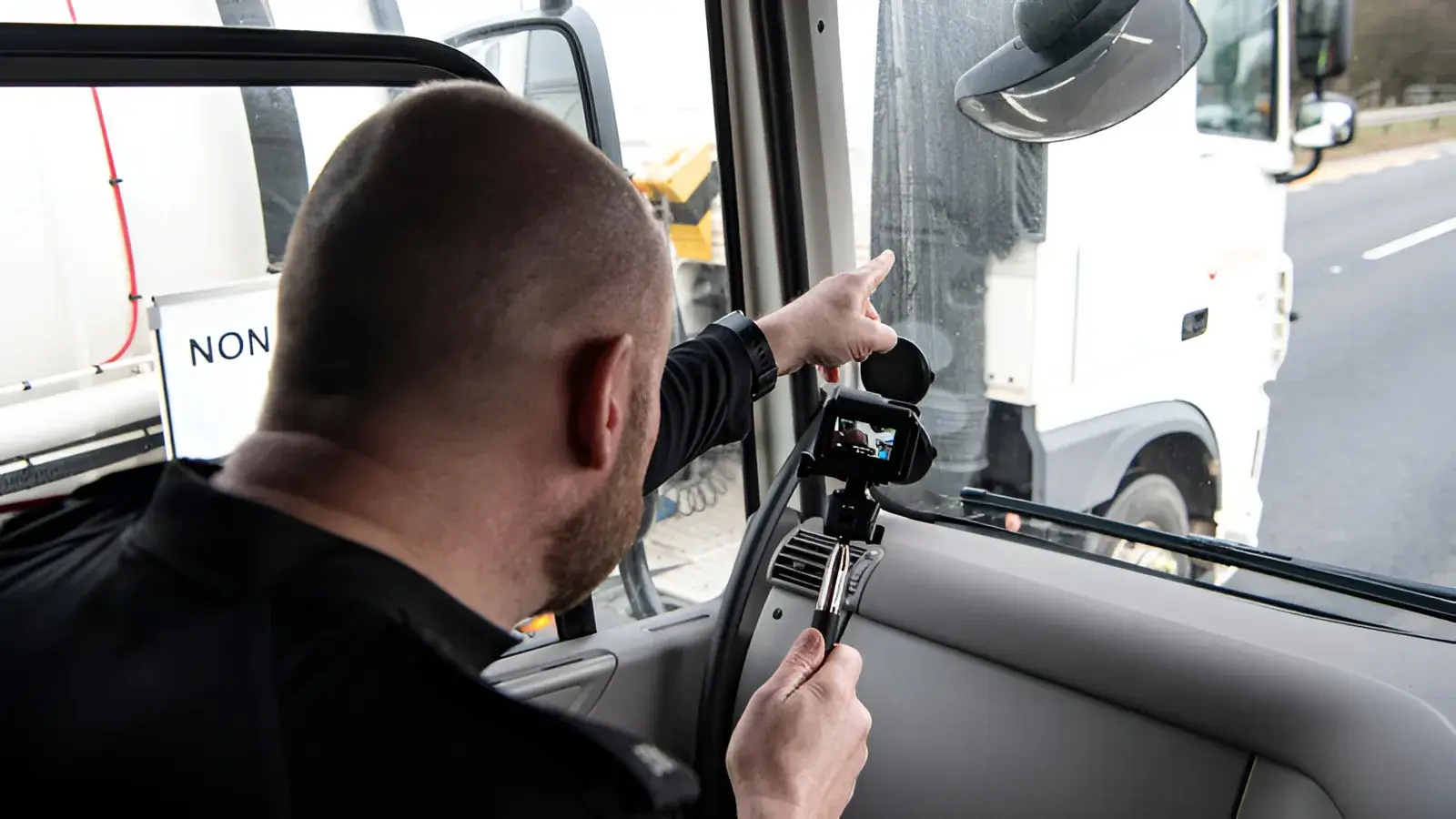
The initiative uses unmarked HGV camera cabs loaned by National Highways to police forces. Their higher driving position allows officers to see into other vehicles, including lorries, vans and cars, and record offences that may be harder to spot from a standard patrol car.
National Highways says the cabs are used to identify unsafe behaviour such as mobile phone use, drivers or passengers not wearing seatbelts, and drivers not being in proper control of their vehicles. The approach is not limited to truck drivers; the agency says the offences detected involve HGVs, vans and cars.
Since Operation Tramline was launched in 2015, police forces have stopped more than 54,000 vehicles. National Highways says 40% of the vehicles stopped were HGVs, 22% were vans and 34% were cars. The operation has resulted in more than 59,000 offences being recorded.
The most common offences remain seatbelt and mobile phone violations. National Highways says more than half of all offences recorded under the scheme were linked to these two behaviours, with 16,505 seatbelt offences and 15,842 mobile phone offences.
The agency says people not wearing a seatbelt are twice as likely to die in a collision, while drivers using a phone are four times more likely to be involved in a collision.
Once officers identify a suspected offence, the consequences can range from roadside advice or warnings to fixed penalty notices, court summons or arrest, depending on the seriousness of the case.
For transport operators, the June schedule is a reminder to reinforce basic safety messages with drivers before the summer traffic peak. National Highways’ figures show that enforcement is focused not only on professional drivers, but the elevated cab position also means HGV drivers can be checked in a way that is difficult from lower vehicles.
The key points for fleets remain straightforward: drivers should avoid handheld phone use, wear seatbelts, keep full control of the vehicle and ensure that any in-cab behaviour would stand up to roadside scrutiny.