
Why are electric lorries becoming essential for city logistics?
Urban distribution has changed dramatically over the past few years. Retailers, supermarkets, construction suppliers and parcel delivery companies now operate in environments where vehicle emissions are closely monitored and access restrictions are becoming more common. Unlike conventional diesel vehicles, electric lorries produce zero tailpipe emissions, making them particularly well suited to deliveries within Clean Air Zones and Low Emission Zones. Their quieter operation also allows fleets to schedule deliveries during early mornings or evenings without generating significant noise pollution, increasing delivery flexibility while helping reduce daytime congestion. As battery technology improves, many operators now find that daily urban routes comfortably fall within the available driving range, making electrification a commercially viable option rather than simply an environmental commitment.
What operational benefits do fleet operators actually experience?
Although purchasing an electric lorry generally requires a higher initial investment, many businesses are discovering that the total cost of ownership can become increasingly competitive over time. Electricity prices tend to be more predictable than diesel costs, while electric drivetrains contain fewer moving parts, reducing routine maintenance requirements. Fleet managers frequently report additional operational advantages, including:
- Lower scheduled servicing costs.
- Reduced brake wear thanks to regenerative braking.
- Greater energy efficiency during stop-start urban driving.
- Improved driver comfort through lower noise and vibration levels.
- Easier compliance with local environmental regulations.
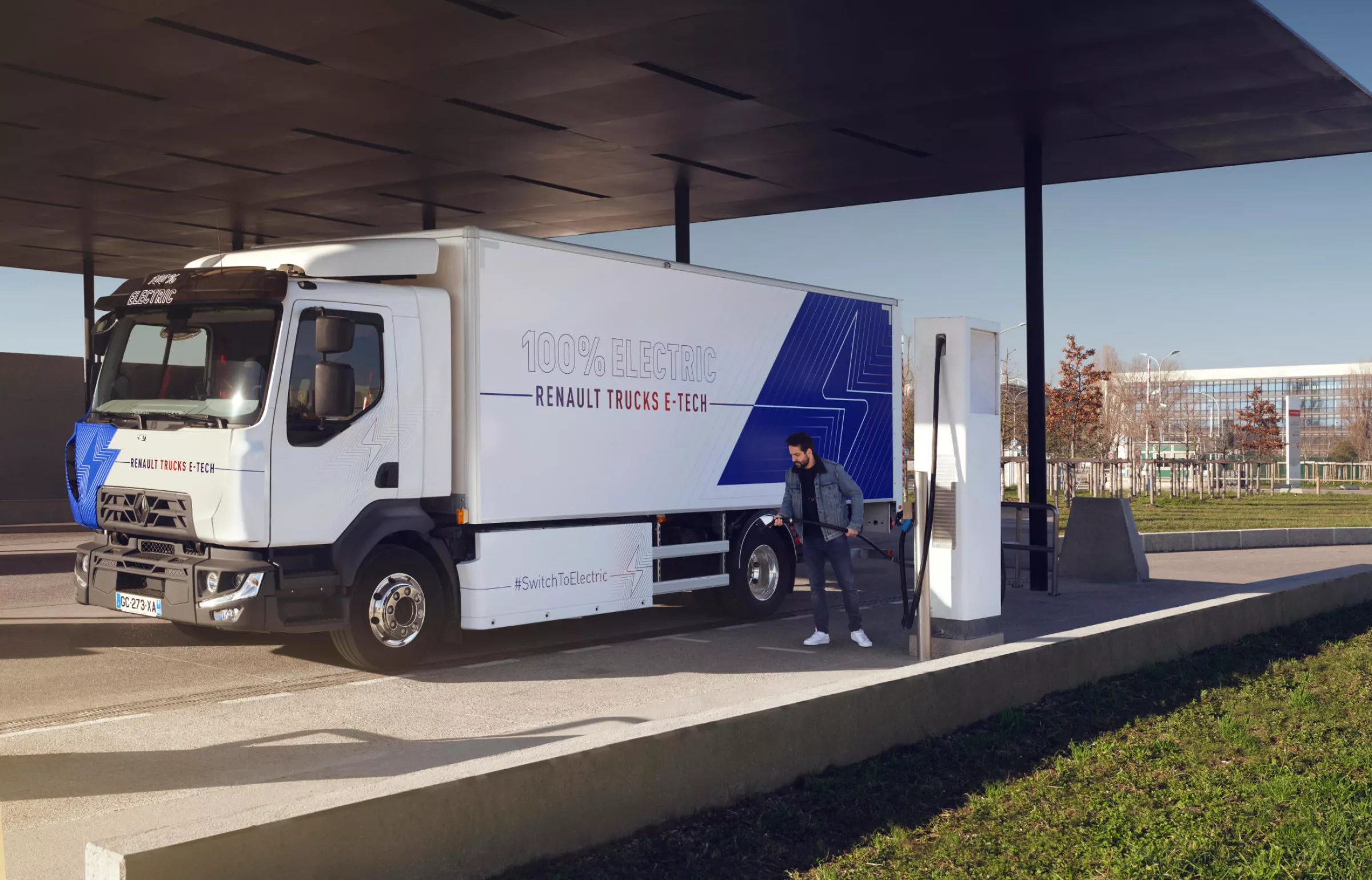
For example, several national distribution networks operating mixed fleets have introduced electric vehicles on metropolitan routes while retaining diesel or alternative fuel vehicles for long-distance transport. Manufacturers such as Renault Trucks have developed dedicated electric distribution vehicles designed specifically for regional and urban operations, allowing logistics companies to gradually electrify their fleets without disrupting existing transport strategies.
How are electric lorries changing the economics of last-mile delivery?
Last-mile logistics has always represented one of the most expensive stages of the supply chain. Multiple delivery points, heavy traffic and unpredictable parking conditions increase operating costs considerably. Electric lorries help improve efficiency by combining lower energy costs with advanced telematics systems that optimise routing and energy consumption. Fleet management software can monitor battery usage in real time, recommend charging schedules and identify opportunities to reduce unnecessary mileage. These digital capabilities provide dispatchers with more accurate planning tools while improving vehicle utilisation throughout the working day. As charging infrastructure continues to expand across the UK, the operational limitations once associated with electric freight vehicles are steadily becoming less significant.
Which industries benefit most from electric urban freight vehicles?
Not every transport operation has identical requirements. However, sectors with predictable daily routes and frequent urban deliveries often achieve the fastest return on investment. Supermarket distribution, municipal services, waste collection, pharmaceutical logistics, hospitality suppliers and parcel carriers all operate within relatively consistent driving distances, making battery-powered vehicles particularly effective. Construction logistics also offers interesting opportunities, especially where building materials need to be transported into city centres with increasingly strict emissions regulations. As charging infrastructure develops within depots, operators can recharge vehicles overnight, ensuring they begin each working day with maximum battery capacity while avoiding peak electricity tariffs.
What challenges still need to be addressed?
Despite remarkable progress, electrification is not without obstacles. Battery costs remain significant, although prices continue to fall as production volumes increase. Public charging infrastructure suitable for heavy goods vehicles is expanding but still requires considerable investment, particularly along strategic freight corridors. Payload capacity may also be slightly reduced because of battery weight, although advances in battery density are steadily narrowing this gap. Successful fleet electrification therefore depends on careful route analysis, depot charging strategies, driver training and long-term investment planning. Businesses that conduct detailed operational assessments before purchasing vehicles generally achieve stronger financial outcomes and smoother implementation than those adopting electric lorries without analysing their transport patterns.
Ultimately, electric lorries should not be viewed as a universal replacement for every diesel truck today. Instead, they represent a highly effective solution for many urban distribution scenarios where predictable mileage, regulatory pressures and sustainability objectives align. As battery technology, charging infrastructure and vehicle performance continue to improve, their role within commercial transport will almost certainly continue to expand.
Questions fréquentes
What is an electric lorry?
An electric lorry is a heavy goods vehicle powered entirely by electric motors instead of an internal combustion engine. It stores energy in rechargeable batteries and produces zero tailpipe emissions, making it particularly suitable for urban freight transport where environmental regulations are becoming stricter.
Are electric lorries suitable for long-distance transport?
They can be, but their strongest application currently remains regional and urban distribution. Advances in battery technology are steadily extending driving ranges, yet many operators still combine electric vehicles for city routes with alternative solutions for longer journeys.
Do electric lorries reduce operating costs?
In many urban operations, yes. Although purchase prices remain higher, lower maintenance requirements, reduced energy costs and improved efficiency during stop-start driving often generate savings over the vehicle’s lifetime, particularly for fleets operating predictable daily routes.