The awkward part is that the Department for Transport is consulting on rules that could define a zero-emission HGV as one with no internal combustion engine at all, hydrogen combustion included.
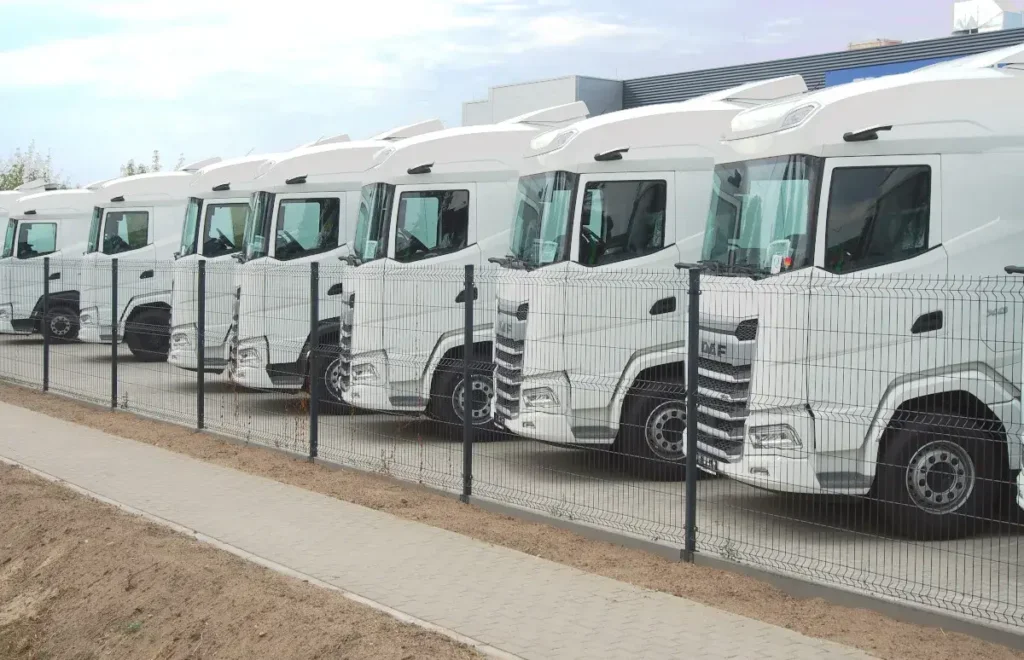
The vehicle was built by Metier Technologies in Oxfordshire. It is a diesel DAF LF220 whose 6.7-litre, six-cylinder engine has been reworked by MAHLE Powertrain to run on hydrogen. Output is currently 130 kW, which Metier says is enough for urban distribution. The company plans to raise that to 170 kW by August 2026, matching the original diesel power level and enabling motorway use and heavier loads.
Why repower instead of replace
Battery-electric and hydrogen fuel-cell trucks normally arrive as new vehicles, with new purchase prices and charging or refuelling plans attached. They also create a problem for fleets running specialist superstructures bolted to chassis that still have years of working life left.
Metier says a hydrogen repower costs less than a new diesel base vehicle and substantially less than a battery-electric truck. The company also says each conversion should take three to four weeks and extend the vehicle’s working life by five to ten years.
For its DAF LF target vehicle, Metier puts the CO₂ saving at 74.3 tonnes per truck per year. The 6.7-litre H2ICE engine and the repowered LF 18-tonner are Metier’s first products. Other engines and vehicle types are planned after 2028.
The company says it intends to work with hydrogen suppliers it believes can reach near-diesel pricing by 2028, then approach fleets running DAF LFs in those supply areas. Until then, depot-based or local hydrogen supply is meant to keep early adopters fuelled.
The regulatory trap
The V5 logbook may classify the vehicle as producing zero CO₂, but the DfT consultation on a new HGV CO₂ framework is more cautious. It says battery-electric and hydrogen fuel-cell trucks emit no direct exhaust CO₂, while hydrogen combustion engines can cut exhaust CO₂ but may still emit small amounts from emissions-control systems and lubricating oil.
The consultation also proposes a definition of a zero-emission HGV as one without an internal combustion engine. If ministers adopt that wording, Metier’s truck could fall outside the zero-emission category, even though diesel is no longer the fuel.
The same document says there is currently no UK framework under which the CO₂ emissions of battery-electric, hydrogen fuel-cell or hydrogen-combustion HGVs are certified.
Where it fits, if it fits
Battery-electric trucks are already running predictable depot-based duties. Fuel-cell HGVs are part of UK demonstration programmes. Hydrogen combustion sits in the awkward middle: mechanically familiar to diesel fitters, cheaper on Metier’s figures, and still waiting for regulators to decide exactly how it should count.
Metier argues this is the niche worth filling: heavy-duty cycles, payload-sensitive routes and specialist rigid vehicles where battery weight is a problem and fuel-cell complexity is a deterrent.