January gave carriers a relatively solid start to the year. According to the Q1 market analysis cited by Container News, the quarter opened on a positive footing, supported by constrained capacity and strong fleet utilisation. That matters because it shows the market was not weak from the outset — it deteriorated as the quarter progressed.
The picture softened in February, when the usual Chinese New Year slowdown reduced industrial activity and freight momentum. That seasonal dip on its own would not have been remarkable. What changed the tone was what came next. By March, the market was being shaped by Middle East tensions, maritime disruption and rising energy costs, which darkened the short- and medium-term outlook.
At the same time, the fleet kept growing. Alphaliner data reported by Safety4Sea shows the fully cellular fleet passed 6,700 vessels in early April, while total capacity reached 33.6 million TEU. Far East–Europe weekly capacity also hit another record in March. So even as disruption was tightening effective capacity in the short term, the underlying supply picture was still becoming heavier.
This is what made the quarter so unstable. The market was being pulled in two directions at once: disruption was keeping conditions tighter than they might otherwise have been, while fleet growth was continuing to build pressure underneath. That is a much more revealing story than simply saying Q1 was “dynamic”.
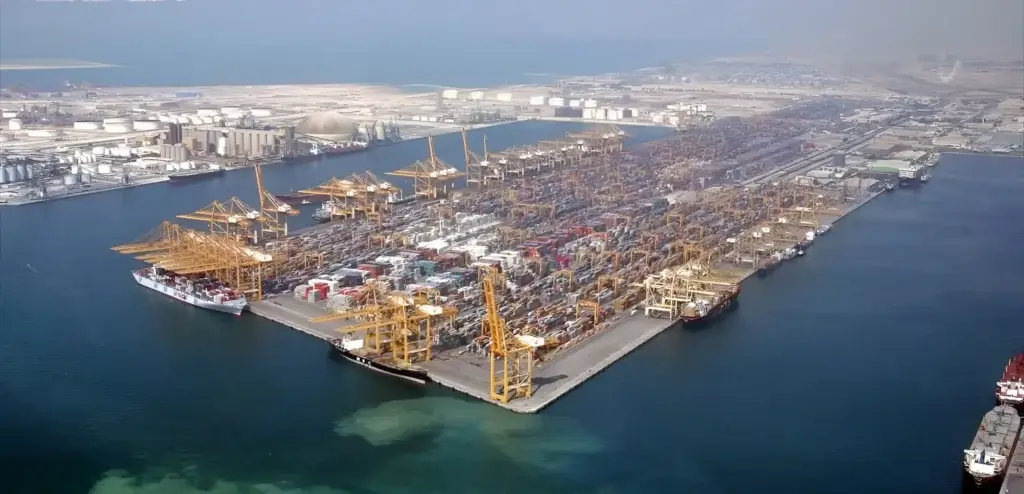
The Hormuz disruption added another layer of strain. BIMCO said in its March market outlook that attacks on Iran from 28 February had effectively halted transits through the Strait of Hormuz, leaving around 130 container ships stranded in the Gulf and affecting roughly 5% of global ship demand. In other words, this was not background noise — it directly interfered with how ships could be deployed.
Even so, freight rates did not collapse. Drewry’s World Container Index was unchanged at $2,287 per 40ft container on 2 April, with Asia–Europe rates broadly stable. That suggests carriers were still managing capacity tightly enough to prevent a broader rate slide, despite the market turbulence.
But the cost side was worsening. Drewry said bunker fuel availability had tightened because of disruption around the Strait of Hormuz, and carriers were responding with slow steaming, alternative refuelling plans and emergency bunker surcharges. So while rates were not crashing, the operating environment was becoming more expensive and harder to manage.
Container News also noted that owners continued ordering vessels despite the volatility, with a preference for dual-fuel and LNG-capable ships.