The payload problem has always been the awkward truth about electric trucks. A diesel truck swaps fuel for the load. An electric one swaps payload for batteries. For hauliers running close to their legal weight limits, that trade-off has made electrification difficult to justify.
Scania thinks it has a better answer. The Swedish truckmaker has opened orders for a new battery module that mounts under the cab rather than along the chassis and paired it with a megawatt-scale charging system designed to top up the truck during a driver’s mandatory rest break.
By tucking a module under the cab, Scania frees up chassis space for bodywork and cargo. The result, the company says, is 400 kWh of usable capacity and around 360 kilometres of typical range, while helping operators stay within legal payload limits depending on specification and market rules.
For fleets that need more range, Scania says its electric trucks can also be configured for well over 800 kilometres on a single charge. But the more interesting part of the announcement is that Scania is not simply pushing operators towards the largest battery pack available.
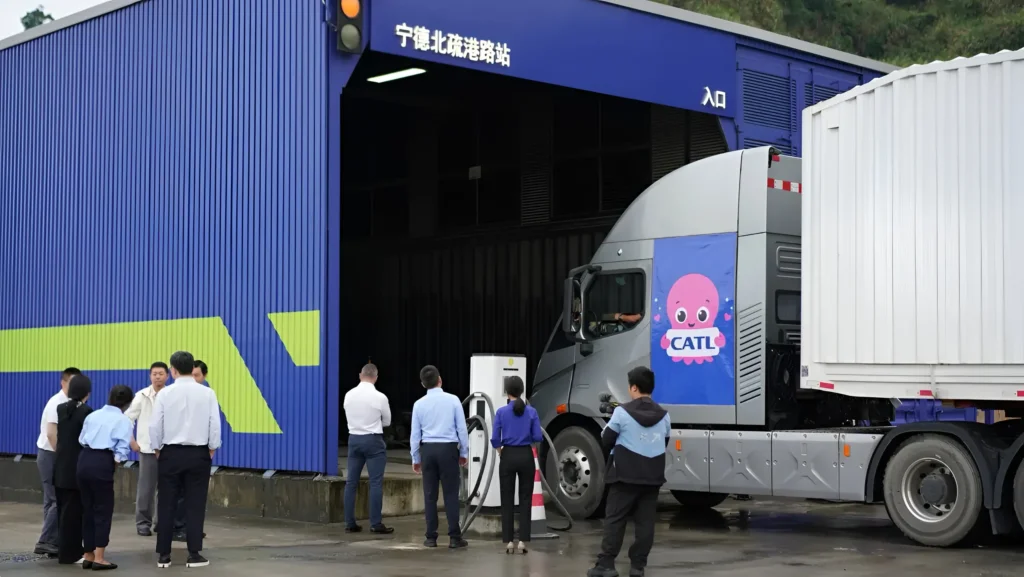
The charging side of the announcement is just as important. Scania’s Megawatt Charging System can bring a truck from 20% to 75% charge during a legally required driver break. That reframes the economics of heavier electric transport: instead of fitting the biggest battery possible, operators may be better served by a smaller pack and fast en-route charging on routes where MCS infrastructure exists.
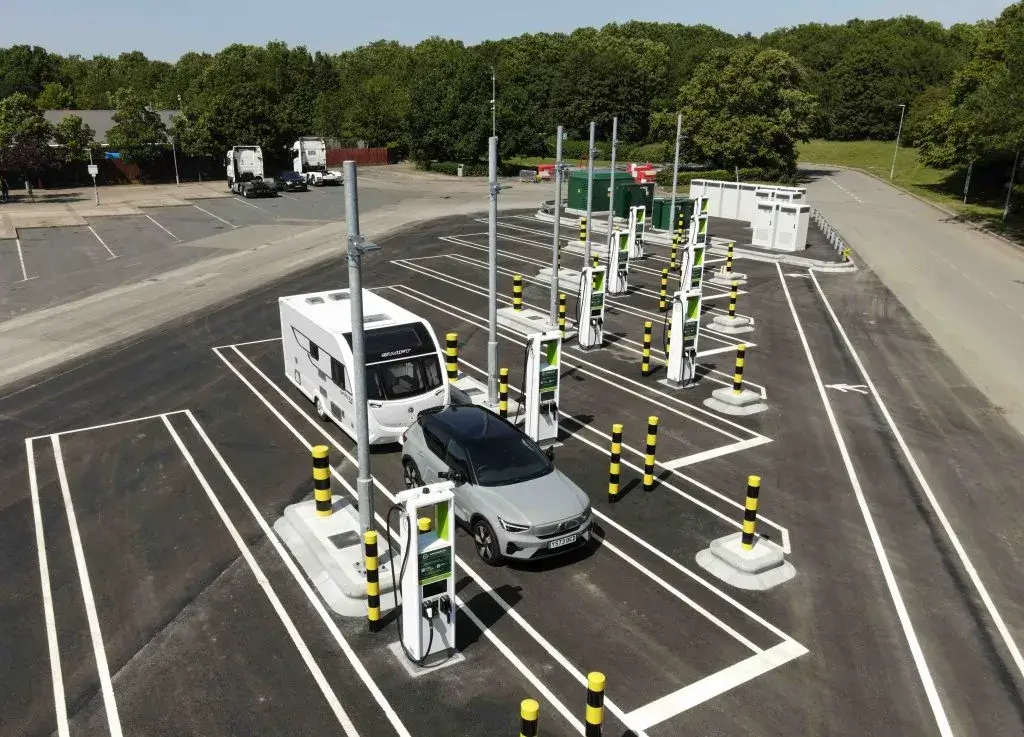
That infrastructure is still the catch. MCS is beginning to move from pilot projects into commercial reality, but coverage remains limited. Most heavy-duty electric trucks today charge via CCS2 at up to 350–400 kW — suitable for depot and destination charging, but slower for top-ups mid-route. Scania says it will support access through its Erinion and Scania Charging Access networks, but operators will still need to map their routes carefully before committing.